The Wild Side of the Great Wall: A Traveler's Gubeikou Great Wall Guide
How to get there, best places to see, & more

The Wild Side of the Great Wall: A Traveler's Gubeikou Guide
How to get there, best places to see, & more

By Raphael M., a travel photographer and writer based out of New York City
Last Updated on May 24th, 2026
I have always wanted to camp on the Great Wall, as the thought of spending the night on a piece of ancient history seemed like a once in a lifetime experience. This brought me to the Gubeikou, an unrestored section of the Great Wall.
I luckily found a booking agency, Great Wall Adventure Club, that offered a camping service on the Wall in Gubeikou, a wild, unrestored section about 3 hours northeast of Beijing. I sent them an email for the following weekend, and, because it wasn't a particularly attractive time to go (I'll expand a bit more later), they had availability. The cost was $208 USD, so definitely not the cheapest, but for an experience that doesn't have any competition, is a fair price. It included the train tickets to and from Gubeikou, drive from the train station to the trail, two hot full meals, a guide that walks the trail with you, and camping supplies that are meant for summer-camping (be sure to bring extra if its the winter months). They have different plans depending on what length of trip, places you want to visit, or physical ability level. You can choose the morning or afternoon plan, but I would pick the morning to give yourself more time to hike. To see the different plans, visit this link. To book, just email Greatwalladventure@gmail.com, and they'll arrange all your accommodations.
I spent the next few days preparing for the journey. I purchased some extra clothes, heat pads, some food, and a headlamp. If you are going to do anything like this, I recommend buying all the necessary supplies in advance, especially if you are going without a guide. Once you get to Gubeikou, there are no stores to buy anything, so it's definitely better to over-prepare than be shorthanded.
There is a local train running from Beijing North Railway Station to Gubeikou every morning at around 6:30-7:00am. My guide purchased my ticket for me, but it costs around 21 yuan (3usd). The train isn't high-speed rail, so it takes about 3 hours to get to the final station.
The train ride was beautifully scenic. I saw the sunrise through the hazy Beijing skyline, illuminating the city with a bright red haze. For the last 45 minutes of the train, you can actually see the Great Wall, scattered across the tops of these large mountains.
Once you get to the Gubeikou Train Station, the Great Wall is right behind the station. The train station itself has one small terminal, and only gets 2 trains a day. My guide met me right outside the gate of the station, holding up a picture of my WeChat profile. To return back to Beijing, you'll take the same train for your return journey.
As we walked along the Wall my guide would tell me small details about the Wall: how bricks were transported, drainage holes created, and attack strategies utilized. It was here I really grasped the gravitas of this Wall, and its status as one of man's greatest creations. Only until you struggle to walk up the Wall can you understand the pain of those who laid those very bricks.
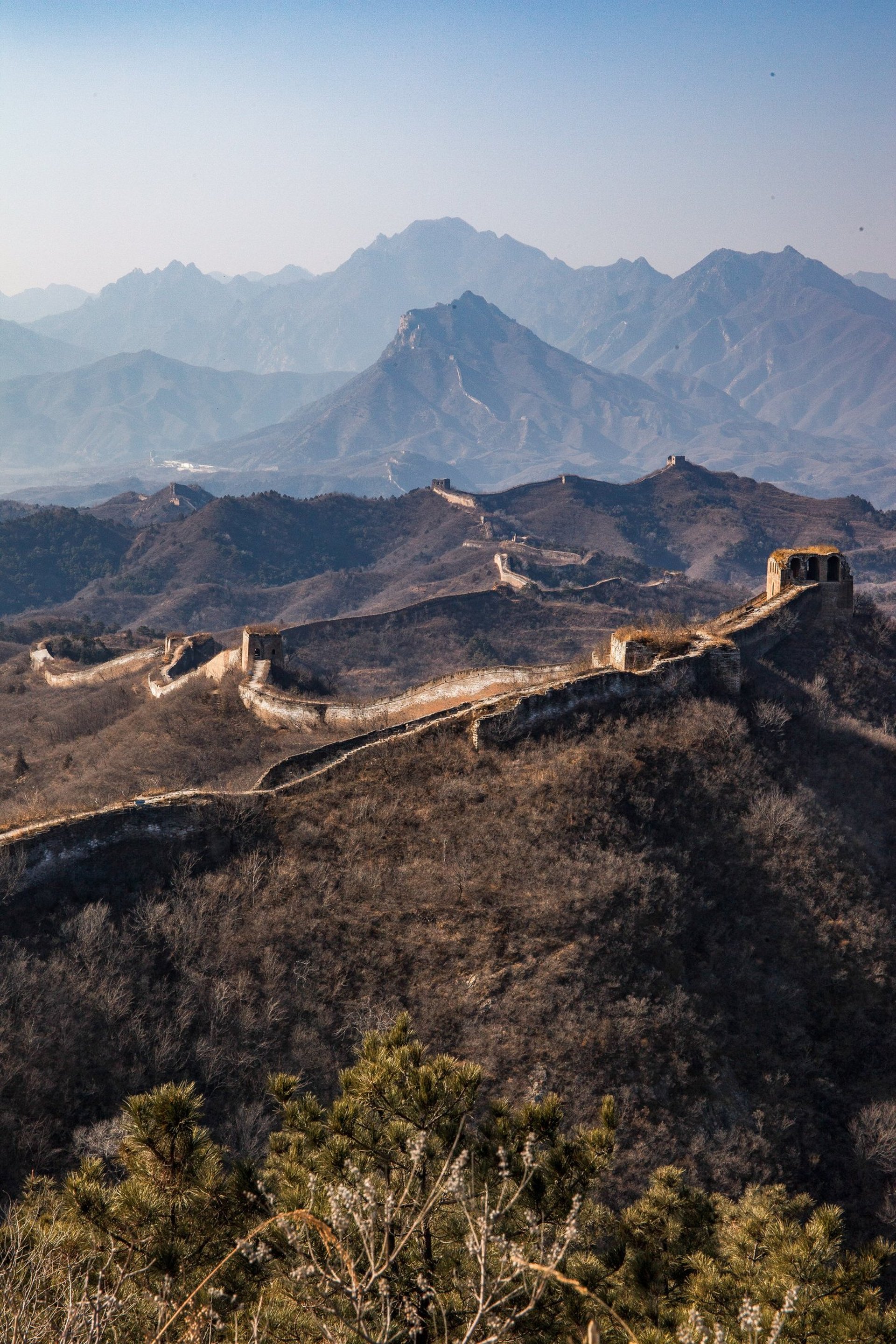
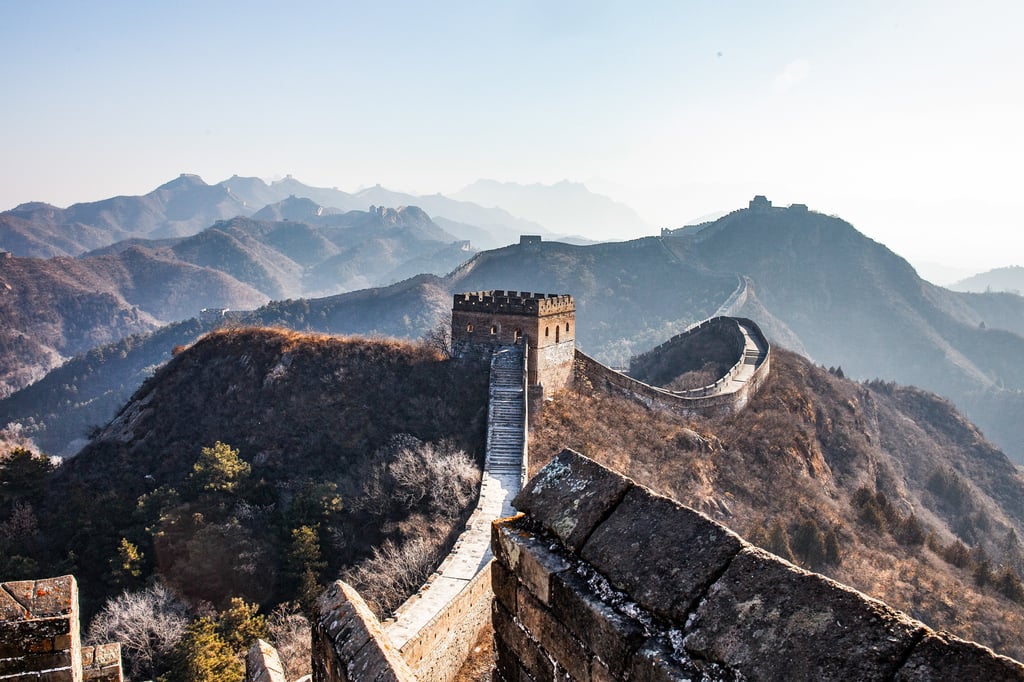
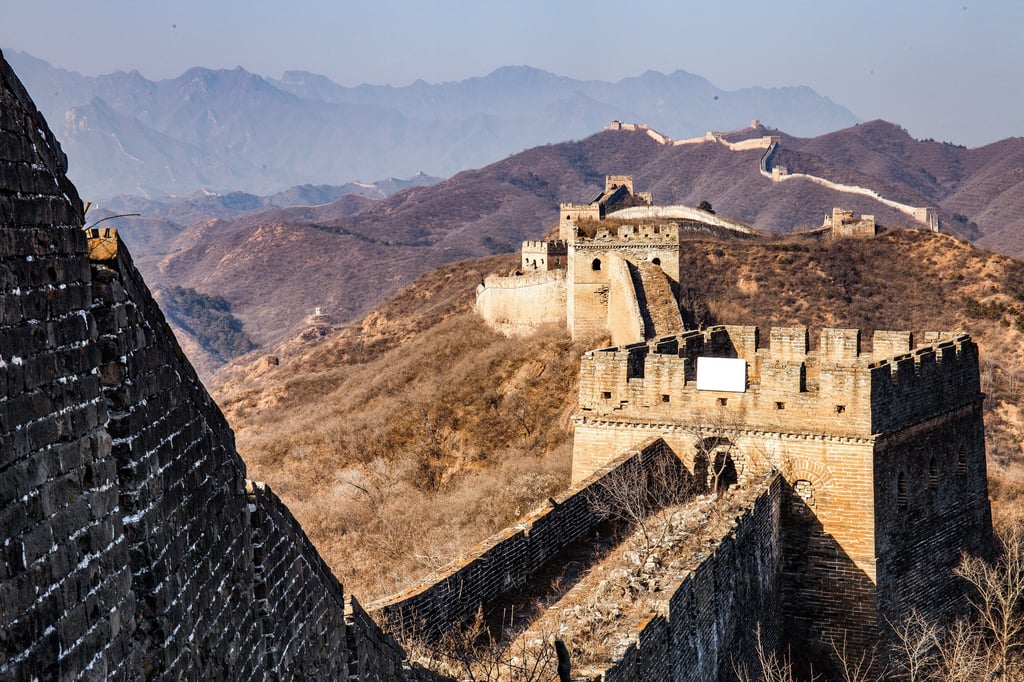
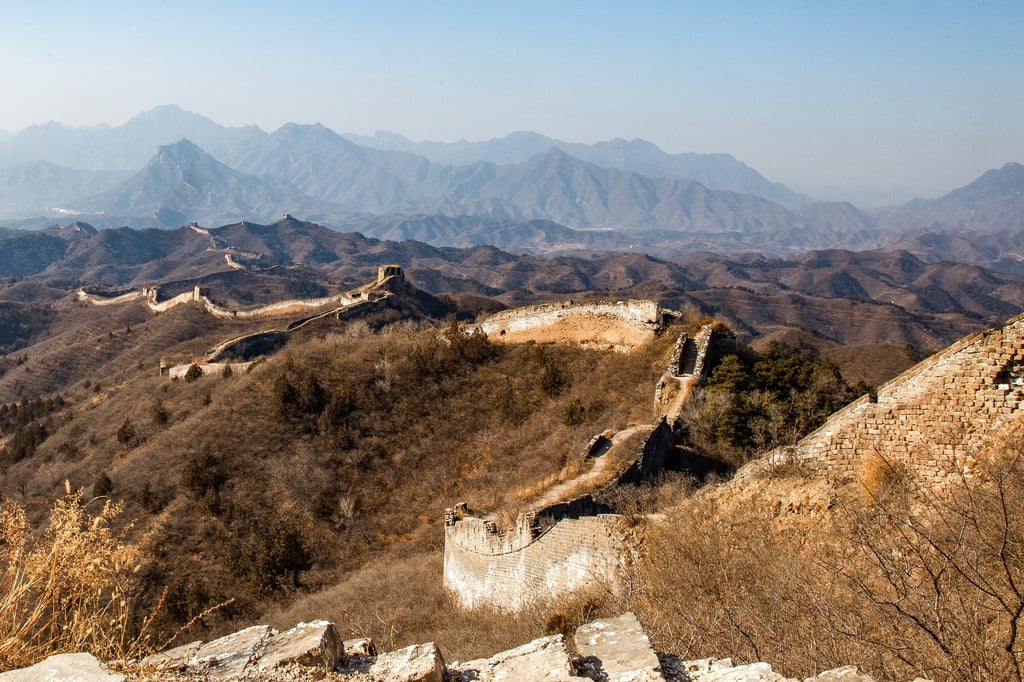
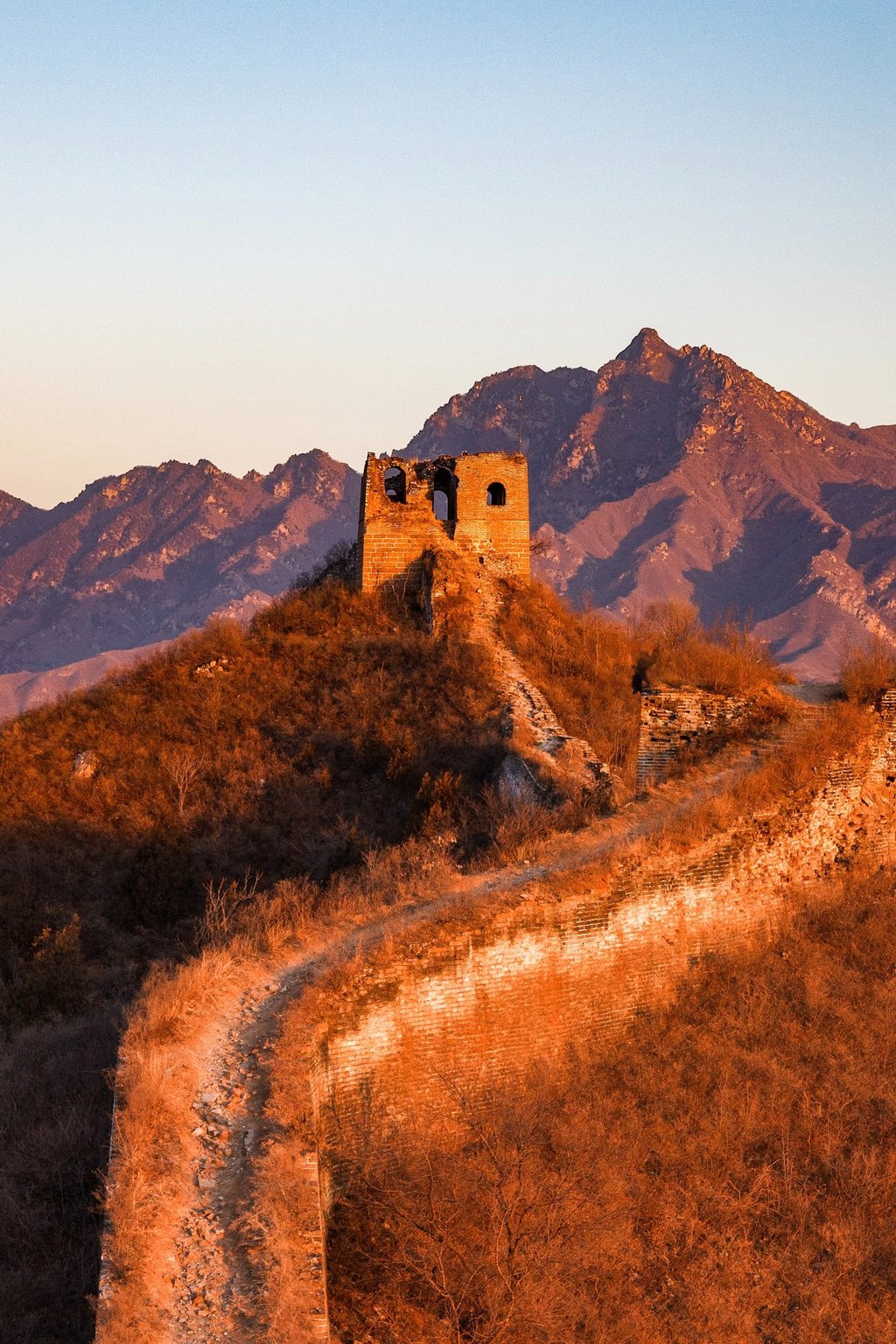
We were going to walk westward on the Wall, making our way from Jinshanling to Gubeikou. The first outlook on the Wall was indescribable. It felt AI generated, almost as if my eyes were playing tricks on me. The vastness is something you can't capture on camera, the sheer amount of landscape within one frame.
It was about 8 miles from Jinshanling to Gubeikou, and included parts where we descended from the Wall and walked alongside it. Sections were closed with barbed wires with signs saying 'Militarization Zone,' and 'Do Not Enter.' Some of dirt paths alongside the Wall were incredibly steep, sections where if the conditions were slightly different, could've been really dangerous.
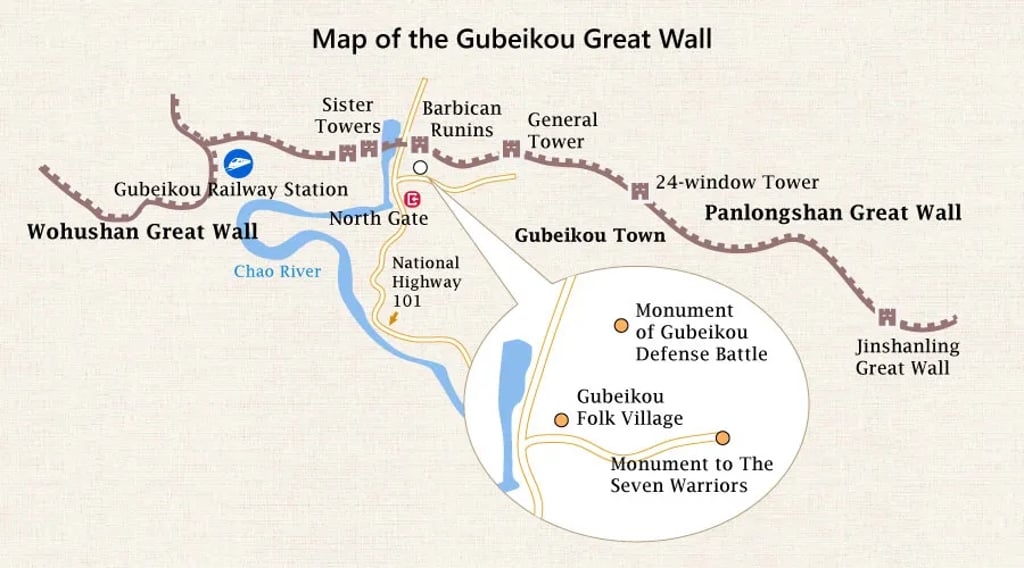
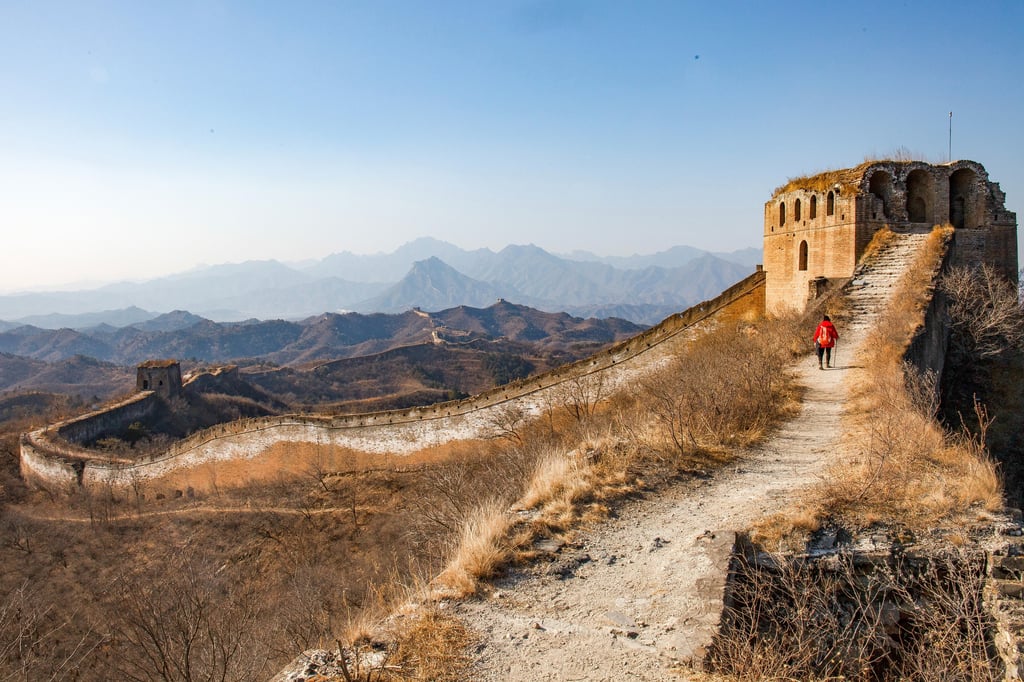
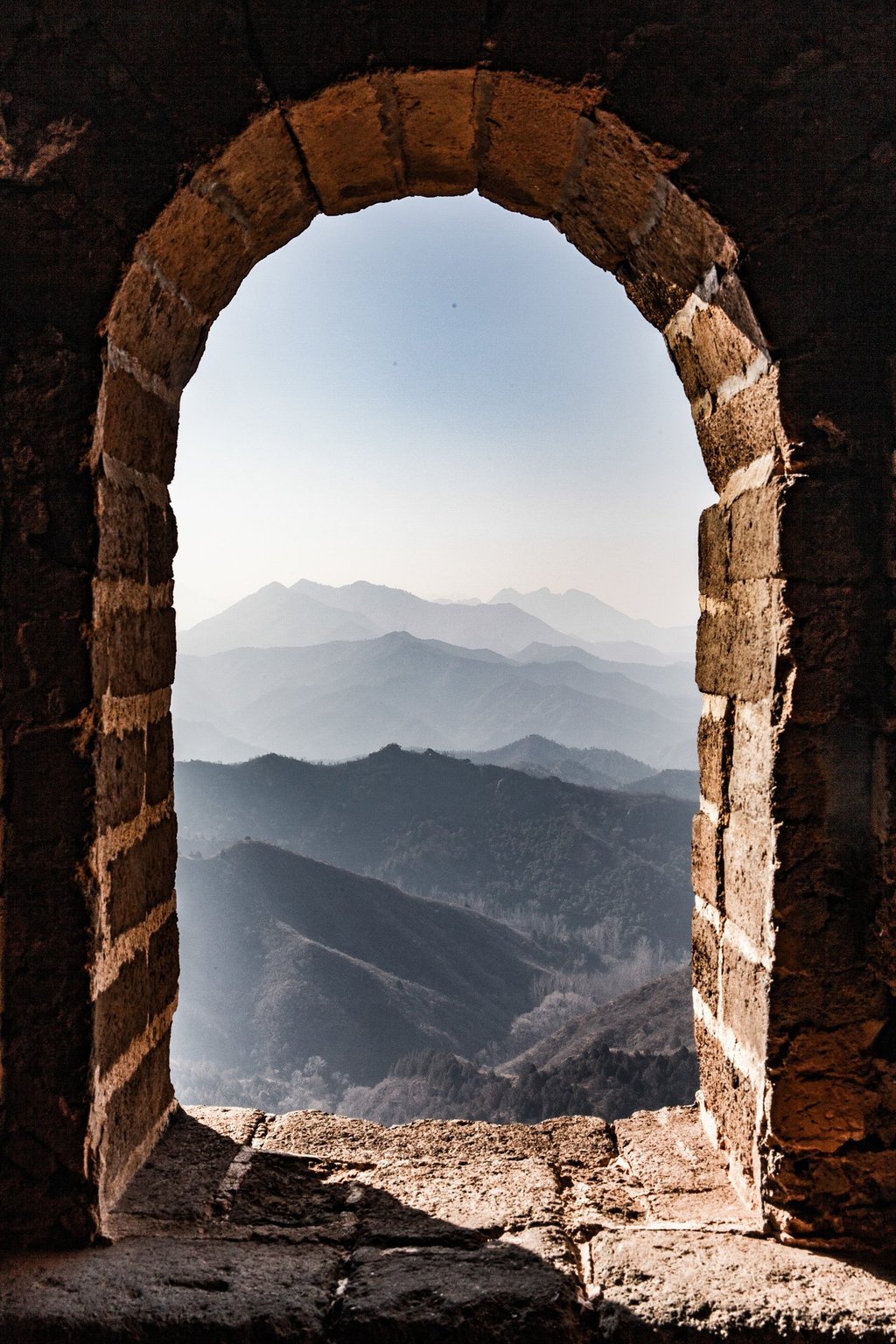
We passed by several notable watchtowers, like the 24 Eye-Watchtower, which, once a three story tower, now had only two standing facades; or the General Tower, which was one of the tallest in the Gubeikou section.
After about 5 hours of hiking we arrived at Gubeikou, and arrived at the watchtower I would be camping in for the night. For the safety and privacy of the area, I won't tell you the exact location.
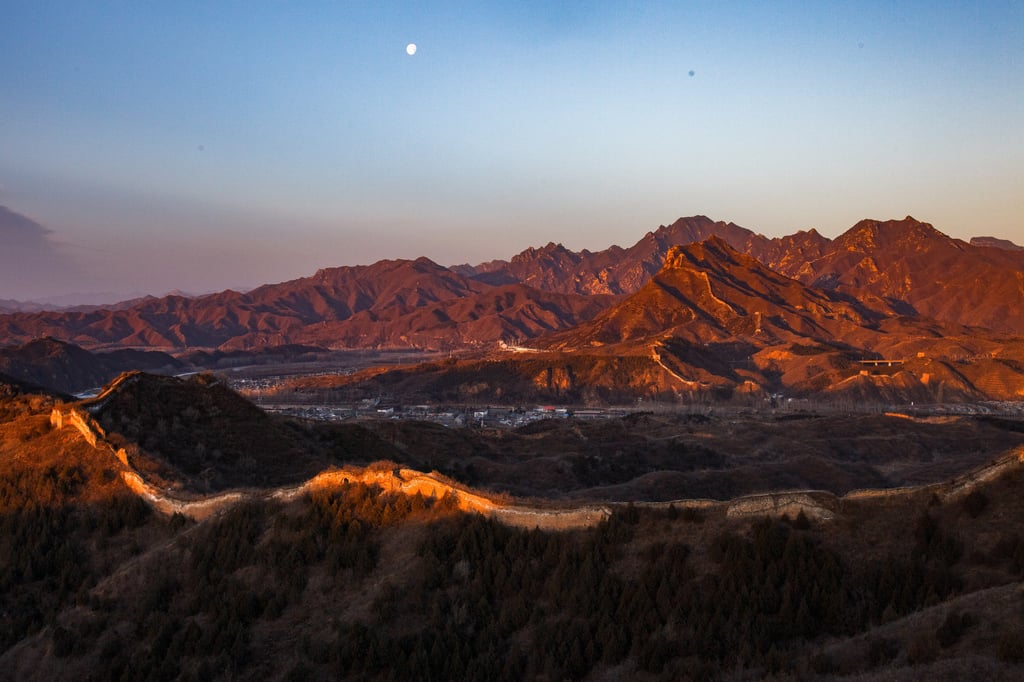
I walked about 5 watchtowers down from where I would be camping, took some photos, and enjoyed the sunset all alone on the Wall. That was probably one of the most memorable experiences of the trip, something a rare few in the world have ever experienced.
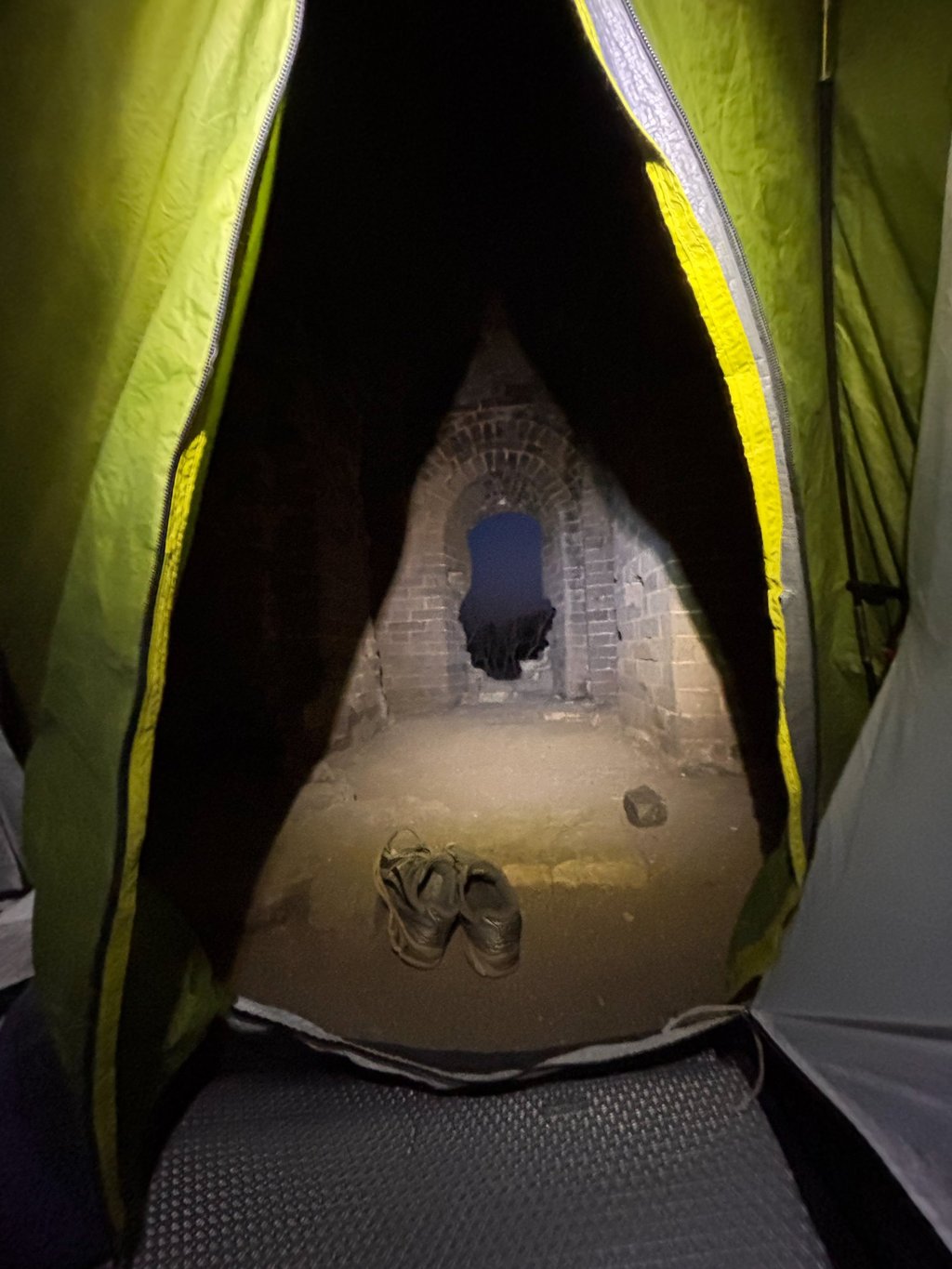
After the sunset, I walked back to my tent, all setup and ready for the night. This is where things took an interesting turn. I was visiting the Wall in the heart of winter, early January. Temperatures drop to about 15-20 degrees (-10 celsius), and the only warmth the guide provided were some light summer sleeping bags, and cheap rollout floormats. Fortunately, I anticipated this, as I was sure they weren't prepared for someone as stupid as me to camp on the Great Wall during the peak of winter. I brought several layers and heat pads, alongside my own headlamp to light up the pitch-black tent. Make sure to prepare for the conditions you are going to face; if there's even the slightest chance of a cold-freeze, buy extra clothes. A windbreaker is also great to have, as the ridge of the Wall can get quite windy.
I slept pretty well, only waking up a few times in the night to cold feet. It was a bit daunting to be on the Wall alone at night, but it quickly turned into peace, as I realized I was the only one sleeping on the Wall that night (or at least I'm pretty sure).
Getting to the Wall:
The Night:
The tour I booked started at Jinshanling, which is another famous, but farther out section of the Wall. It is known as one of the most beautiful sections, due to its high concentration of watchtowers and staggered mountain ridges. When I arrived, there were no other tourists; this was the absolute dream. It was about a 15 minute walk to the Wall itself, where there was no one besides me and my guide.
My guide told me she would set up my tent, even after I offered to set it up myself. It was traditionally a two person experience, so there were two sleeping bags, two sleeping pads, and a small flashlight. Luckily I came prepared, especially with the conditions that I would be facing.
I woke up around 6:30am, about an hour before sunrise. The guide said to pack up the tent well before sunrise, mainly to avoid potential issues, although she said it wasn't illegal. I think it's more of a grey area, where it isn't explicitly allowed, yet tolerated if there aren't any issues that arise. To avoid issues, I would follow this rule and make sure you aren't causing a disturbance to the local populace, and bring all your trash out with you. The best way to avoid trouble is to be gone before they can cite you for it. Be respectful to the historic site, as even leaving footsteps have major consequences to the Wall. I packed up the tent in advance and started to hike back towards the General Tower.
After about 20 minutes, I arrived at the General Tower. Funnily enough, there was another person at the tower, a man named Chen who was also there to see the sunrise. We had a great conversation about photography, how we got there, and where we were from.
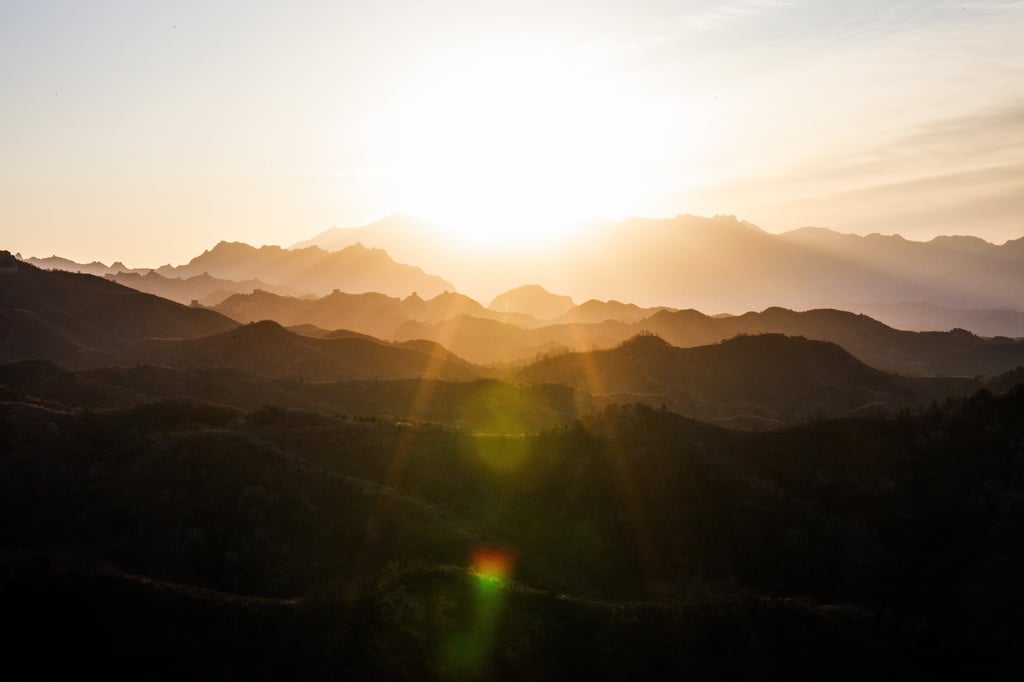
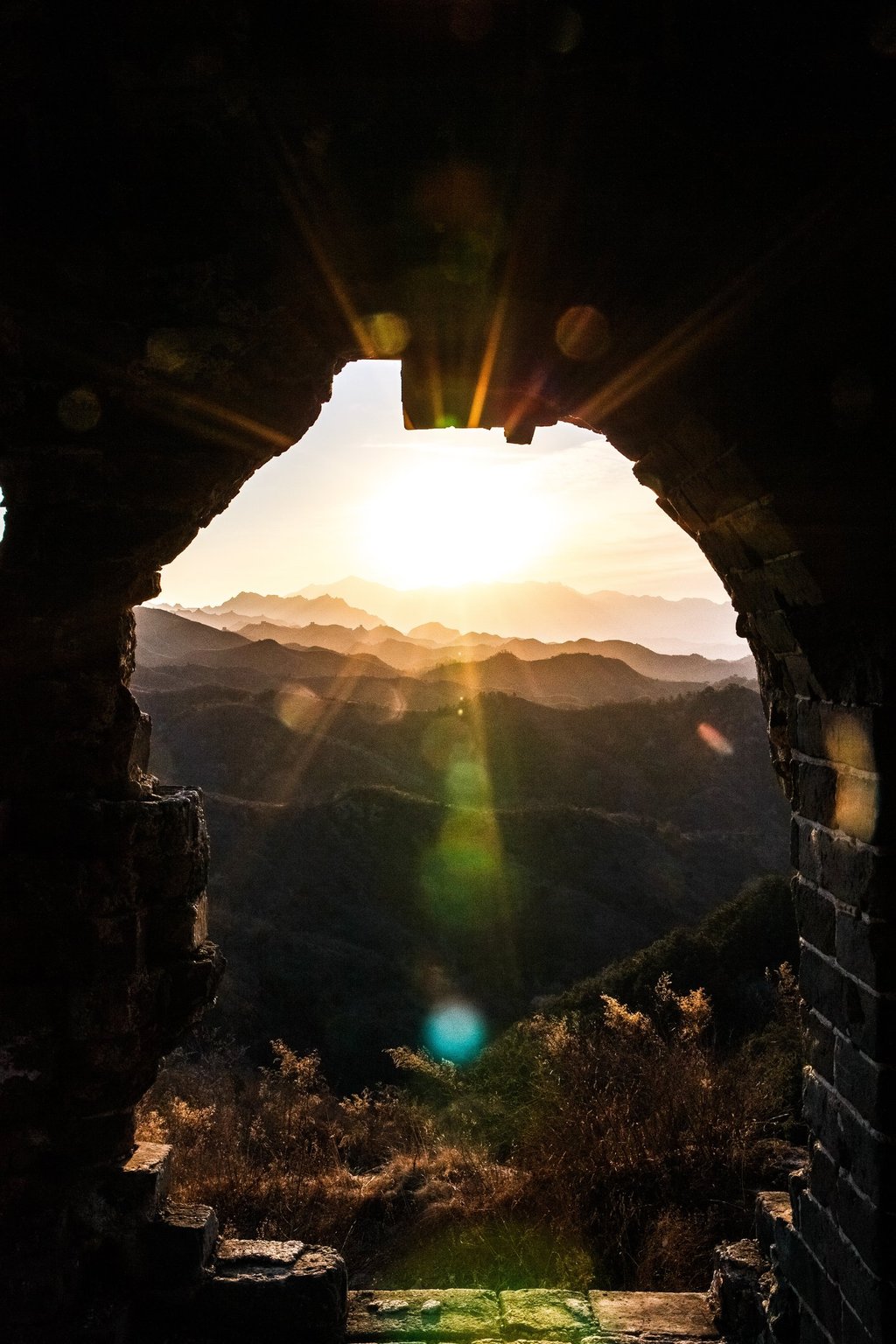
This was one of the greatest sunrises I've ever witnessed. Alongside it's sheer beauty, the fact that I had camped on the Wall, survived the bitter cold, and was now standing at the top of a crumbling watchtower made it a truly once in a lifetime experience. I don't think I could have asked for anything more.
I would strongly recommend visiting Gubeikou over other sections of the Wall. Despite it being more 'remote,' the commute time isn't much longer than other more popular parts such as Badaling or Mutianyu, and the experience is much more enjoyable and scenic. You also definitely do not need to camp nor book a dedicated guide, it is definitely possible to do independently - I booked the guide mainly for reassurance and security as a solo traveler.
After about 30 minutes, I said my goodbyes to Chen and made my way back down the Wall, where I needed to catch my train back to Beijing. After a incredibly warming breakfast, my guide drove me back to the train station, we shared a hug, and I left Gubeikou.
The Descent:
The Route:
The Morning:
Final Thoughts:
This was the highlight of my trip, a moment that I'm not sure many will ever experience, or will have the chance to experience. If you ever find yourself able to do this trip, DO IT. While the logistics may be more difficult compared to other routes, this is one that will not disappoint. If you have already completed this section, I would recommend tackling Jiankou, which has even steeper ridgelines and dramatic landscapes. That's the next one on the bucketlist.
History of the Gubeikou Section:
Although I chose this section because of its remote location, the Gubeikou Great Wall was the center of over 130 wars across multiple dynasties. The most recent utilization of the Wall was 1933, against the Japanese. Its history dates back over 2500 years ago, and hasn't been extensively repaired or restored since 1567. This is one of the most authentic, historic, and scenic parts of the Great Wall.