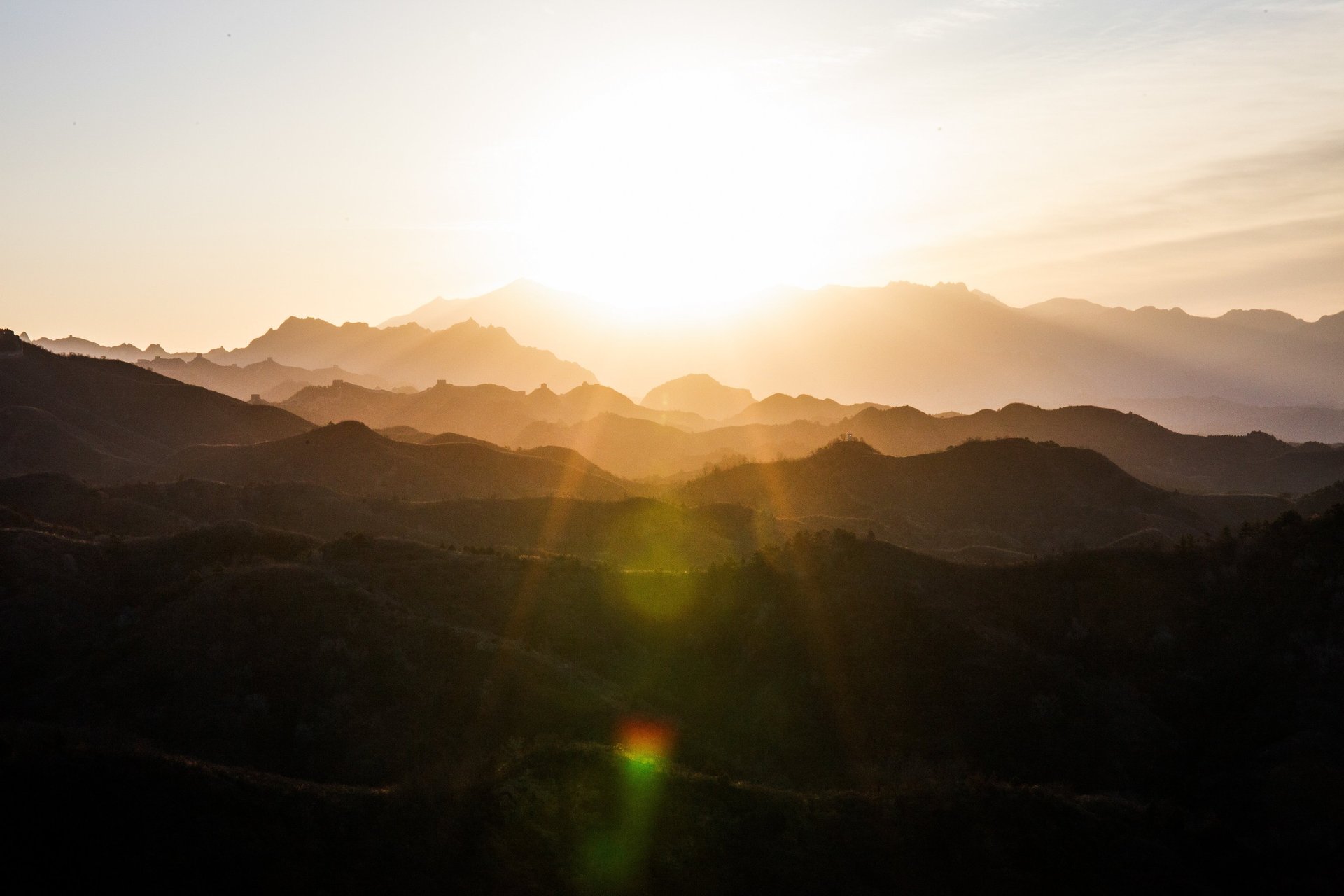
The Nation's Capital: A Traveler's Beijing Guide
How to get there, best places to see, & more

The Nation's Capital: A Traveler's Beijing Guide
How to get there, best places to see, & more


By Raphael M., a travel photographer and writer based out of New York City
Last Updated on May 24th, 2026
The capital of China, Beijing, is a global hub of politics, culture, and history. From the Forbidden City to the Great Wall, Beijing is home to premier museums and historical sites that display the rich history of the nation.
Internationally, Beijing is extremely easy to fly into, with multiple international airports and direct flights. I flew into Beijing from Tokyo, and finding direct flights was no problem. If you are already within China, the country's vast high-speed rail system can get you to Beijing in a matter of hours, so accessing the nation's capital is extremely convenient.
Beijing is a massive city, one that can be difficult to traverse and understand. The official center of Beijing is Tian'anmen Square, but this wouldn't be the area that I would stay in. I would book a hotel near Nanluoguxiang, a Hutong District northeast from the Forbidden Palace. This area is filled with restaurants, shops, and pedestrian streets, and has a more lively energy. I made the mistake of staying in the Dongsi area, where there wasn't much foot traffic, and after 9:00pm turned into a ghost town. Just remember that Beijing is huge, and that there are several districts that vastly differ from each other in what they offer.
Much like the rest of China, Beijing is an easy city to get around. With DiDi (the Chinese rideshare) and a flawless mass-transit system, there is no difficulty getting from one place to another. Just expect rush hour to be really busy, as although the mass-transit systems are well optimized, the sheer amount of people ultimately leads to some overcrowding and pushing.
Beijing is home to several national museums, such as the National Museum of China, the Museum of the Communist Party of China, National Art Museum, etc. I would choose 2-3 that truly interest you, and stick to those. You could spend weeks exploring all the different exhibitions, but I think its best to go where you like, not where other people tell you to go.
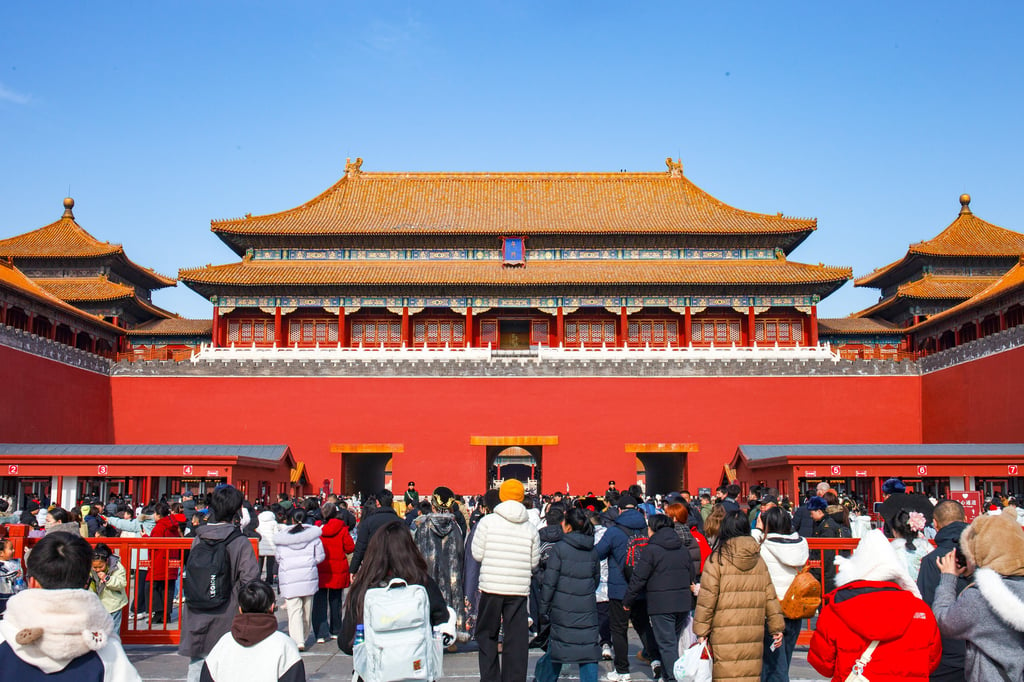
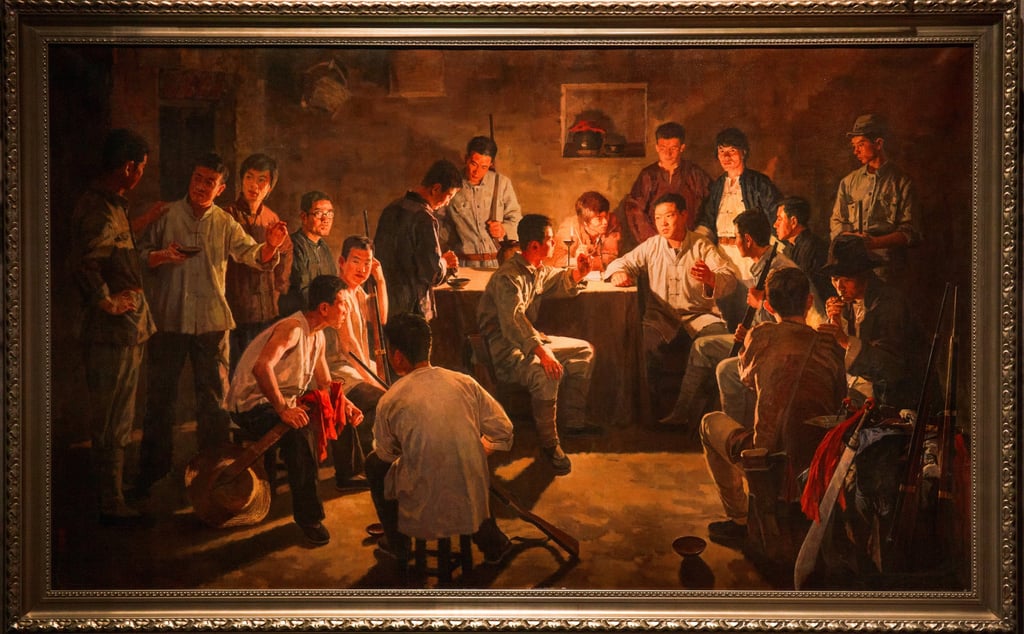
I think the Museum of the Communist Party of China was the most impactful to me. The standout trait of this museum was surprisingly its art, found through large marble statues carved at the gate, and a variety of paintings throughout the museum. Regardless of personal political ideology or belief, I think you should visit this museum. It invites visitors to read about the history of the nation, and gives you a potentially new perspective to make you own conceptions and opinions.
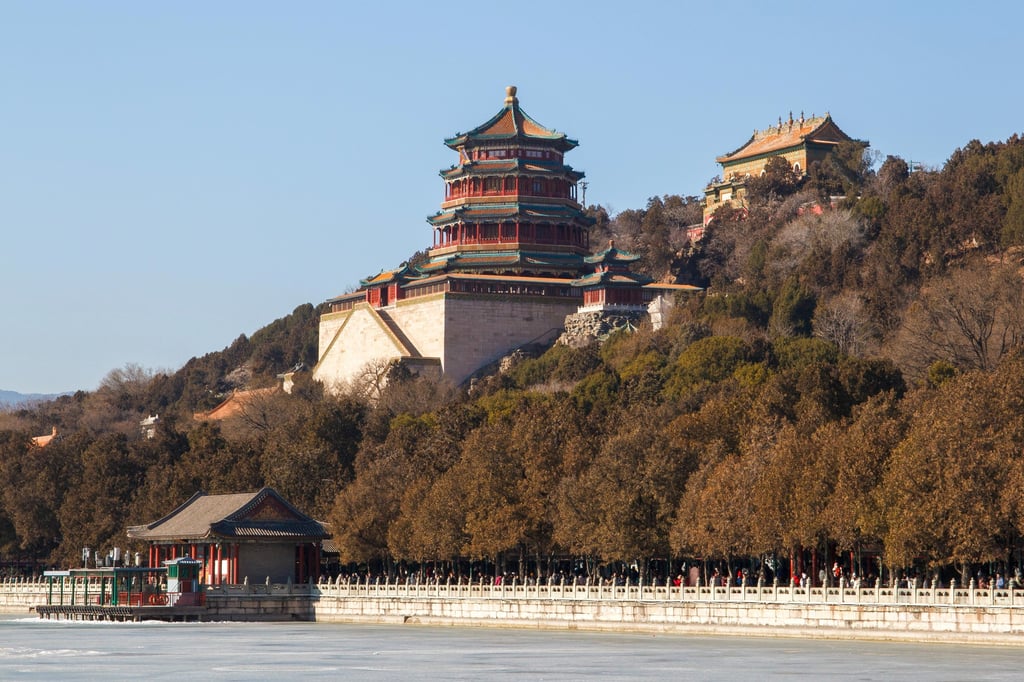
Other historical sites within the city are the Summer Palace and the Temple of Heaven. In all honesty, I would not recommend the Summer Palace. The original Summer Palace was destroyed during the Opium Wars, and the current palace is a re-construction from the early 1900's. It was immensely busy even during the wintertime, which is when I went. The Palace itself was not as grand as the Forbidden City, and the crowds are really, really difficult to withstand. I personally found it underwhelming and overstimulating, ultimately not worth it.
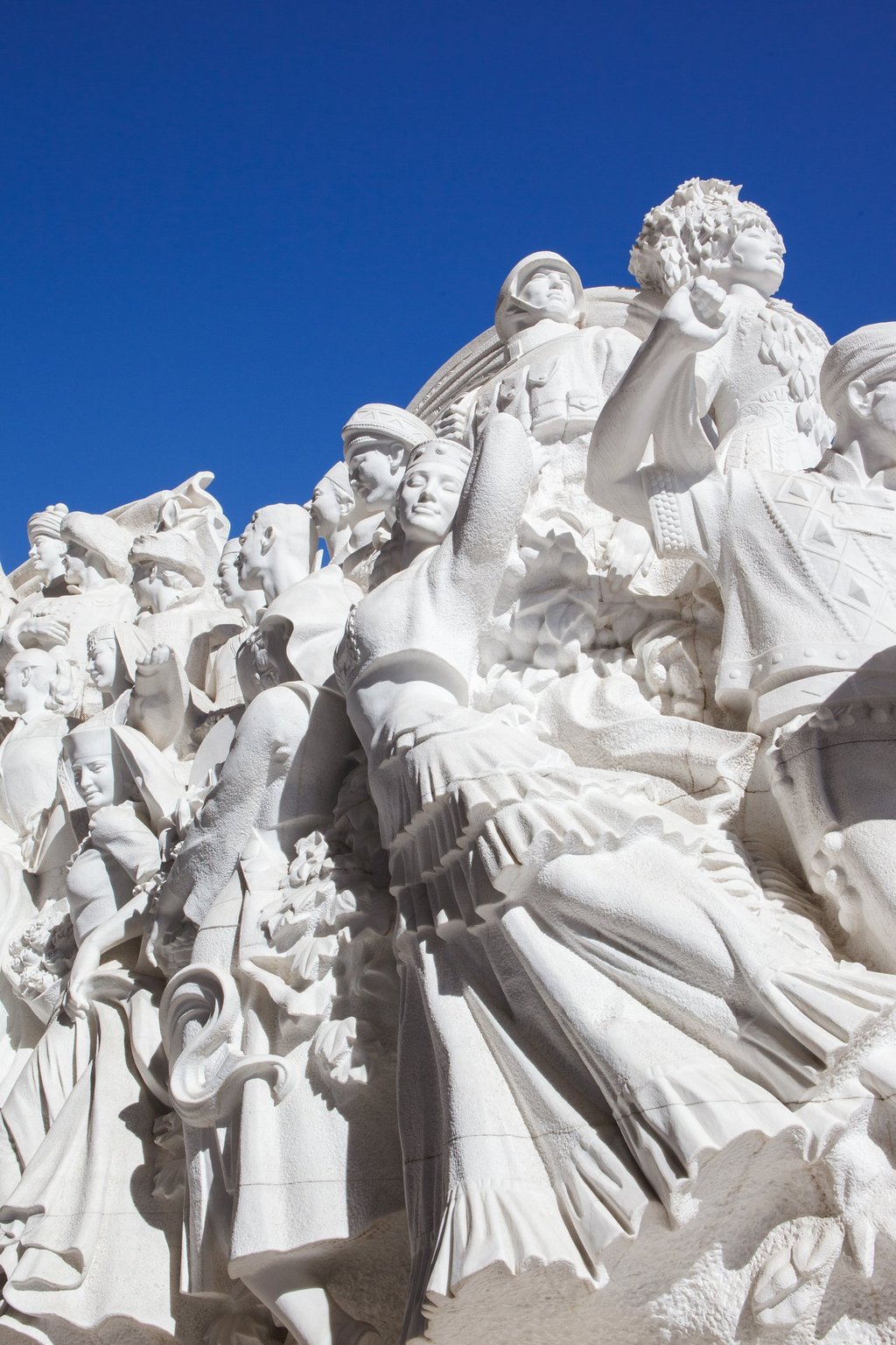
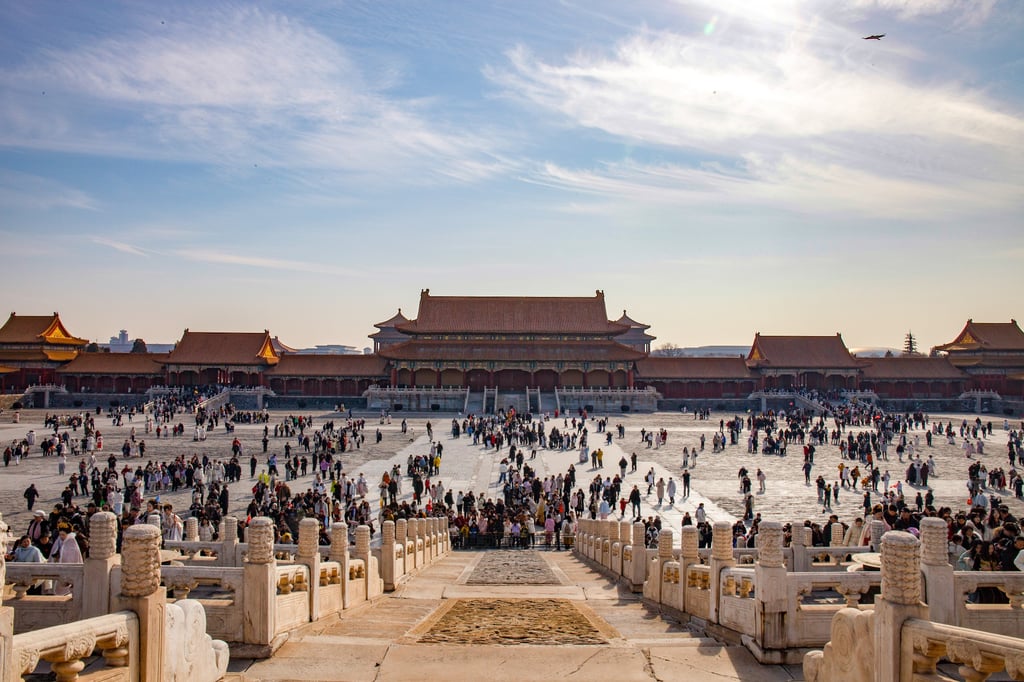
You should expect massive queues and busy walkways, but this is the one place I don't think the crowds ruin. That is more of a testament to how great the Forbidden City is, a place everyone should see once in their lives.
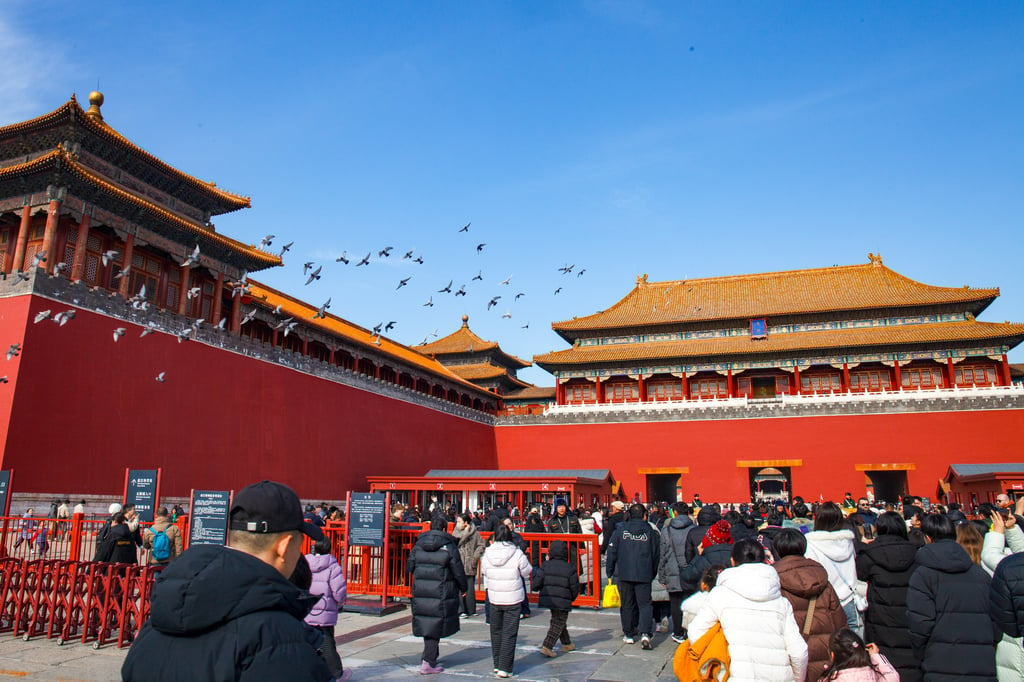
Unfortunately, I didn't get the chance to go to the Temple of Heaven. From the photos, I would definitely visit. The next time I find myself in Beijing, I'll be sure to put this at the top of the list.
Other than the Museums and historical sites, Beijing has a ton to offer. I didn't have a ton of time to explore the rest of the city, but the main places I would go are the Hutong Districts, my favorite being the Nanluoguxiang District, and the Wangfujing Pedestrian Street.
Hutongs are a type of northern Chinese architecture that consists of narrow alleyways, white and grey bricks, and black roof tiles. There are mini-cities within each Hutong District, as the creation of Hutongs occur when neighborhoods integrate with each other, slowing growing in size and density.
Another thing I loved about Beijing were the bookstores. There was a bookstore on seemingly every block, whether it be a scholarly archive or hipster coffee shop. The best bookstore was called the Wangfujing Bookstore. This bookstore is 6 stories tall, with each floor jammed-packed with traditional, modern, and western media. They had a great collection of these small, hard-cover books with English translations. I purchased a couple books to last me the end of the trip, ranging from Kafka's Metamorphosis, to Marcus Aurelius' Meditations.
Beijing's signature Peking Duck is a must-try. The best value spot I found was actually right outside the west gate of the Forbidden City, where these Chinese 'burritos' were sold with heaps of Peking Duck in each wrap. They were magnificent. I would also try stinky tofu; its not my favorite, but an interesting street food.
No visit to Beijing is complete without visiting the Great Wall, one of the seven wonders of the world. There are a multitude of sections you can visit, each varying in scenery, accessibility, activities, and crowds.
How to Get There:
Staying in Beijing:
Getting Around Beijing:
Museums and Historical Sites:
Key Spots/Things to Do and Visit:
The Great Wall:
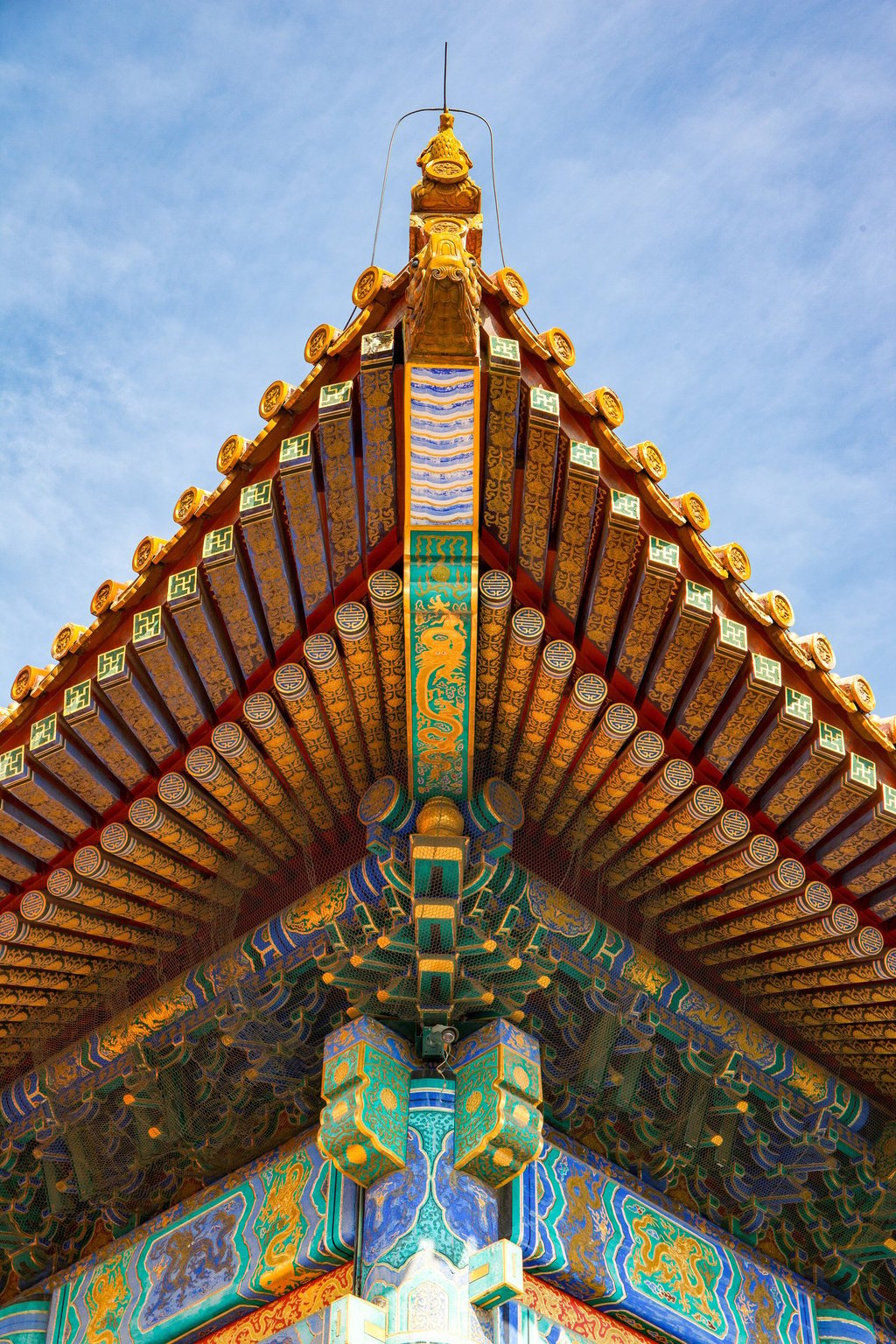
Beijing also has immense historical sites within the city, namely the Forbidden City. It is the pinnacle of Imperial China, a massive 178 acre complex that holds over 8,000 individual rooms, and served 24 Emperors. This should be classified as a Wonder of the World, as its endless alleyways and grand gates cannot be described nor visualized through photographs.
The 798 Art District, a converted factory filled with art galleries, coffee shops, and street art is another place I wished I had time to visit.
The most convenient place to see the Great Wall from Beijing is Badaling or Mutianyu, both of which are located about an hour and a half from downtown Beijing by train or car. While these are the closest and easiest to access, they are busy year-round, with thousands of visitors each day no matter the season.
A better, more cultural and authentic experience can be found in places like Jinshanling, Huangyaguan, and Huanghuacheng. These sections are a bit farther from Beijing, but what you trade for in commute is easily gained with smaller crowds, more scenic mountain ridges, and an overall better experience.
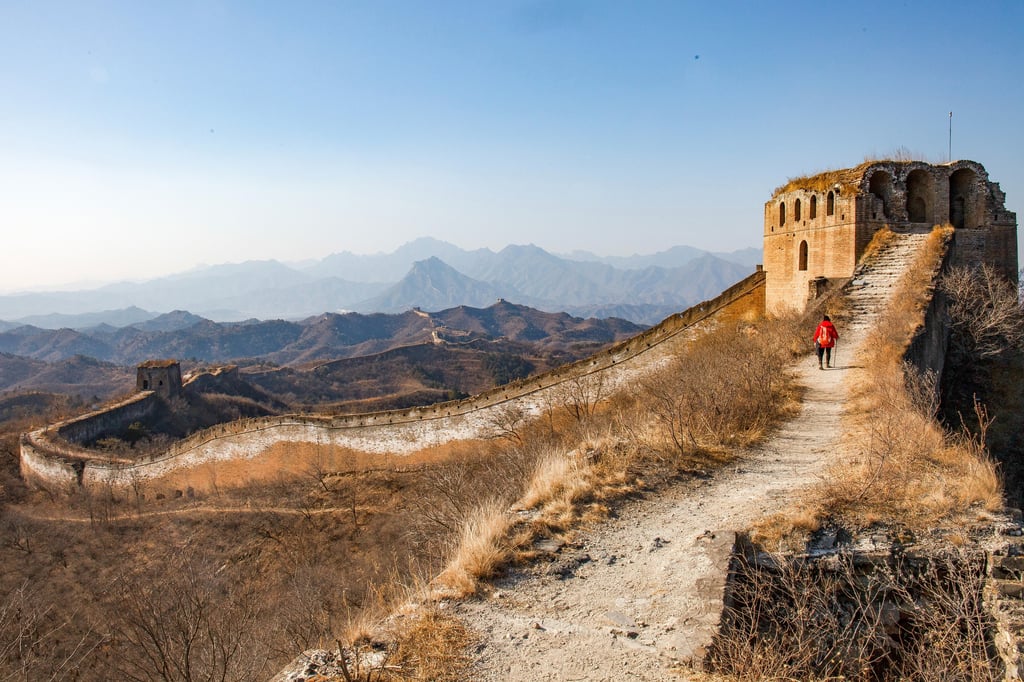
For those seeking the most authentic, beautiful, and most dangerous parts of Wall, sections like Jiankou, Simatai, and Gubeikou may suite your style. These are undeveloped, unrestored sections that are actively being reclaimed by nature. That means that parts of the Wall may be gone or destroyed, requiring higher levels of skill and risk. They are also the best for photography (which is my goal) and great for outdoors people. For me, this is the best way to view the Wall, but only if you are fit enough to complete them.
For me, I chose to visit Gubeikou this trip, which is a wild, unrestored section located about 3 hours from Beijing. I went in January, so there were no crowds, concessions, or loud speakers. It really does allow you to enjoy the raw nature of the Wall, without the typical Chinese tourist experience.
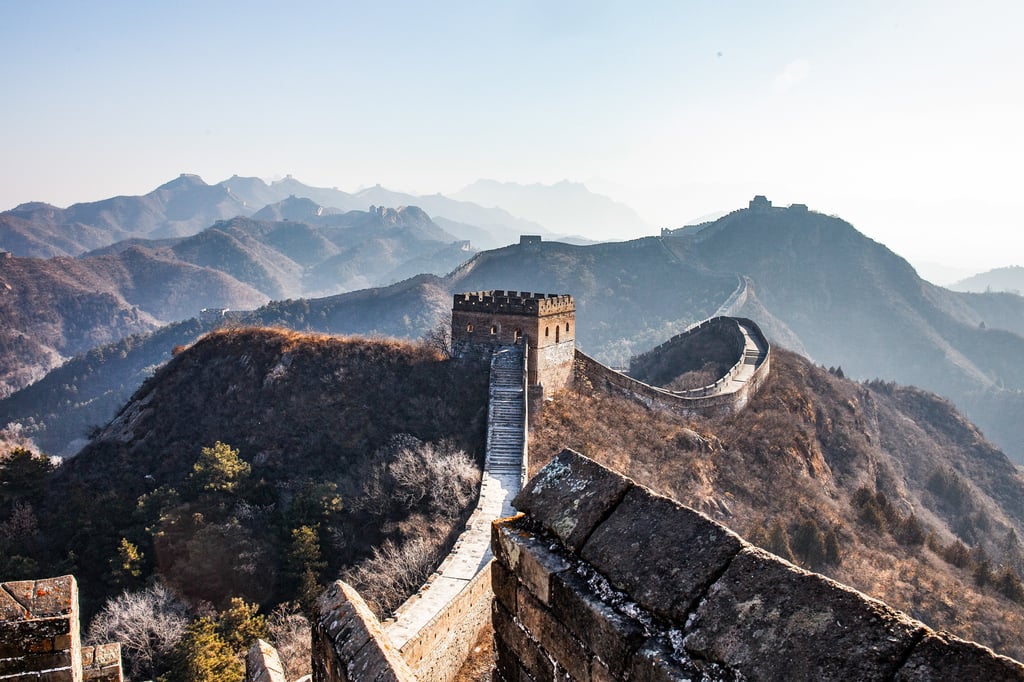
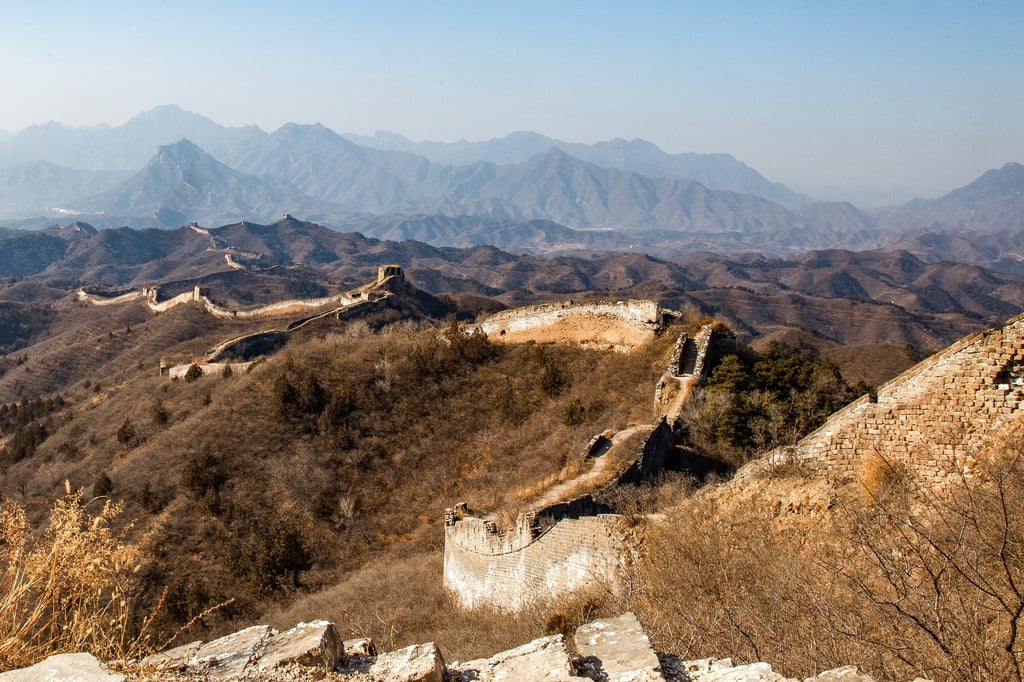
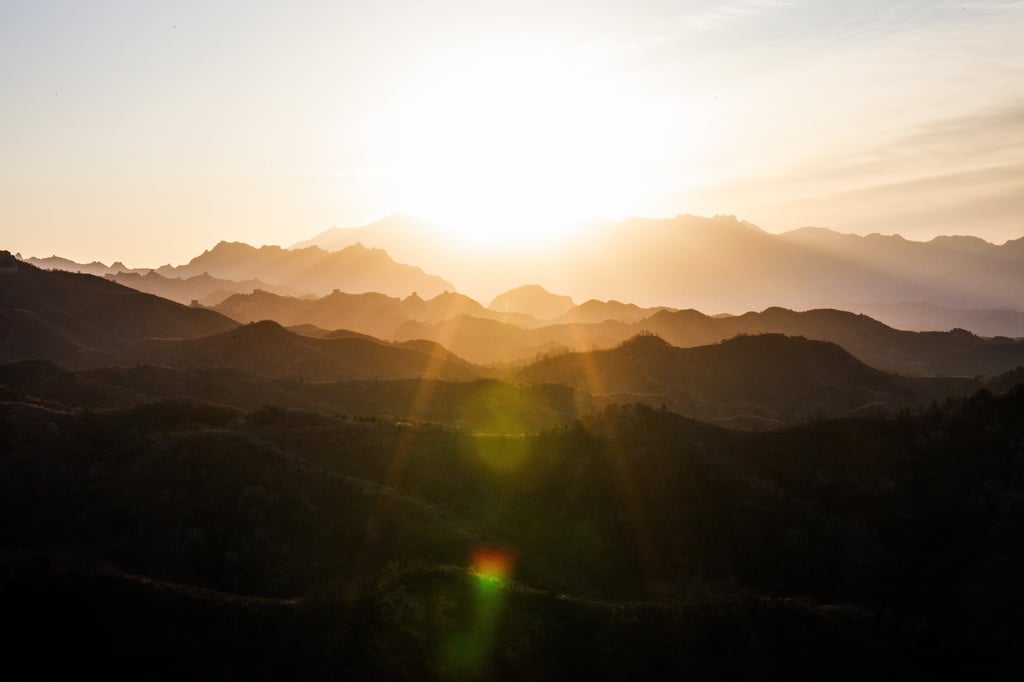
There are negatives to these options. If you are traveling with children or elderly, I would stick to the more restored, developed sections. Because they are more remote and less-visited, there is much less support in terms of travel, restaurants, and the general condition of the trails. Many parts require you to walk off the Wall and onto a dirt path, which are often time extremely steep and slippery. I would only recommend these sections if you are physically fit, and are willing to leave the safety-net found at most tourist attractions.
I wrote an entire guide on my experience at the Gubeikou Section of the Great Wall, detailing the route, accommodation, and what to expect if you decide to take a route like mine. I cannot overstate it enough; if you are able, please go to these unrestored sections. Alongside supporting more local communities, you get to see what the Wall is past all the glamour and beautification; it truly is a once in a lifetime experience. If you are interested, it's linked right below.
Final Thoughts: