The Nation's Capital: A Traveler's Tokyo Guide
How to get there, best places to see, & more

The Nation's Capital: A Traveler's Tokyo Guide
How to get there, best places to see, & more


By Raphael M., a travel photographer based out of New York City
Last Updated on July 9th, 2026
The cultural and economic hub of Japan is Tokyo, one of the densest largest major cities in the world. Home to 33 million residents, the city exudes a pace that is one of one: a true modern metropolis.
Tokyo has two major airports: Haneda and Narita. There are a multitude of direct flights from major countries, such as the US, UK, and Dubai. The more convenient airport is Haneda, as it's located about 30 minutes from the center of Tokyo, while Narita is located on the city outskirts, about an hour and a half from the city center.
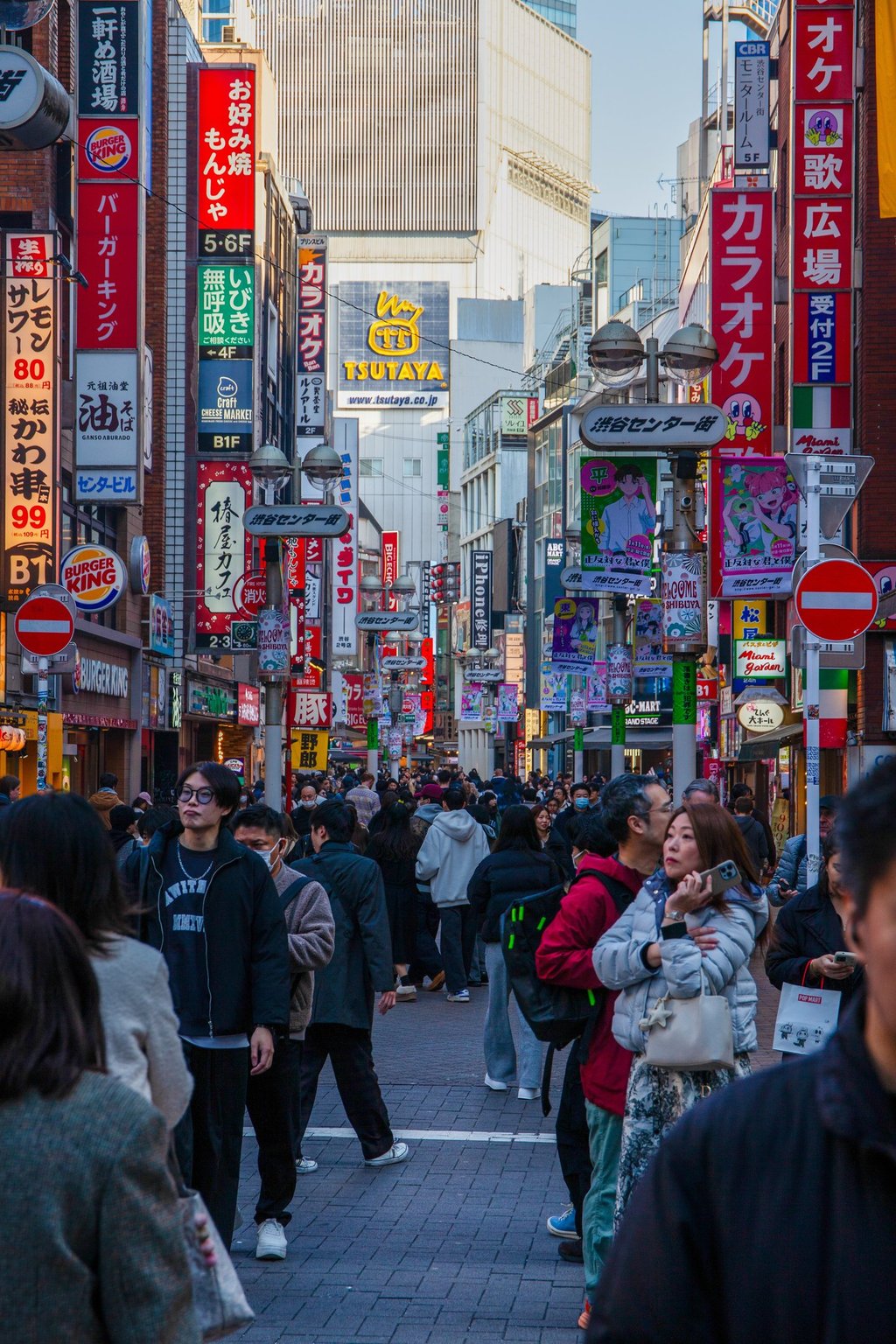
The city spans over 240 square miles, and there are plenty of different districts that offer different experiences. Asakusa is a more historic part of Tokyo, and provides a quieter environment. Shibuya, Shinjuku, and Ginza have more focus on nightlife, shopping districts, and have a livelier feeling.
Ueno and Ikebukuro are nice middlegrounds, with an abundance of night markets while also offering a quieter backstreets. Hotel rooms are smaller in nature compared to the US or other East-Asian countries due to the dense nature of Tokyo, so keep that in mind when booking accommodations.
I stayed in Shinjuku the first two times I visited Tokyo and Ueno on my most recent visit, and enjoyed the Ueno region a bit more than the busier areas. With the convenient metro system, getting around to different places is easy, so choosing a quieter place to rest lets you recover from the hectic areas of Tokyo.
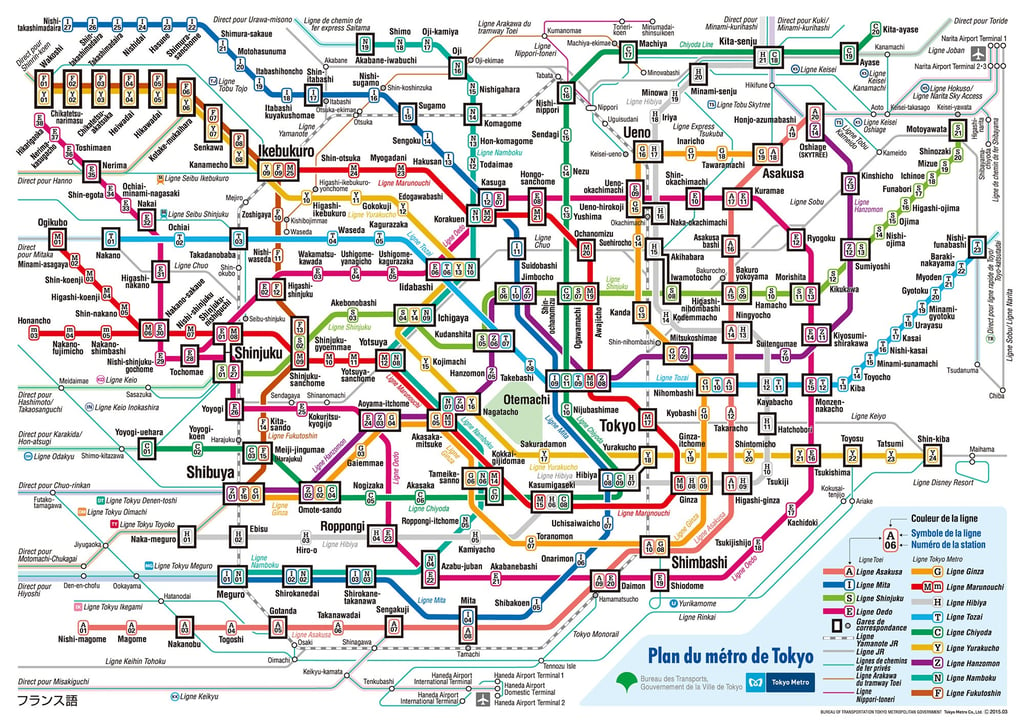
Tokyo offers one of the most expansive, connected mass transit systems in the world. Pretty much every single tourist attraction in the city can be reached by mass transit, a plus for accessibility.
Tokyo as a city has so much variety that it's difficult to have a cumulative list as to where to visit. However, there are different districts that narrow down specific areas of interest, and can be used to generalize areas you may find exciting. For shopping, I would recommend Ginza, Shinjuku, Shibuya, Harajuku, and Akihabara. For history, I would go to Asakusa, Ryoguku, and Ueno.
If you want to hit the most iconic areas of Tokyo, focus on Shibuya, Asakusa, and Shinjuku.
Whatever interests you, Tokyo is sure to have a place for you. I personally enjoyed Harajuku and Akihabara the most, as they were a bit more laid back while still having a large concentration of stores and restaurants.
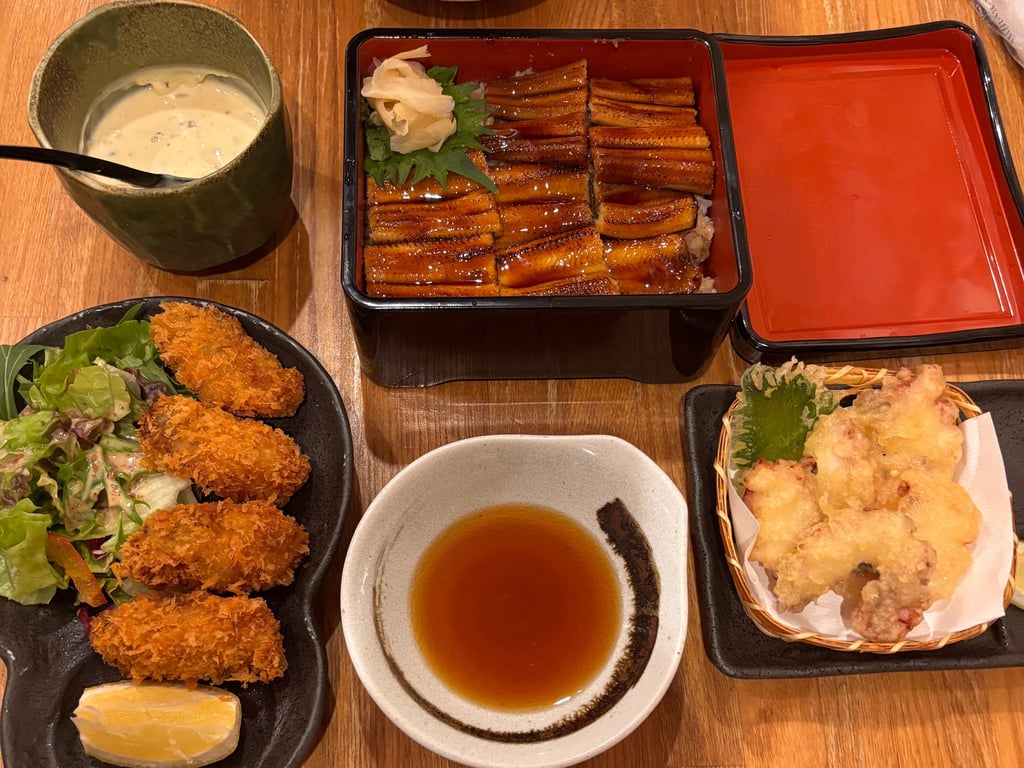
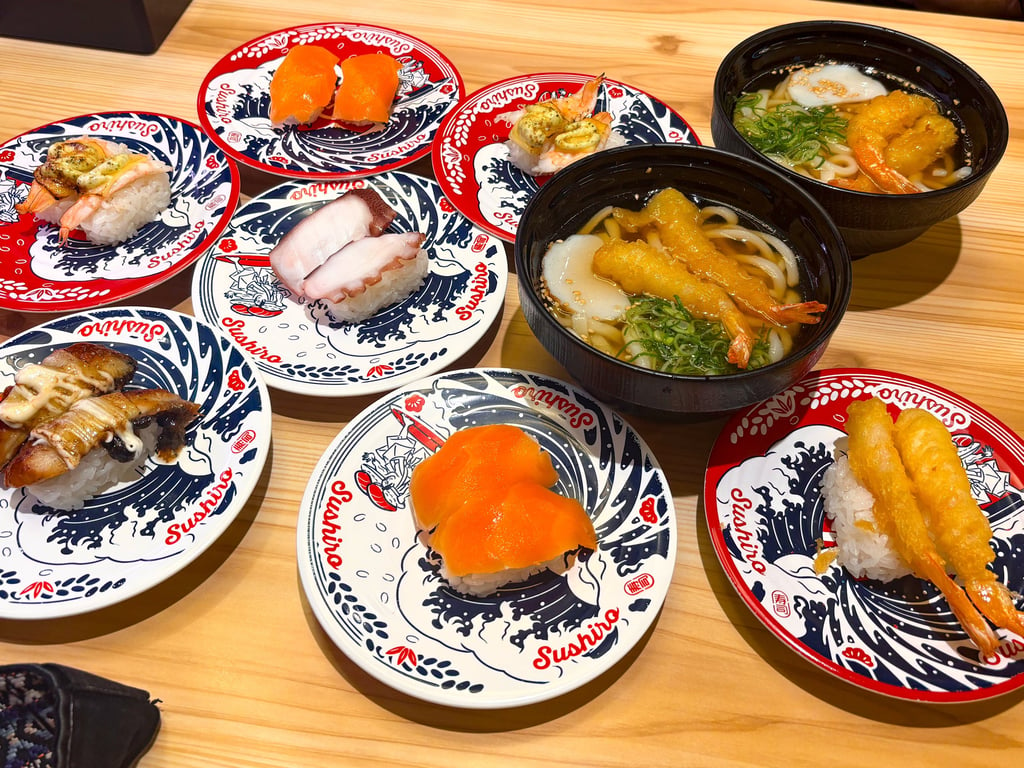
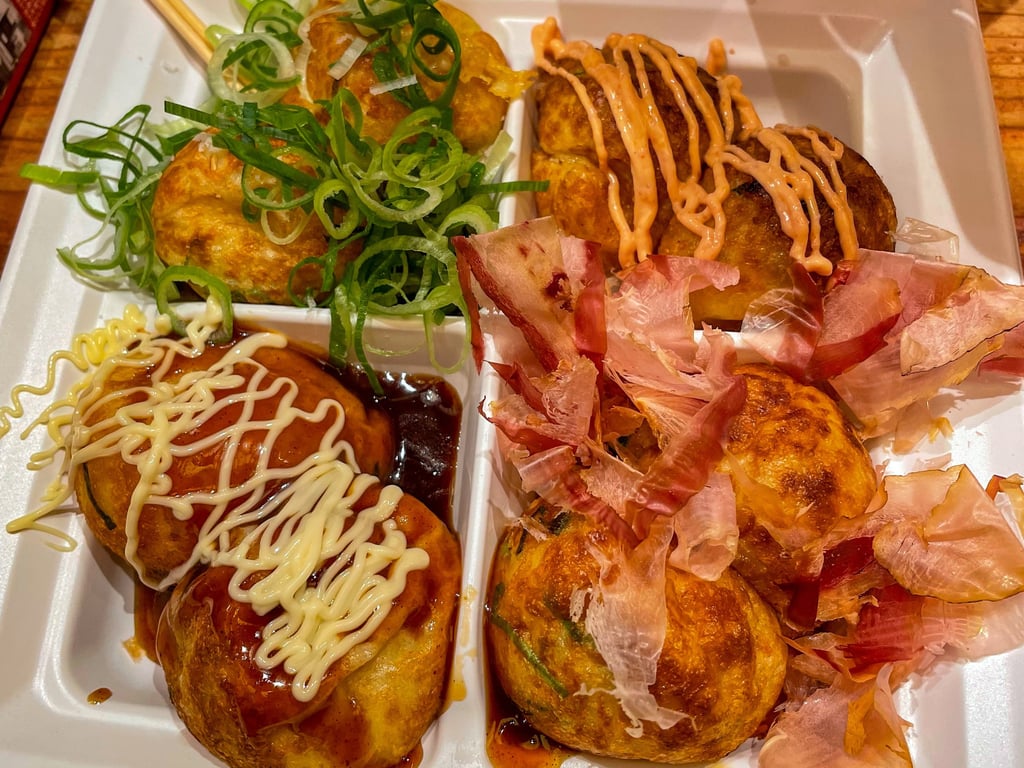
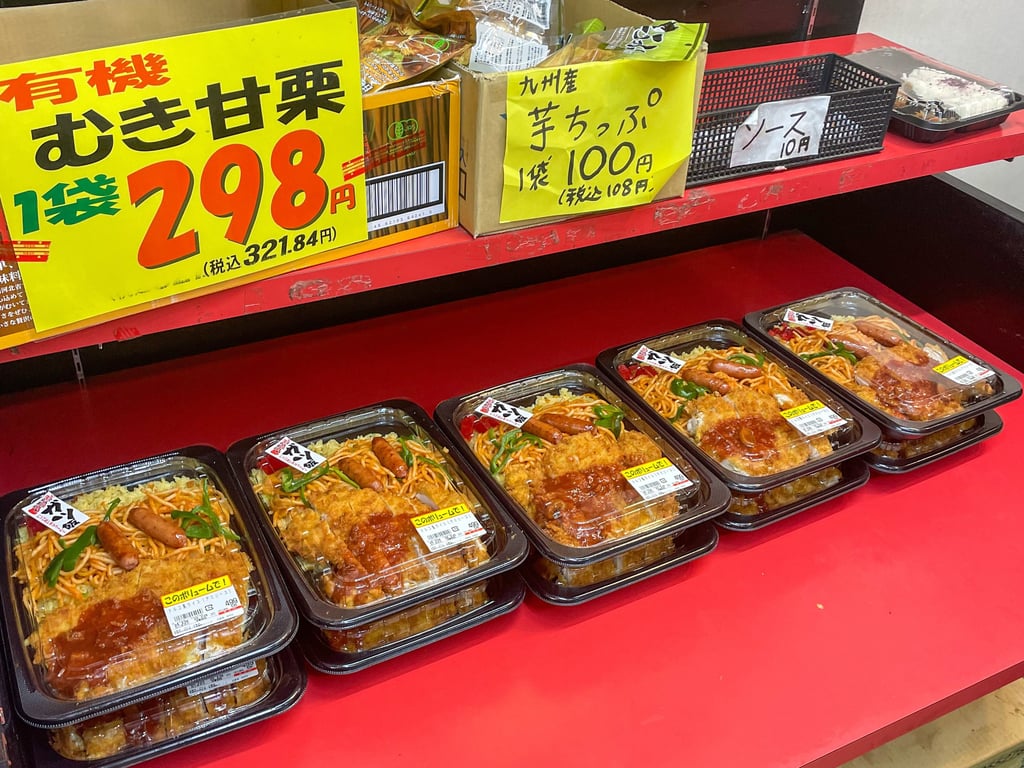
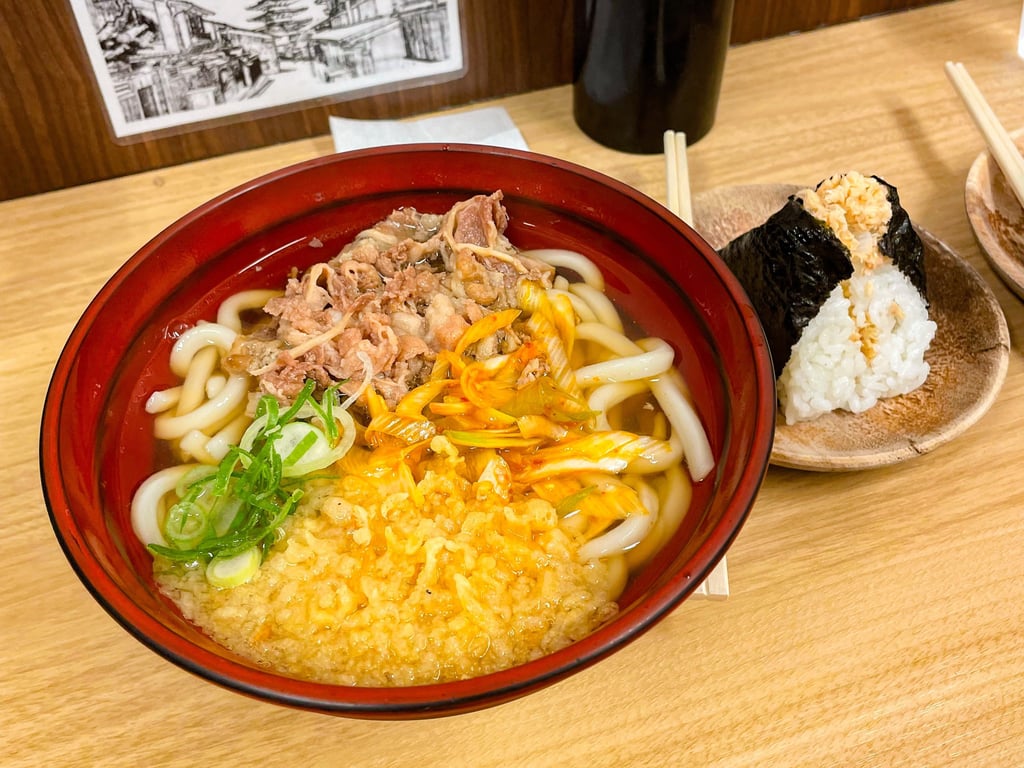
From budget options to expensive dinners, Tokyo really accommodates everyone. All across the city are chains such as Sushiro and Tasty! Quick! Value!, both of which offer great value and insane convenience. Alongside the popular chains are smaller, local restuarants that focus on different dishes, whether that be Sashimi stores in Ueno, Takoyaki stalls in Shibuya, or hole-in-the-wall ramen shops filled with Japanese salarymen.
As the capital of the nation, Tokyo is also filled with historical sites, mainly found in Asakusa, Ryoguku, and Ueno.
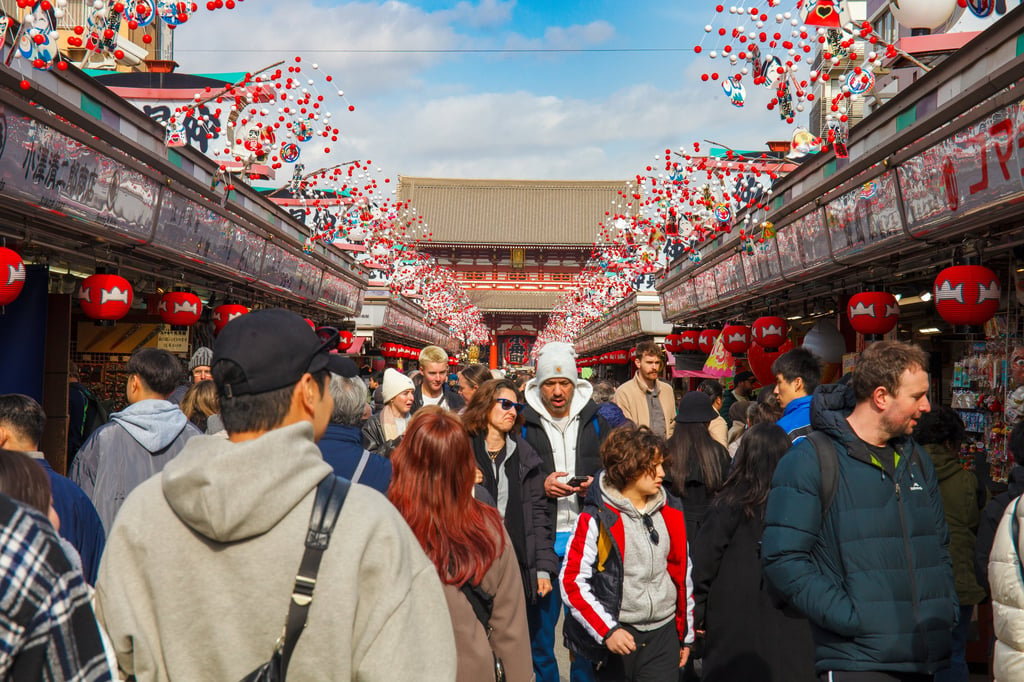
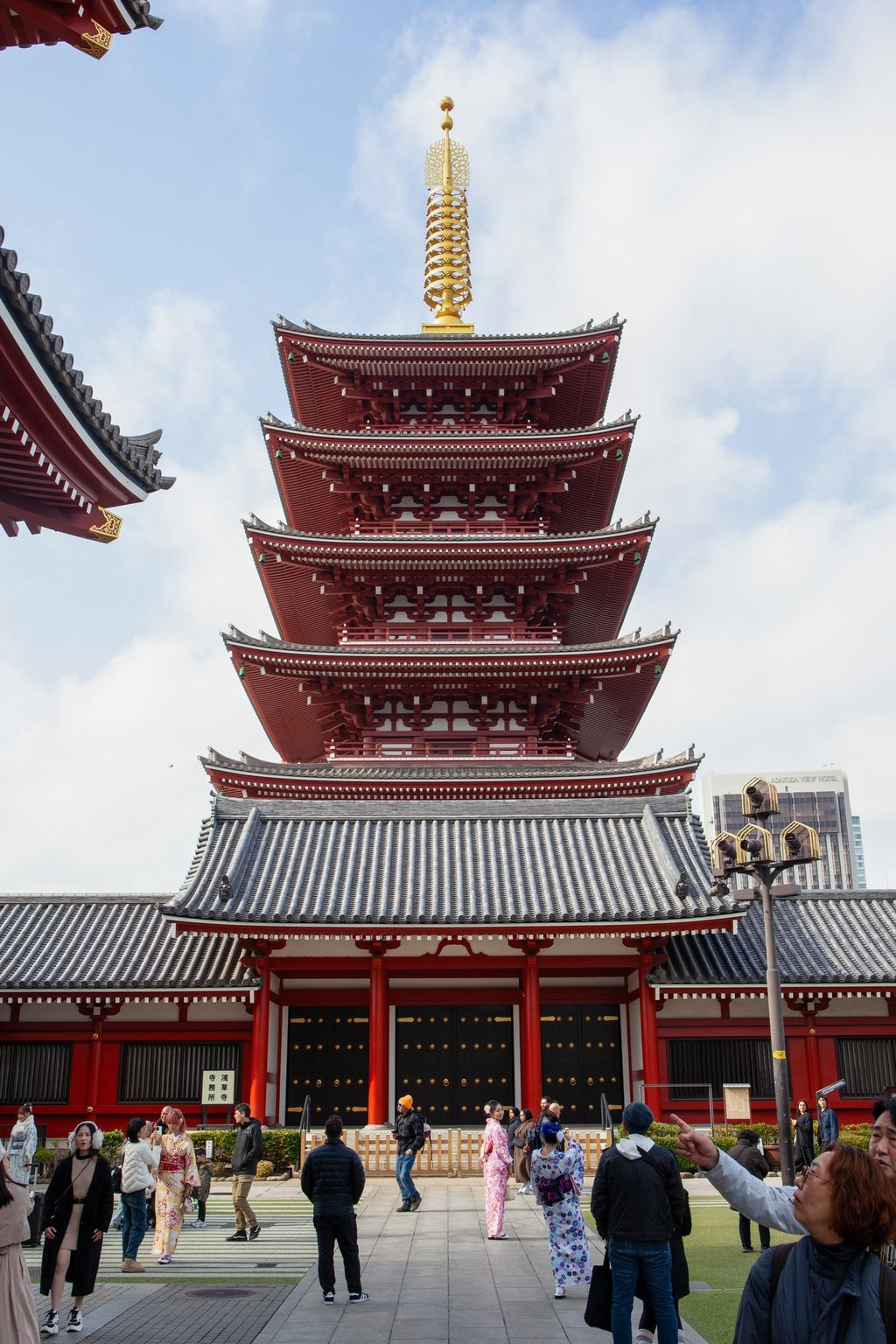
Asakusa has Senso-ji Temple, the oldest temple in Tokyo dating back over 1300 years ago. With bright red colors and large lanterns, this is iconically Japan, a must visit when in Tokyo.
How to Get There:
Staying in Tokyo:
Getting Around Tokyo:
Main Things to Do:
Historical Districts:
When I travel, I don't tend to focus on food, but in a country like Japan, its a vital part of the experience. From Lawsons to Omakase restaurants, Japan really is one of the culinary capitals of the world, with Tokyo being at its forefront.
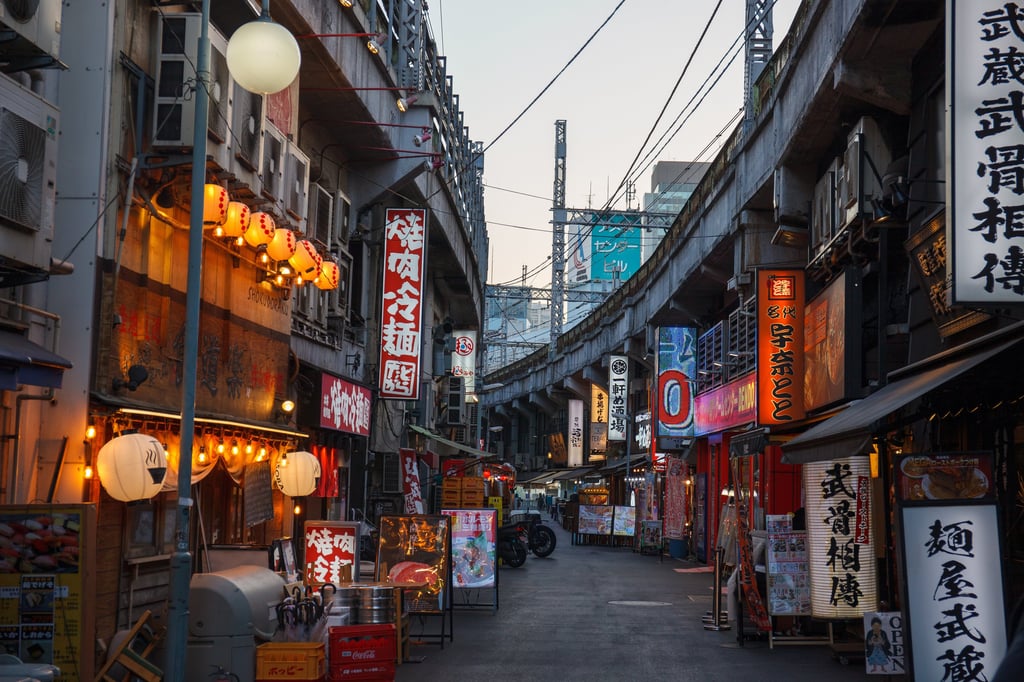
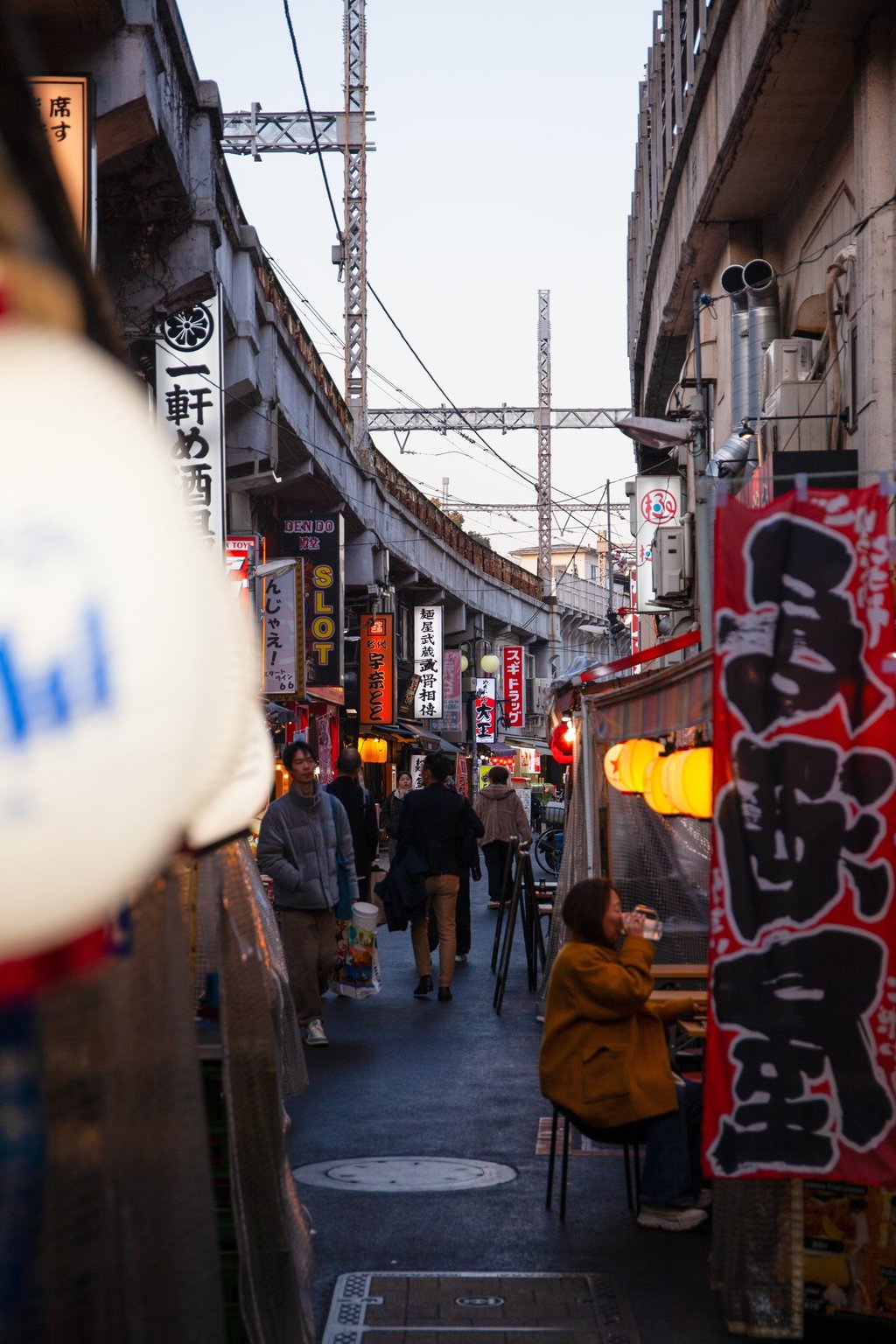
My favorite district in Tokyo is Ueno, southwest of Asakusa. Located under Ueno Station and expanding outwards, Ueno has a beautiful balance of modern signage with an old-feel. The market that follows under the station has one of the most iconic views in Japan, and has probably my favorite city scene in the country.
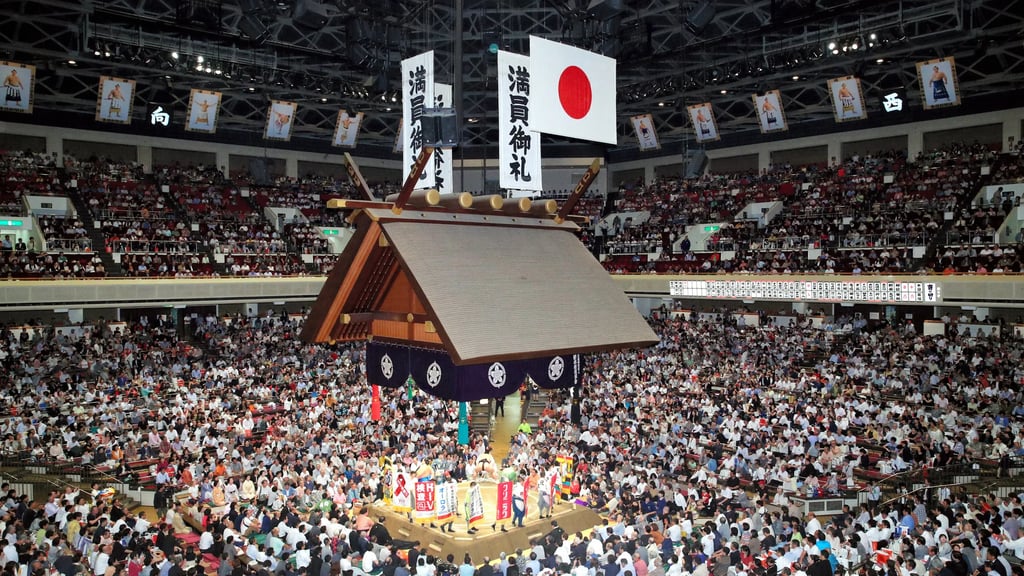
Ryoguku is the home of Sumo, competitive Japanese wrestling that is also the nation's national sport. You can learn the history of the sport or even catch a match, a must-visit if you have the time.
There is also a seafood market in the area, and a multitude of sashimi spots I would definitely stop at. There's also a famous Takoyaki spot, a doughball that has assorted seafood and a piece of squid.
This area is also near the Tokyo National Museum and Ueno Park, an amazing museum with large collections of art, samurai swords, and international artifacts. I would recommend an entire day just in this area of Tokyo, filled with history, food, and scenery.
Final Thoughts:
This guide only gives a snapshot to what Tokyo has to offer. Despite visiting 3 times already, every time I visit Tokyo I discover something new. Tokyo is one of the few cities in the world that never gets boring, and truly has something to offer for everyone that chooses to visit. I advise you to be flexible in a city like this, and focus on places/experiences you can fully enjoy rather than trying to see the entire city within a week. Tokyo is one of few cities I would deem as timeless, deserving in it's title as one of the greatest cities in the world.
I would recommend 3 days in Tokyo, a perfect balance of hitting the key spots while also giving you time to hit other areas in Japan. While Tokyo is beautiful, the country has so much more to provide in other cities. Combined with a high-speed rail system, limiting your trip to Japan to Tokyo would be a travesty.
However, while interconnected it may seem, different companies, organizations, and systems exist within each other, kind of confusing when navigating different areas. There may be different tickets for different lines, different levels of tickets, and confusing signage. Thankfully many of the attendants at the stations are helpful in navigating the system, so it isn't too difficult to get around. Google Maps offers the most comprehensive transit information, but Apple Maps offered better visual directions.
Other things I'd recommend are teamLab Planet museum, the Pokemon Center, the Original Seiko store, and Tokyo tower. The Shiinamachi Izakaya restaurant is also a cool photo, but not a must-visit in my opinion.
Food spots/things to try:
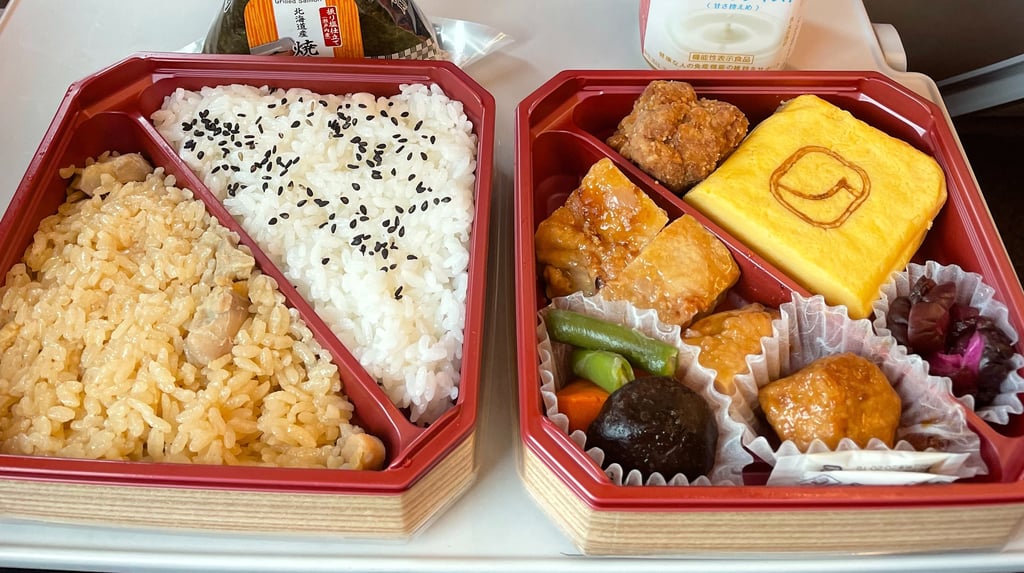
My favorite food experiences were the local lunchbox stores, offering budget meals that real locals depended on for breakfast, lunch, and dinner. While I also enjoyed expensive Wagyu experiences, street food and the authentic Japanese experience was undeniably my favorite.
Like the many YouTube videos we stumble upon at 2am, Tokyo really lives up to the hype - even surpassing it in person. I'm not going to recommend specific places, as I think social media hype often conflates places that are often undeserving of the hype. I invite you to stop at local places you see without long lines and try and discover hidden gems yourself, its hard to go wrong. There are also hundreds of small restaurants owned by elderly Japanese people; patronizing these places preserve the true culture of Japan, not the multi-million dollar chains tourist often flock to.
Shopping Districts:
Tokyo probably has some of the largest shopping districts in the world, places where you can find pretty much anything you want.
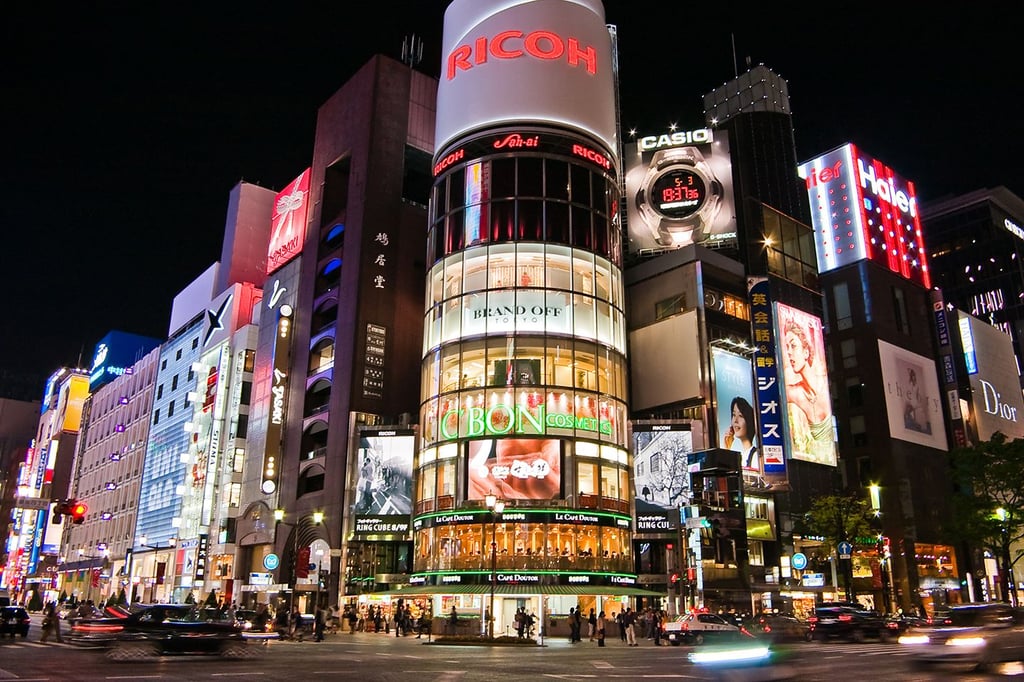
For high-end stores and experiences, Ginza is the most modern and concentrated area for high-end luxury stores. Japan is a great place to buy high-value items due to their tax-free and import-tax free pricing, especially on Japanese products. Cameras, watches, cosmetics; all things you can find for 10-20% off without seasonal sales.
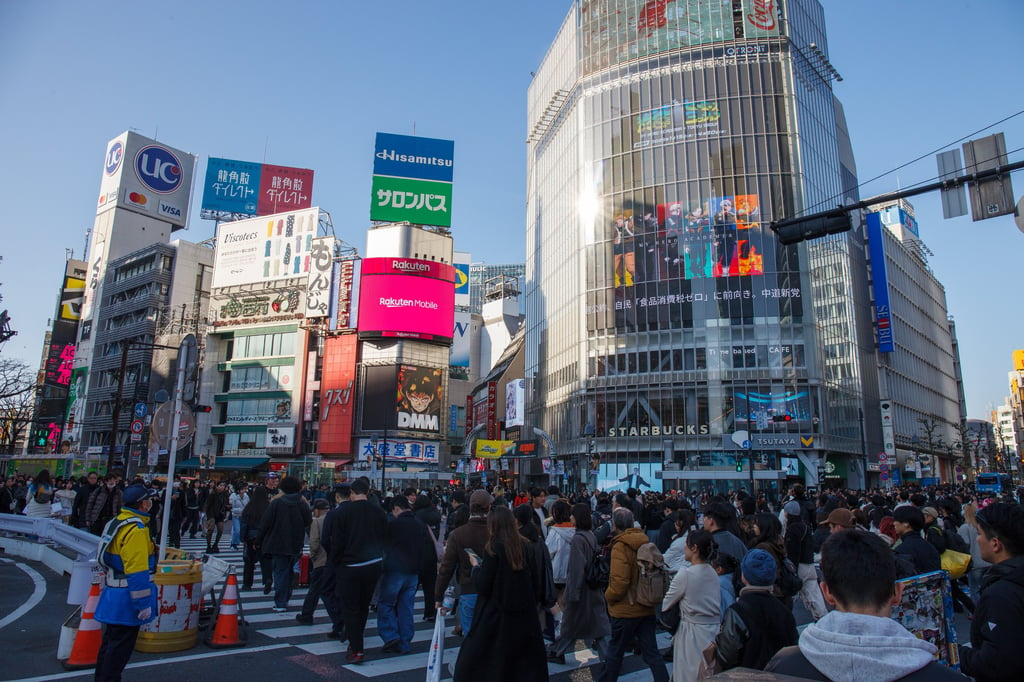
For more casual shopping, Shinjuku, Harajuku, Shibuya, and Akihabara offer a larger variety of stores at generally lower prices. Shibuya is home to the famous Shibuya Crossing, and well as a walkable shopping districts from well known retailers. Shinjuku has more iconic neon signs as well as one of the largest Donki-Quijote's in the country, a signature Japanese mega-retailer. Harajuku is well known for vintage shopping, a must in Tokyo. Akihabara has a large concentration of anime stores as well as second-hand consumer electronics.