The World's Greatest Open-Air Museum: A Traveler's Luxor Guide
How to get there, best places to see, & more

The World's Greatest Open-Air Museum: A Traveler's Luxor Guide
How to get there, best places to see, & more


By Raphael M., a travel photographer and writer based out of New York City
Last Updated on June 20th, 2026
Luxor is the crown jewel of the ancient Egypt. As one of the oldest inhabited cities in the world, Luxor is filled with beautifully ornate tombs, towering temples, and living evidence of some of civilization's greatest creations.
Luxor is located roughly 2 hours from Cairo by airplane, or 10 hours by bus. I arrived in Luxor by bus from Aswan, another city about 2 hours by bus. I would recommend flying, as the buses in Egypt are oftentimes dirty or extremely tight. Also make sure to allot time for delays, as pretty much every mode of transport I took had extensive delays.
Getting around Luxor is similar to getting around all cities in Egypt. There are apps such as Uber and Careem that advertise standardized costs for car-rides across the city. However, once the drivers arrive, they never go by the presented cost, they always negotiate with you on the spot. They generally charge you anywhere between 5-15x the cost that is on the app, and it is really easy to be scammed (for pretty much everything in Egypt).
My best recommendation would be to find a driver, whether that be through the app or on the street that would be willing to drive you around the entire day for a set cost. This is what I did for most days in Egypt, especially in Luxor and Aswan where attractions aren't as close to each other as Cairo or Alexandria.
Luxor is the largest open-air museum in the world, as the entire surrounding area is essentially a museum. There are a multitude of temples, historical sites, and museums to visit, an amount that would warrant weeks of sightseeing. I would recommend 4 sites as must-see attractions: The Valley of the Kings, Karnak Temple, Luxor temple, and Medinet Habu. Other sites that warrant a visit are the Mortuary Temple of Hatshepsut, the Valley of Queens, Dendera Temple, and the Colossi of Memnon.
If you only have 1 day like I did, I would do the following route: The Valley of the Kings, Mortuary Temple of Hatshepsut, Medinet Habu, Karnak Temple, and Luxor Temple. This itinerary gives enough time between locations to fully appreciate each one, while also hitting most of the key spots. I would also recommend a hot-air balloon sunrise ride, something I unfortunately couldn't do but really wish I did.
The first tomb I entered was KV8, or Merenptah's Tomb. He was the Pharaoh from 1213-1203 BCE, and the first royal-born pharaoh since King Tut. While his tomb was not as grand nor preserved as the others, but it had a complete sarcophagus cover, displaying the beautifully carved Osiride/Osiris depiction of Merenptah.
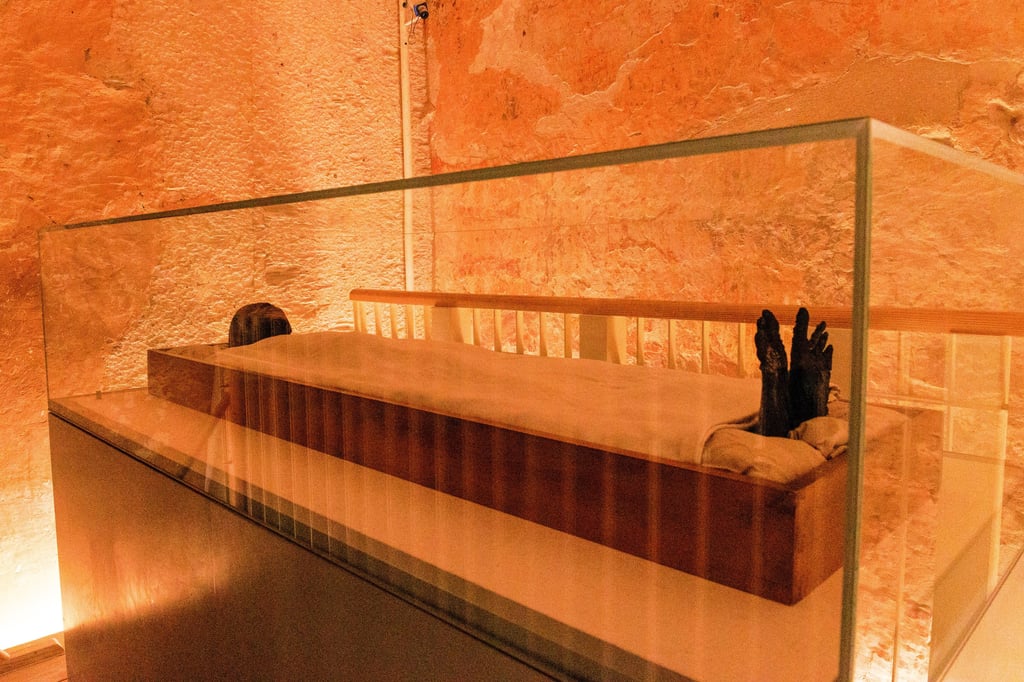
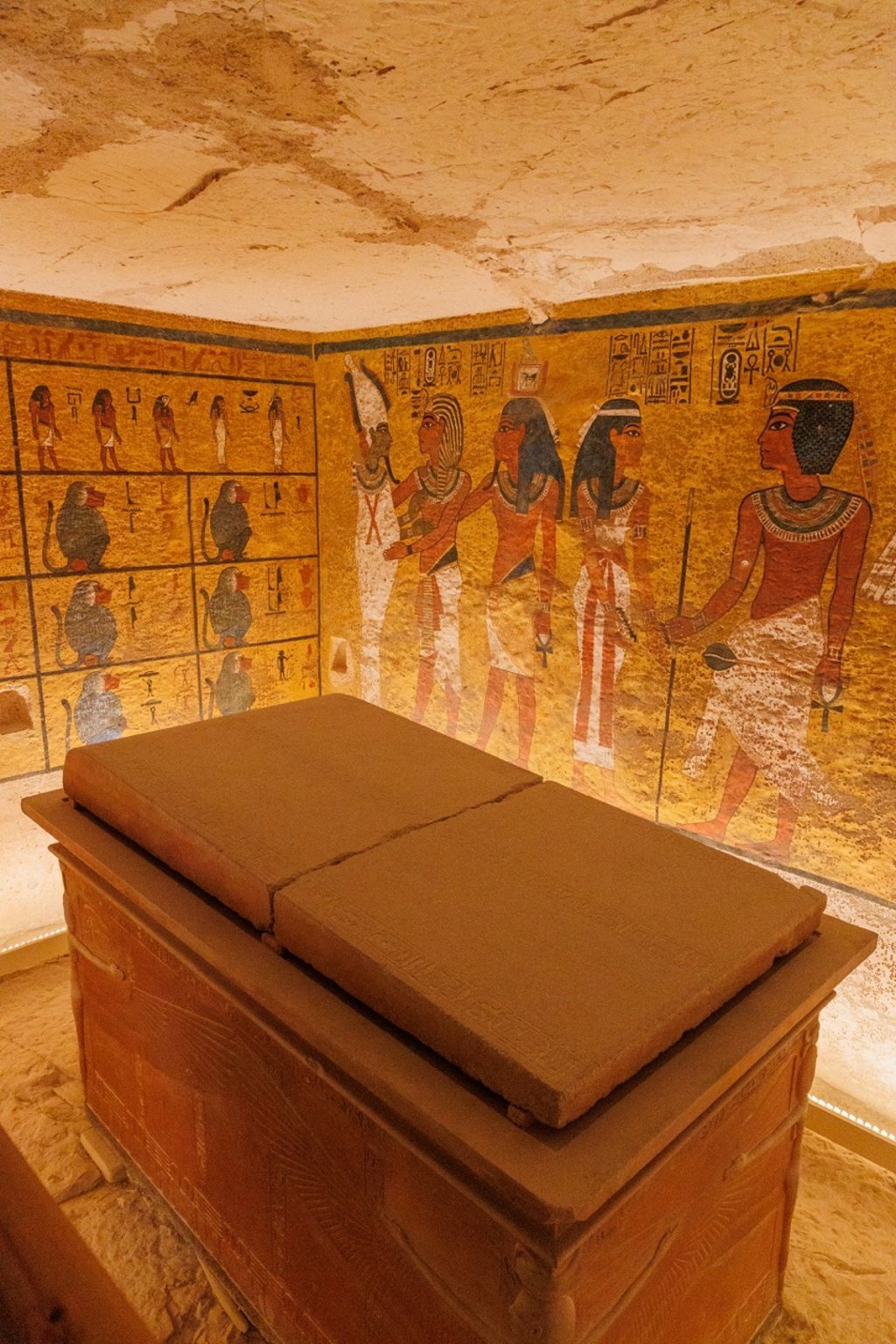
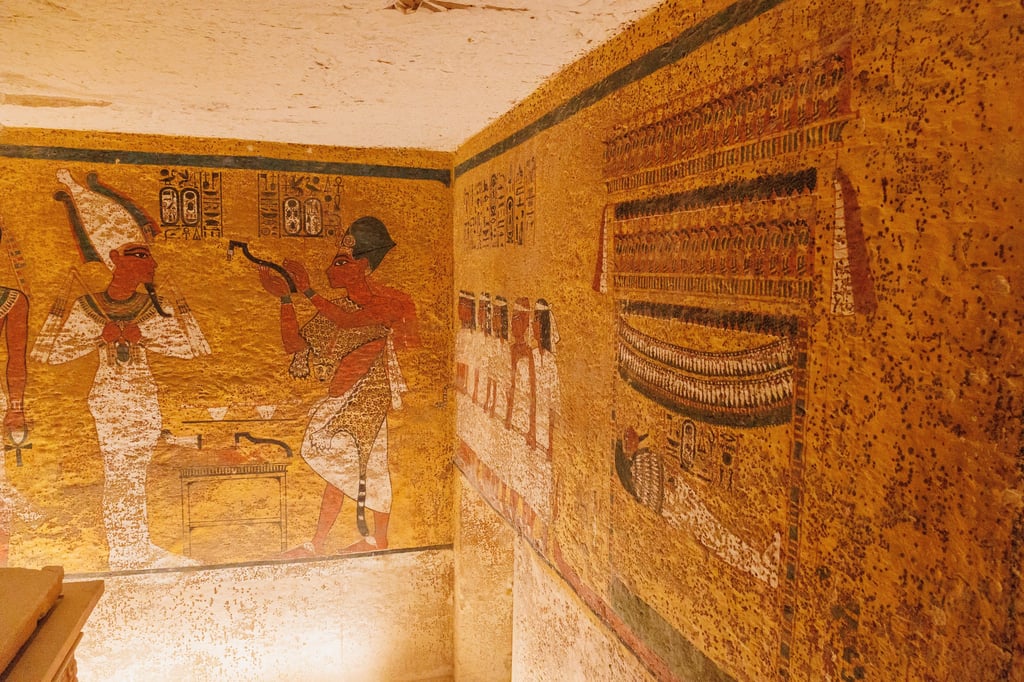
After walking into the surrounding tombs, it was clear that King Tut's tomb was actually minuscule in scale compared to others, namely because of the fact that he died at a young age. Only 3 of the walls surrounding his sarcophagus were painted, albeit the walls were much more vivid than the other tombs.
Although the tomb itself isn't as grand as the others, it is definitely worth it to visit, just to say you've visited King Tut's final resting place. To view his three-layered sarcophagus and bust make sure to visit the G.E.M in Cairo, where you'll find all the thousands of artifacts buried alongside him. Definitely a check off the bucket-list.
The next tomb was KV2, or Ramses IV's tomb. This tomb is immensely decorated, with a long corridor leading down to a 10 foot towering coffin. It was one of the busiest tombs in the entire complex, and had a 'guide' blocking off the backroom, but would let you enter for a 'tip.'
Getting around Luxor:
While Egypt has some of the greatest sights in the world, the travel experience is one of immense difficulty.
The next tomb was King Tutankhamun, or King Tut. The young Pharaoh is the world's most famous Pharaoh due to the extensive preservation of his tomb and its artifacts, most of which are presented at the G.E.M (Grand Egyptian Museum) in Cairo.
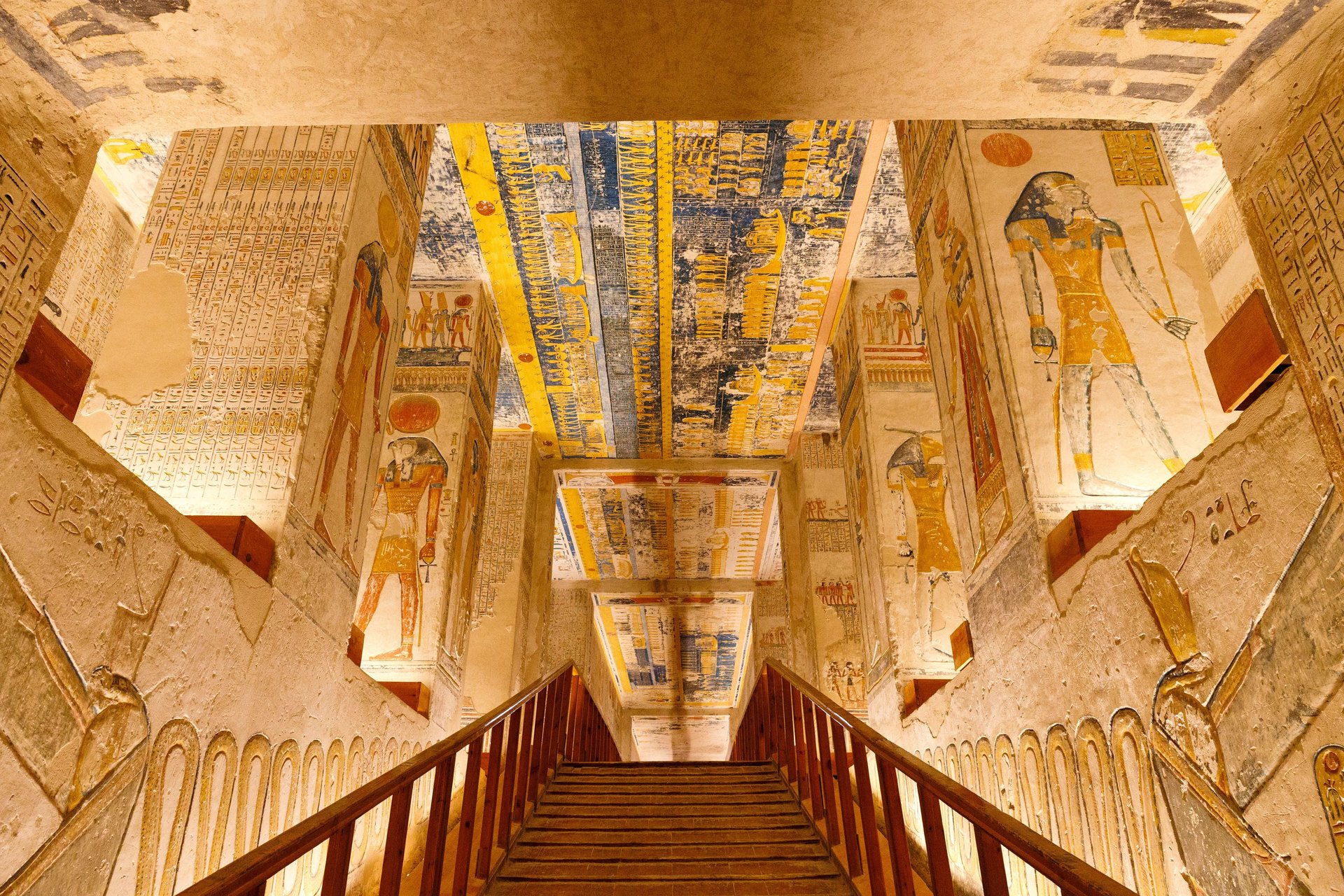
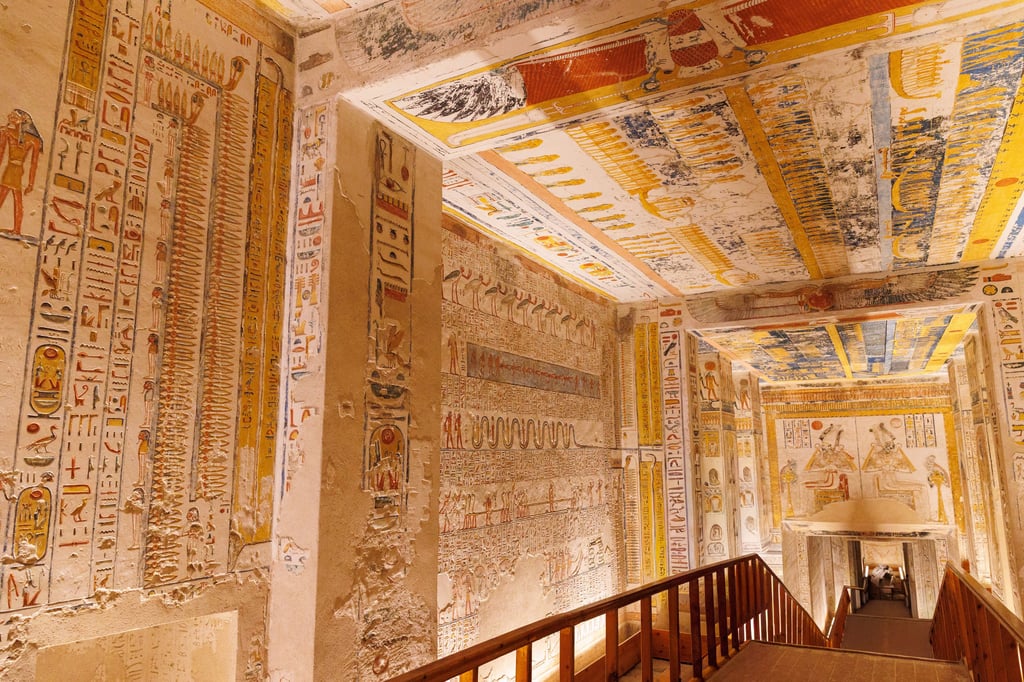
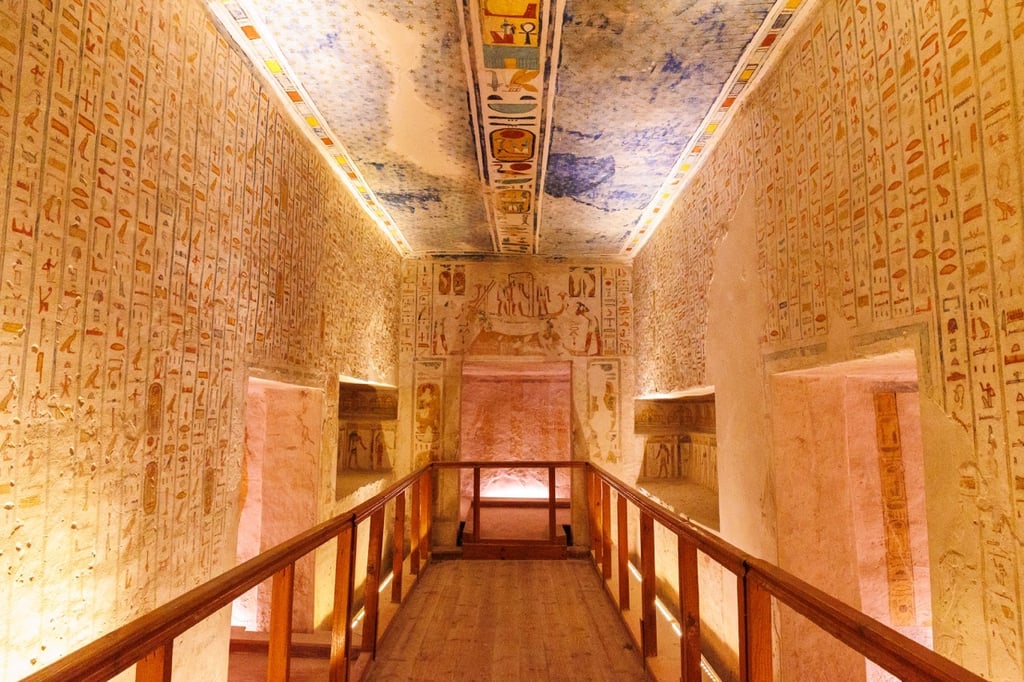
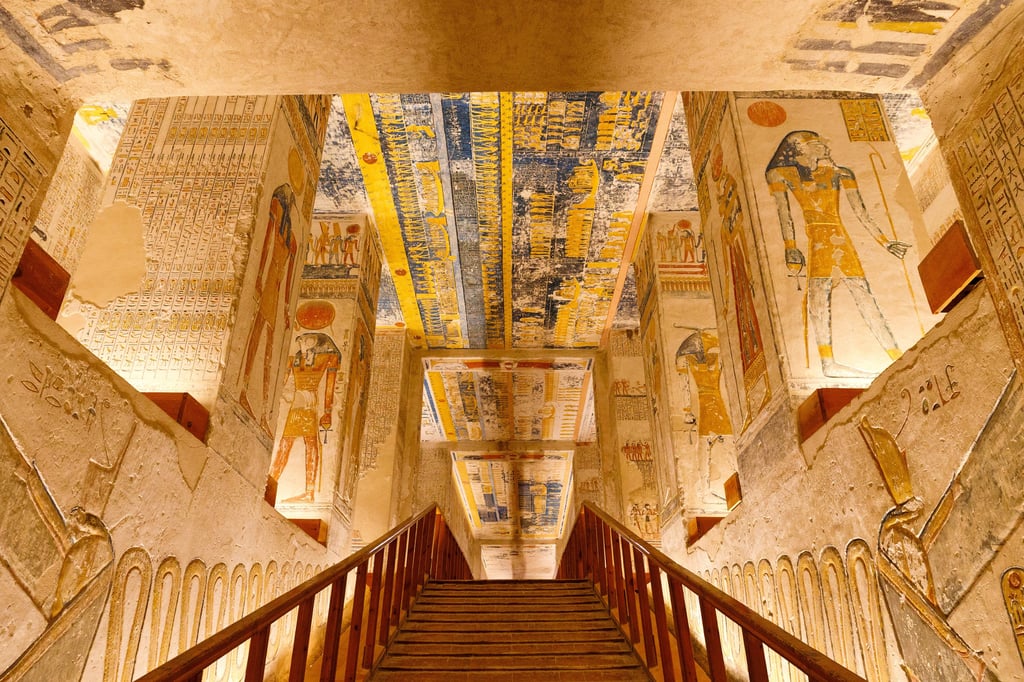
The most beautiful tomb I visited was KV9 for Ramesses V and Ramesses VI. The tomb leads down a long corridor decorated with detailed paintings and carvings, bridged with an opening in the middle with large columns that are ordained with the same paintings.
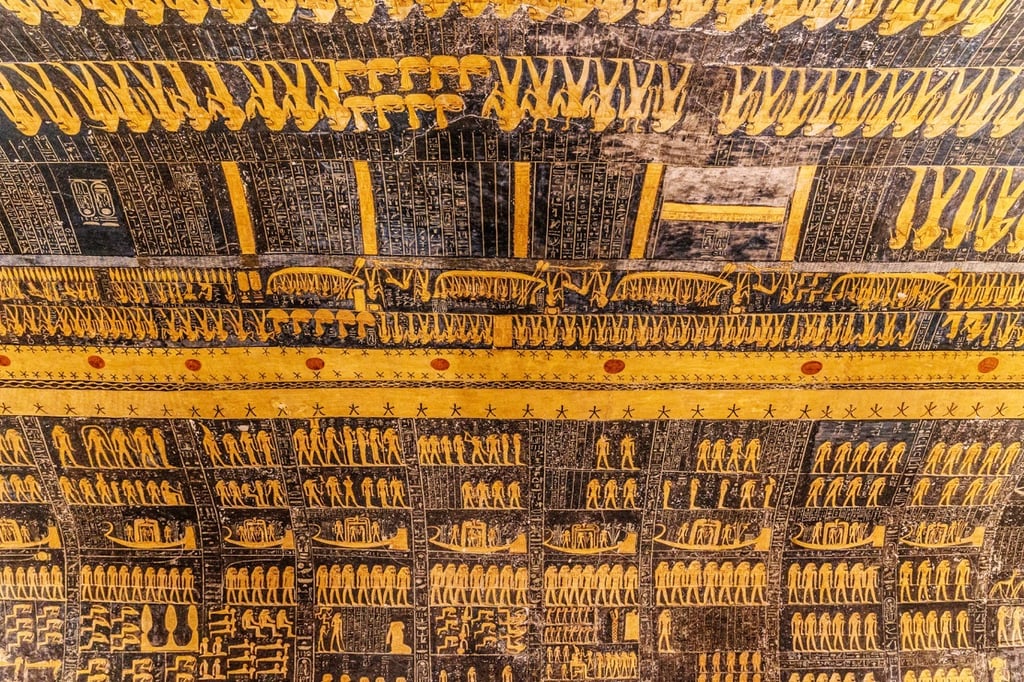
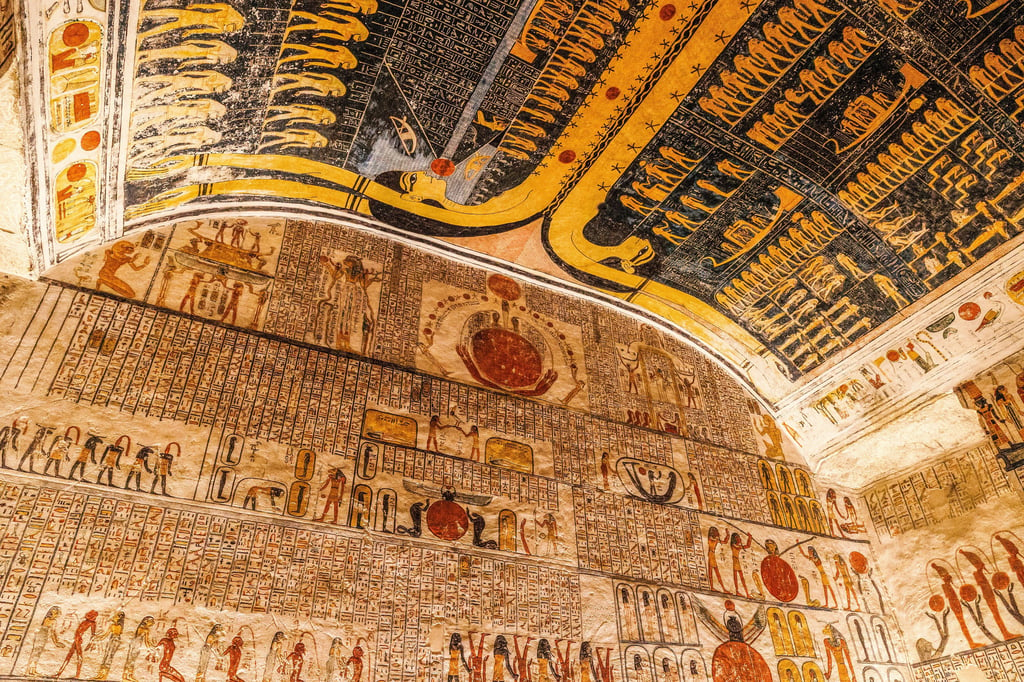
The burial chamber at the bottom has one of the most breathtaking paintings in the world, spanning across the entire ceiling and descending down the walls. This tomb is reason alone to make the trip to Luxor.
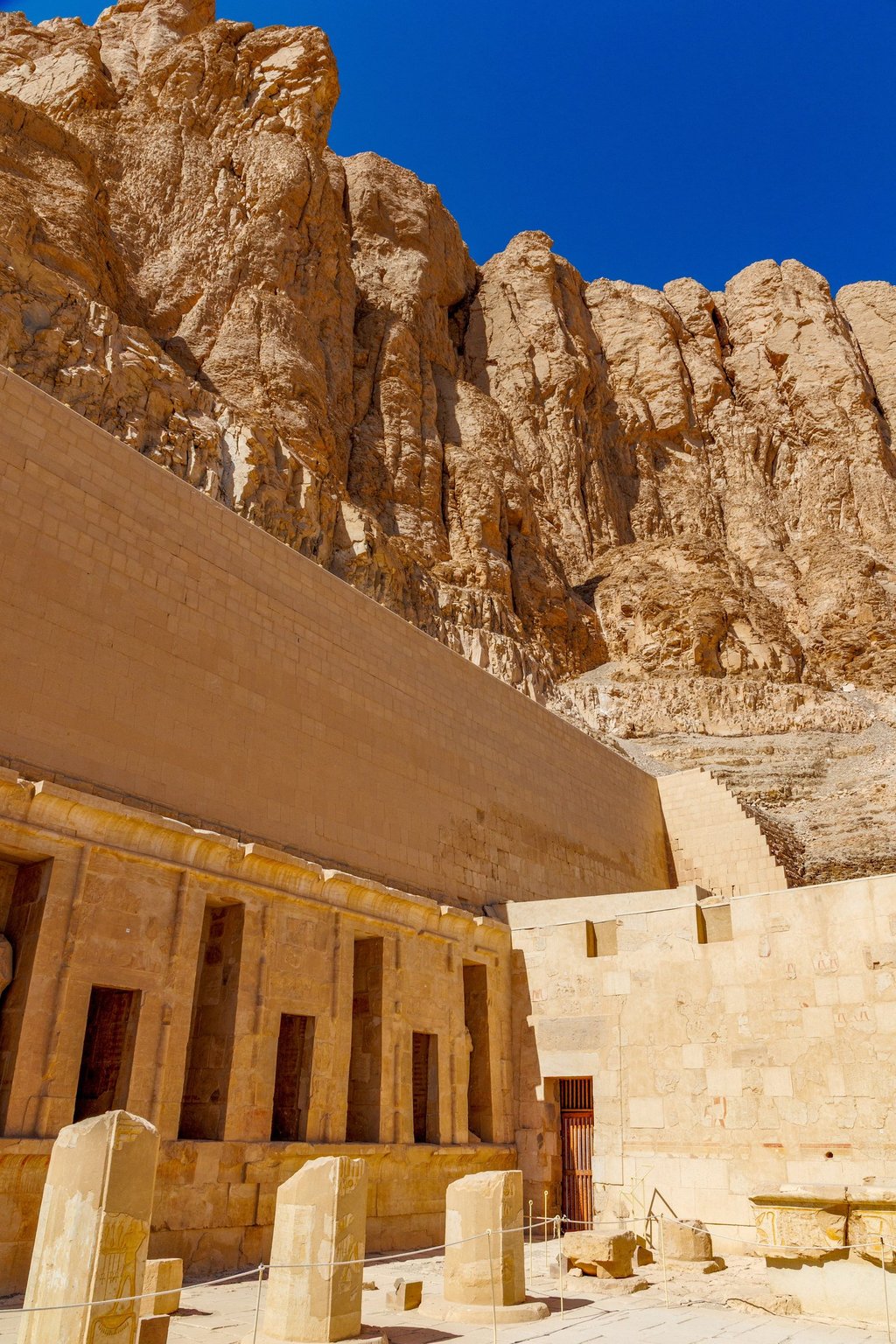
Hatshepsut was the second female Pharaoh that had complete control over the Egyptian Empire, second to Sobekneferu/Neferusobek. It is renowned for being one of the greatest representations of ancient Egyptian architecture, seen through its three-tiered design and smooth walls.
While there are dozens of other tombs you could visit, I would definitely visit King Tut's and KV9. Seti I is another tomb that is beautifully preserved, but had an immense surcharge that I didn't feel was needed, especially after seeing KV9.
Disclaimer about Egypt:
Mortuary Temple of Hatshepsut:
Staying in Luxor:
I would recommend staying in a nicer hotel, as the more budget hotels are really rough. I ended up switching from a budget hotel to a more premium one, both for sanitary and safety concerns. Also remember to bring outlet converters. The hotels I stayed at in both Cairo and Aswan did have US standard wall-plugs, but both hotels I stayed at in Luxor did not.
How to get there:
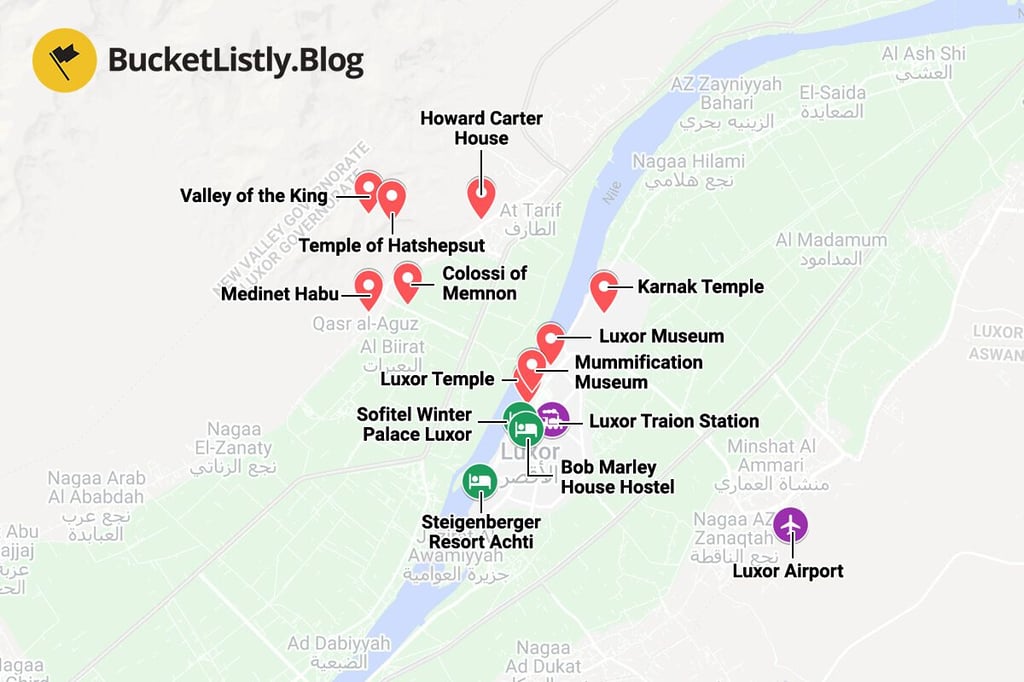
The city of Luxor is split in two by the Nile River. Most people stay on the Eastern side, due to its more developed city-system and convenience to Luxor and Karnak Temple. The Western side of town is closer to the Valley of Kings and the Mortuary Temple of Hatshepsut.
I would not recommend traveling here solo. Generally, it was nothing harmful or dangerous, but I did find myself in a few confrontational moments, all of which I was by myself with my camera equipment. After a few conversations with local Egyptians, many view Asian tourists as rich and prime targets for petty theft or extortion. This may seem overzealous, but I personally had 4+ interactions where people would try to steal my bag or my camera. Please take the necessary precautions while visiting a country like Egypt, and preferably travel with others or a guide for added security.
source: Bucketlisty
Places to Visit/Route:
The Valley of the Kings:
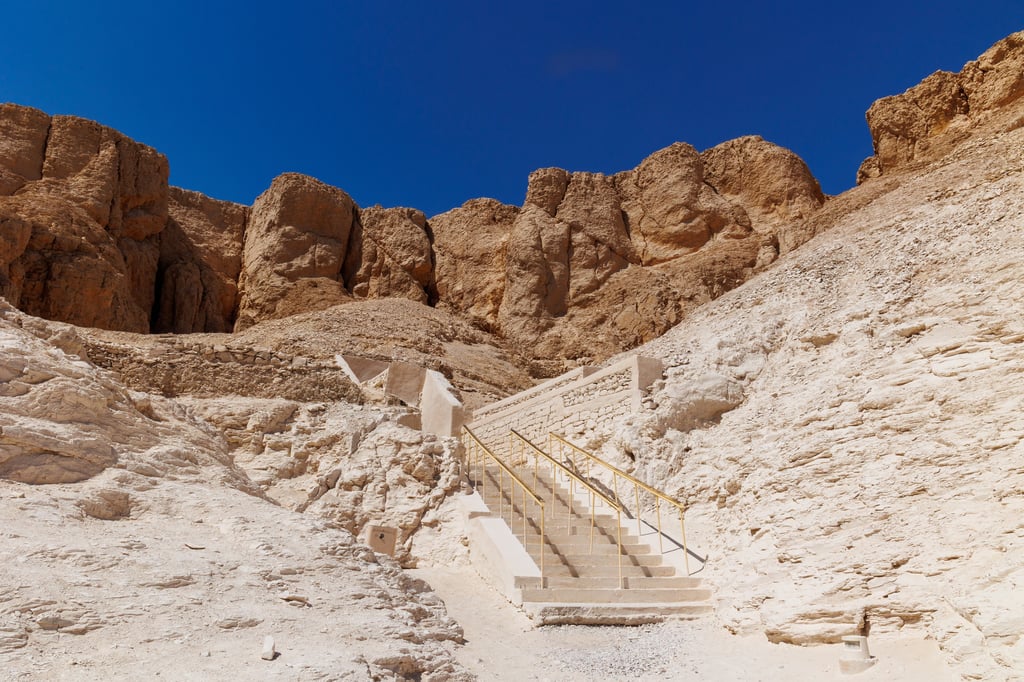
Located 30 minutes from downtown Luxor is the Valley of the Kings. Carved in mountains of white limestone holds an elaborate labyrinth of extensively detailed tombs.
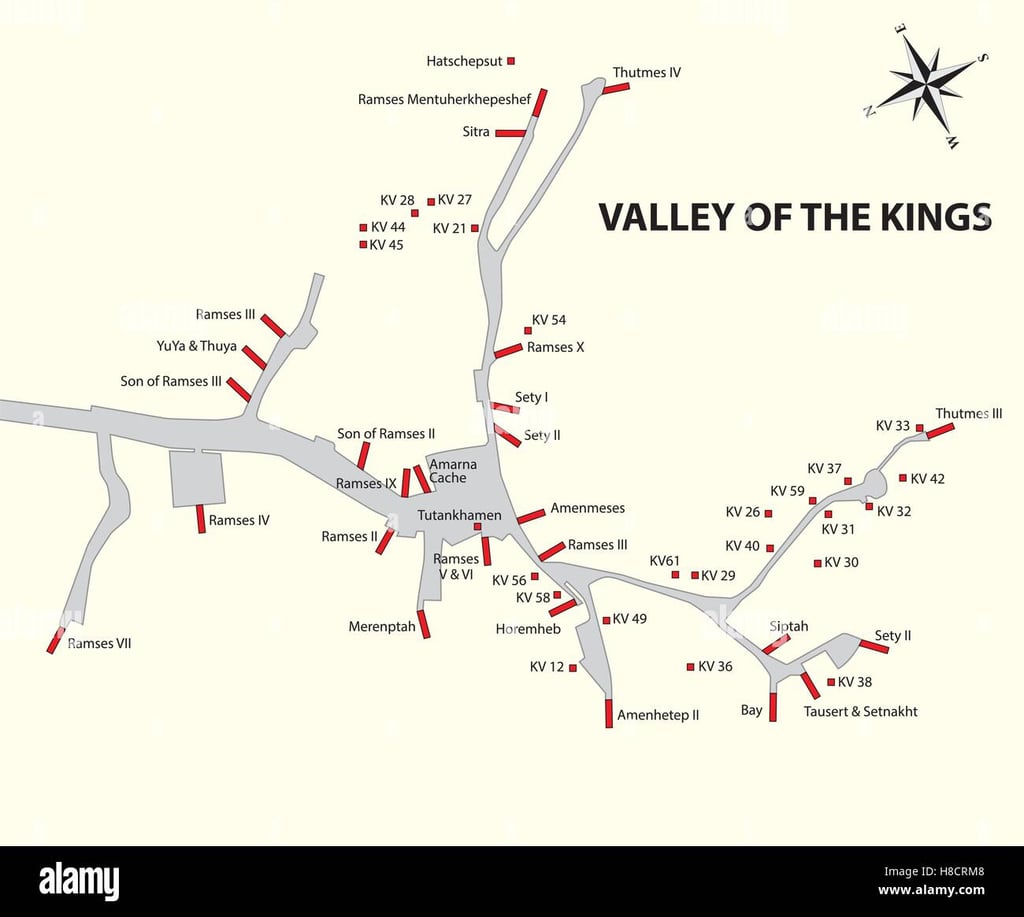
The admission fee is 700 EGP, but I paid 350 EGP with my student ID. This is only the base fee, and allows you to enter 3 tombs in the valley, excluding some of the most grand and preserved ones, which they charge extra for. King Tutankhamun, Ramesses V & VI, and Seti 1 have additional fees, which cost far more than just the base fee. However, the fees are completely worth it, and hopefully go towards conservation and preservation of these absolutely breathtaking tombs. In total, I think I spent around 55 USD for King Tut, Ramesses IV and 3 other tombs.
Source: Alamy
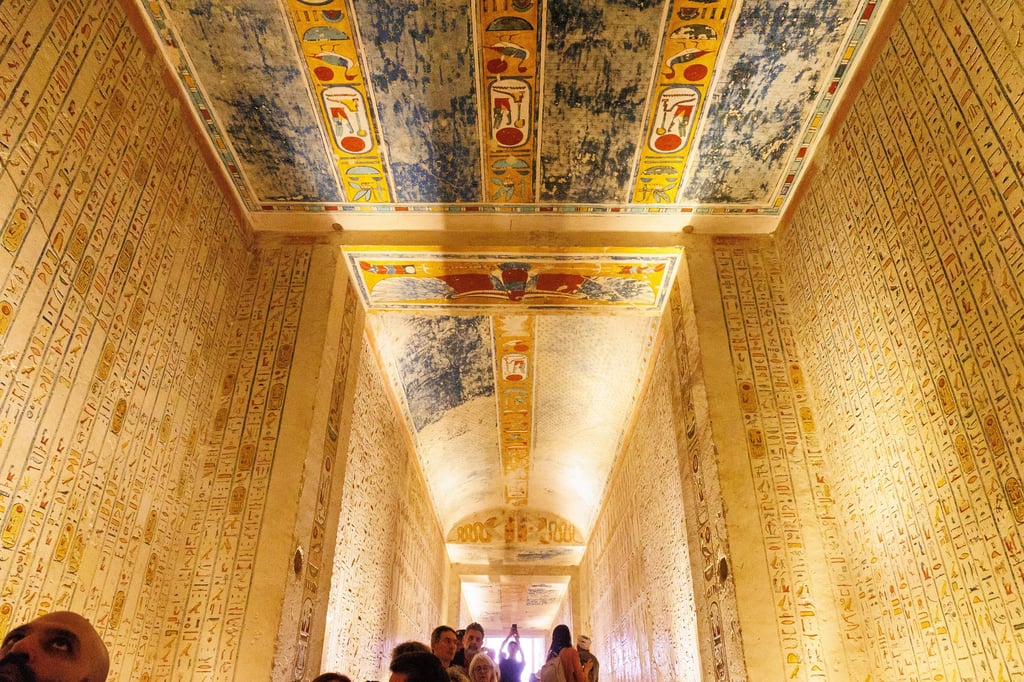
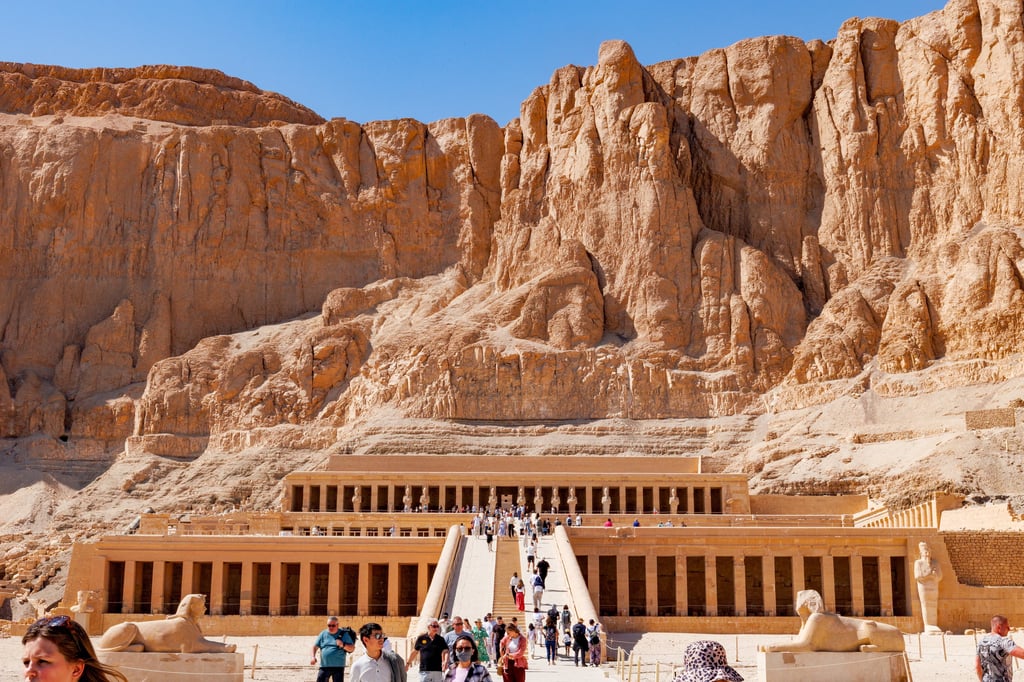
This was one of the most impressive visual architectural structures in all of Egypt, appearing the most modern and refined, yet being almost 3500 years old.
Medinet Habu:
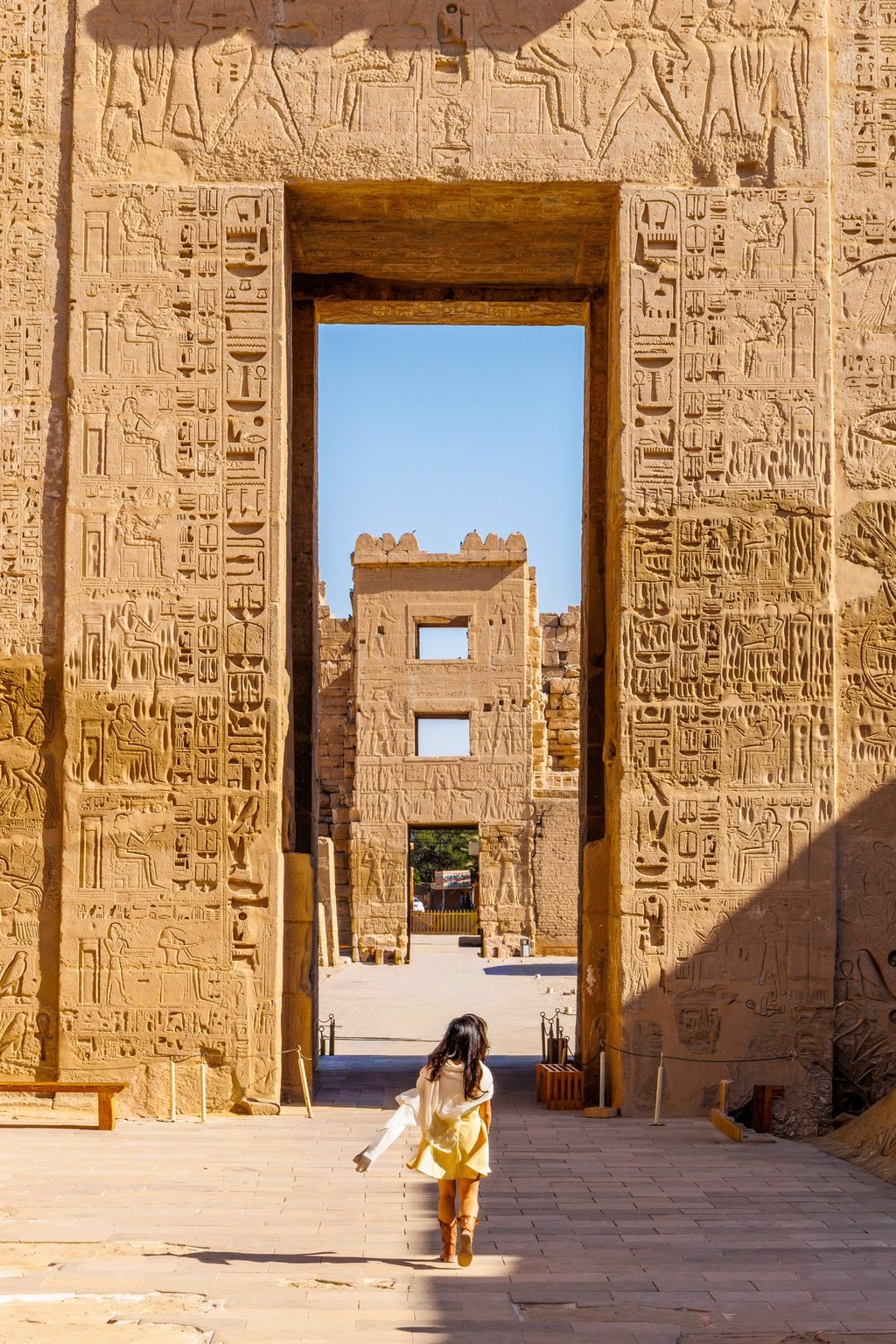
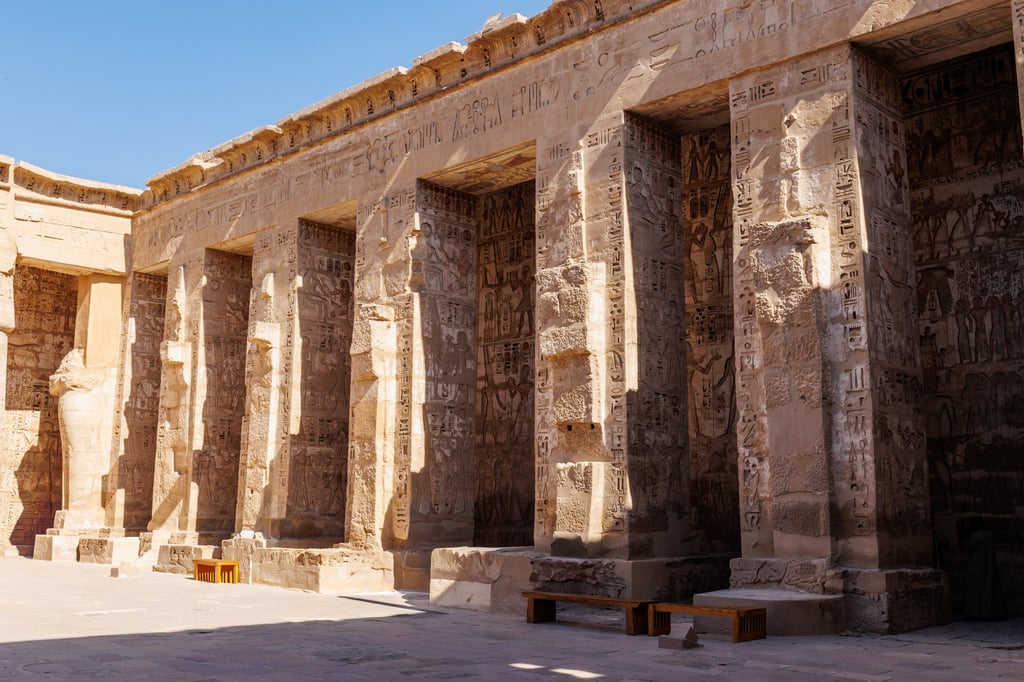
Medinet Habu, otherwise known as the Mortuary Temple of Ramesses III, is a must-see spot in Luxor. Located roughly 20 minutes from the Mortuary Temple of Hatshepsut, this temple has large, towering walls with deep engravings that have stood the test of time.
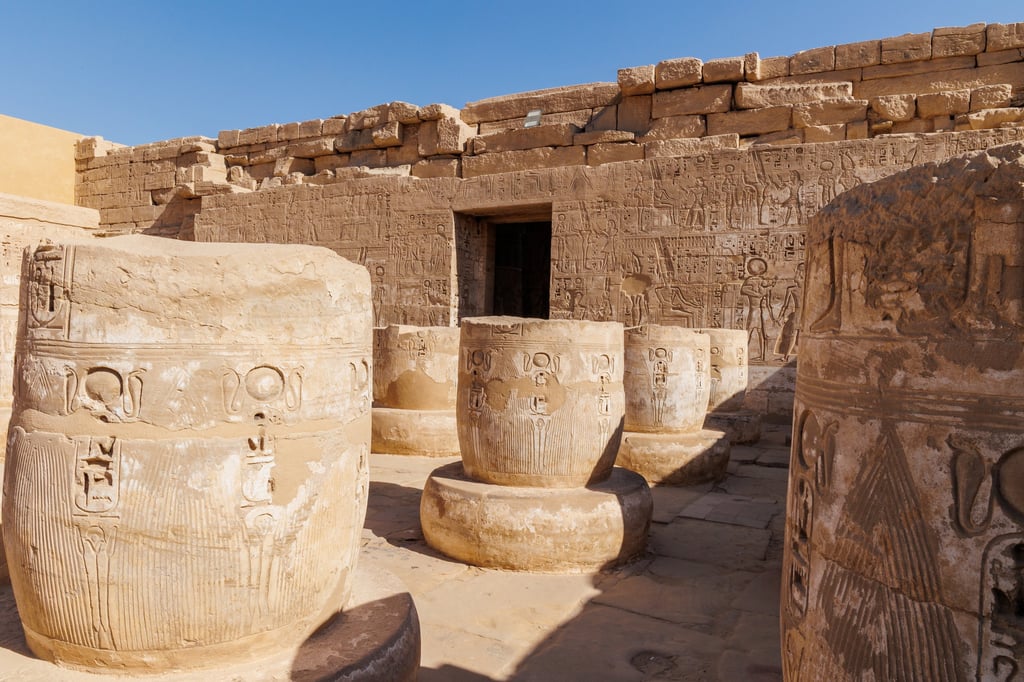
Unfortunately, the columns at the back of the temple have collapsed, with only the bases left. Nevertheless, the present-day structure is unforgettable, and just makes you imagine what this place looked like in its prime.
Karnak Temple:
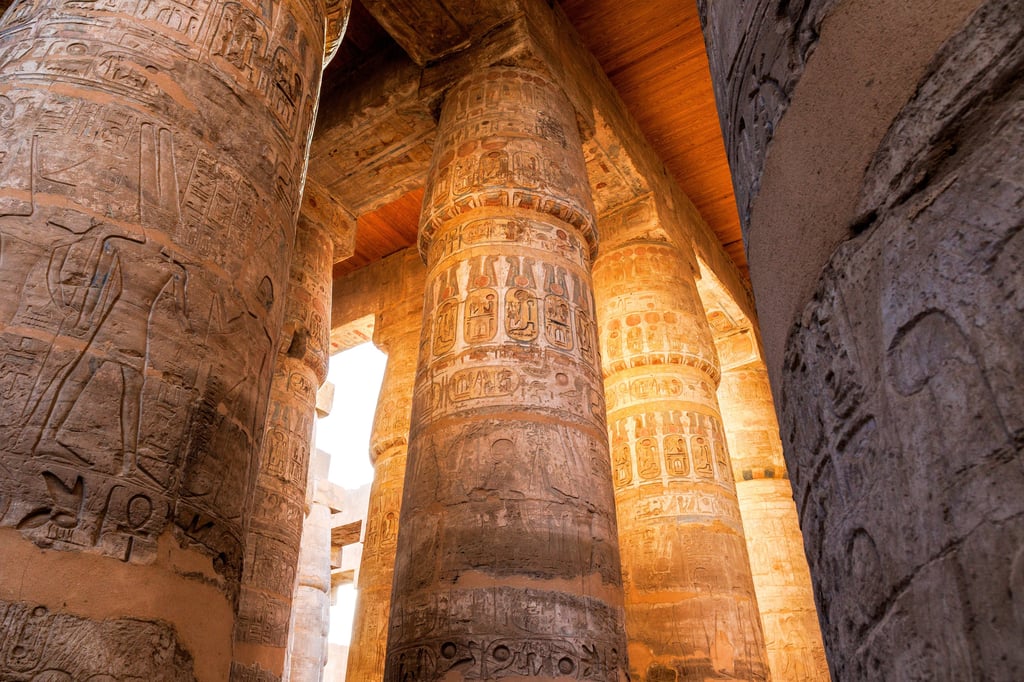
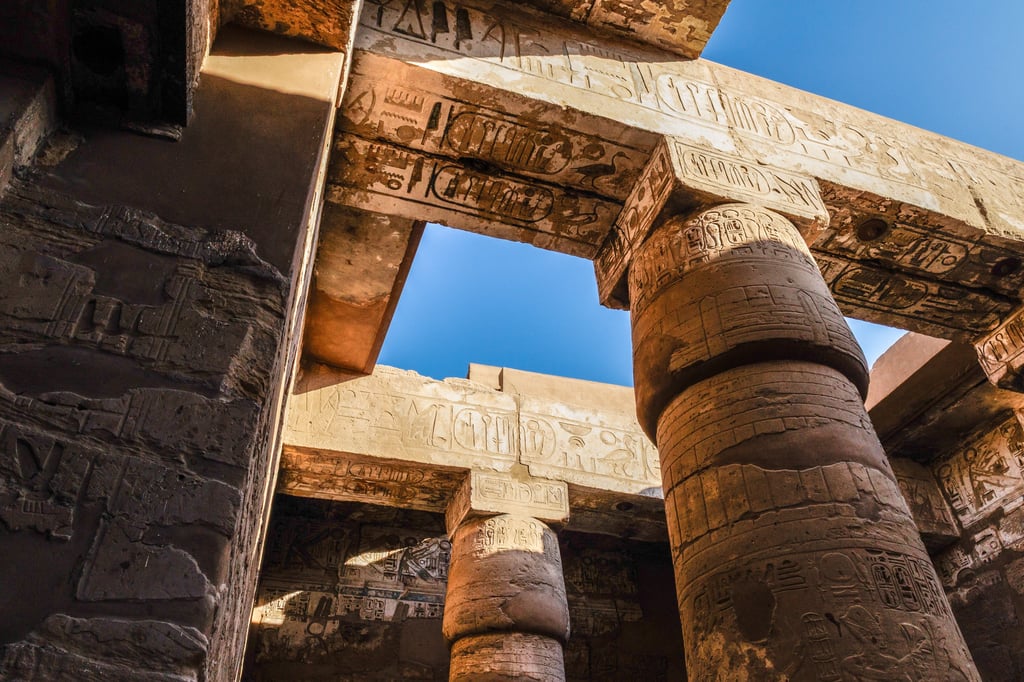
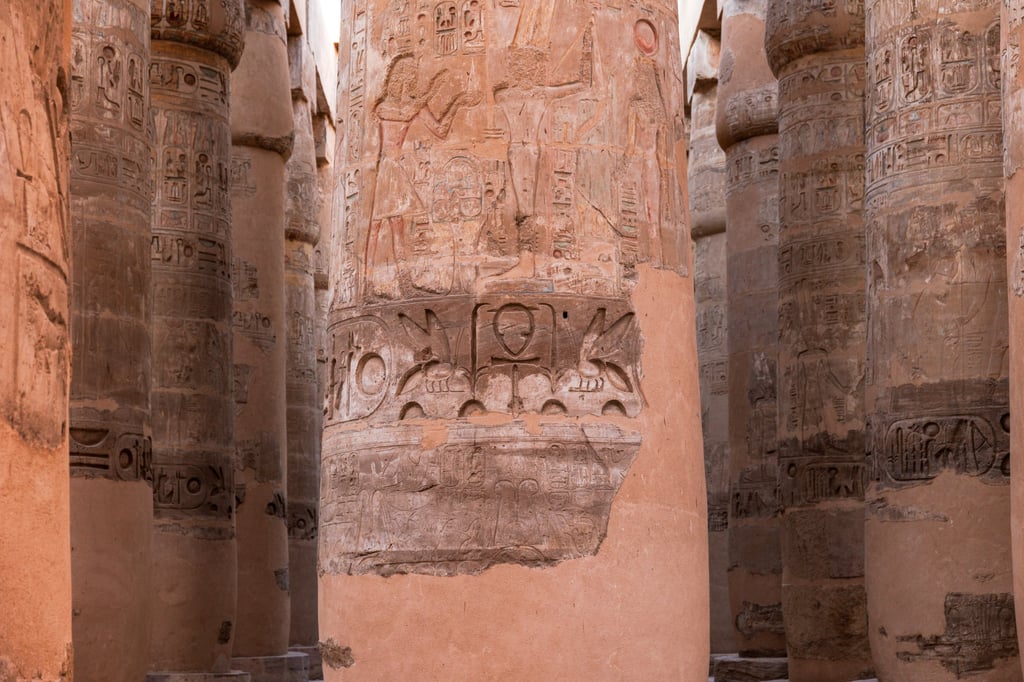
As the largest religious complex in the world, Karnak Temple is one of the greatest examples of ancient Egyptian engineering, right behind the Great Pyramids. The Temple consists of large sandstone walls leading into a complex of 132 columns each rising 66 feet.
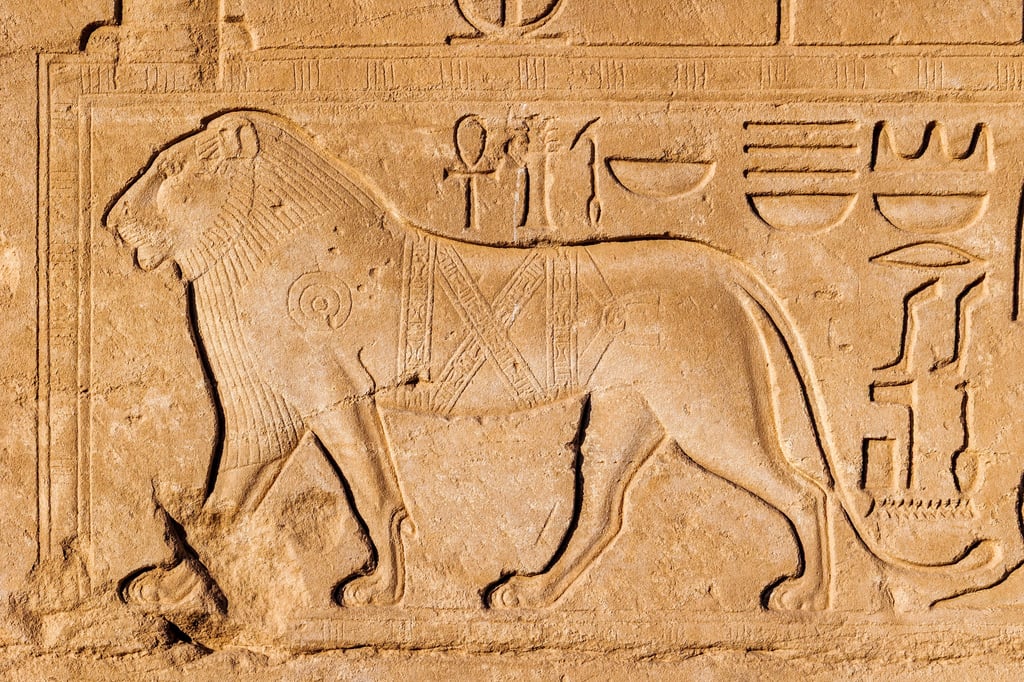
On top of the columns lay large sandstone blocks that hold the entire structure together, an impossibly engineering complex. In addition to having such large columns, each were covered in detailed carvings, a truly unfathomable sight to see.
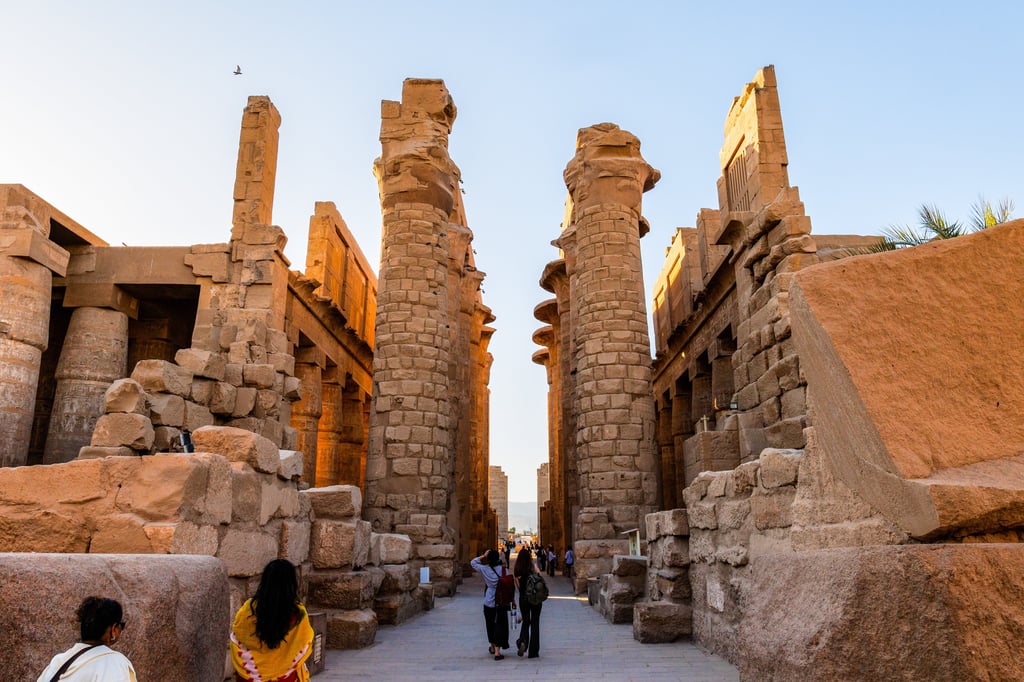
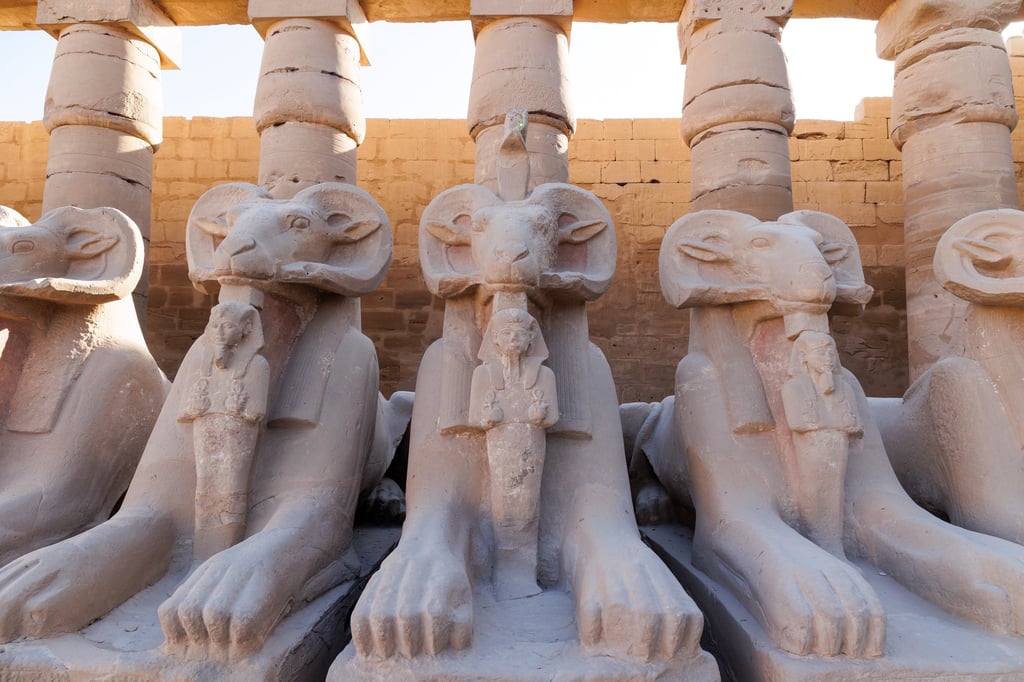
On the backside of the complex, there are several smaller structures exemplifying the art of symmetry, art, and architecture.
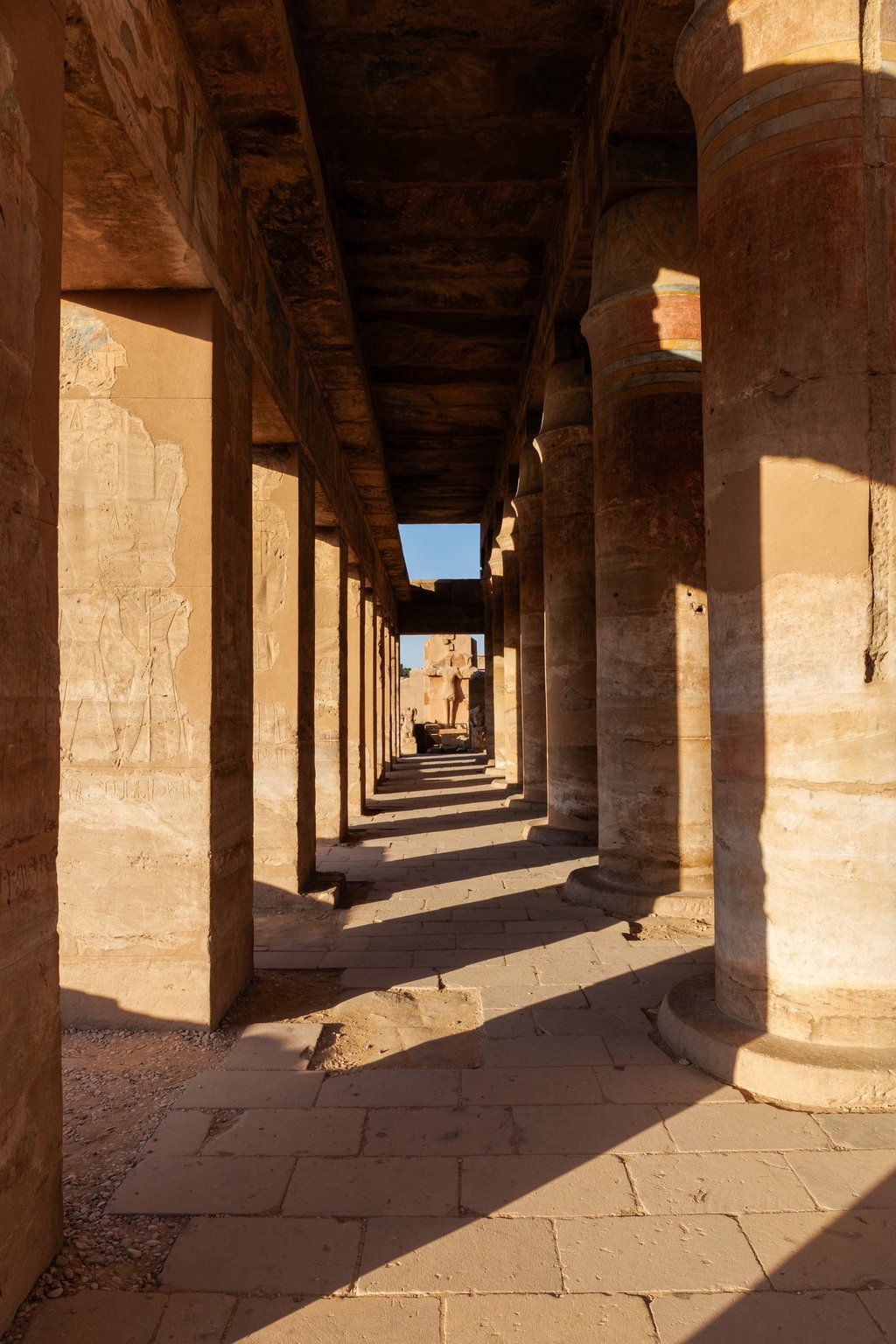
You could spend hours wandering around this temple; there really isn't enough time to truly go in depth into each section and admire the excellence of this historical site. I would recommend a guide/Egyptologist to take you around, as they can structure what places to go to depending on the amount of time you have, and have immense knowledge about the temple.
Luxor Temple:
I chose to go to Luxor Temple at night, where they light up the complex to be viewed in a completely different perspective. The temple is conveniently located near the downtown area, so getting there is much easier compared to the other sites.
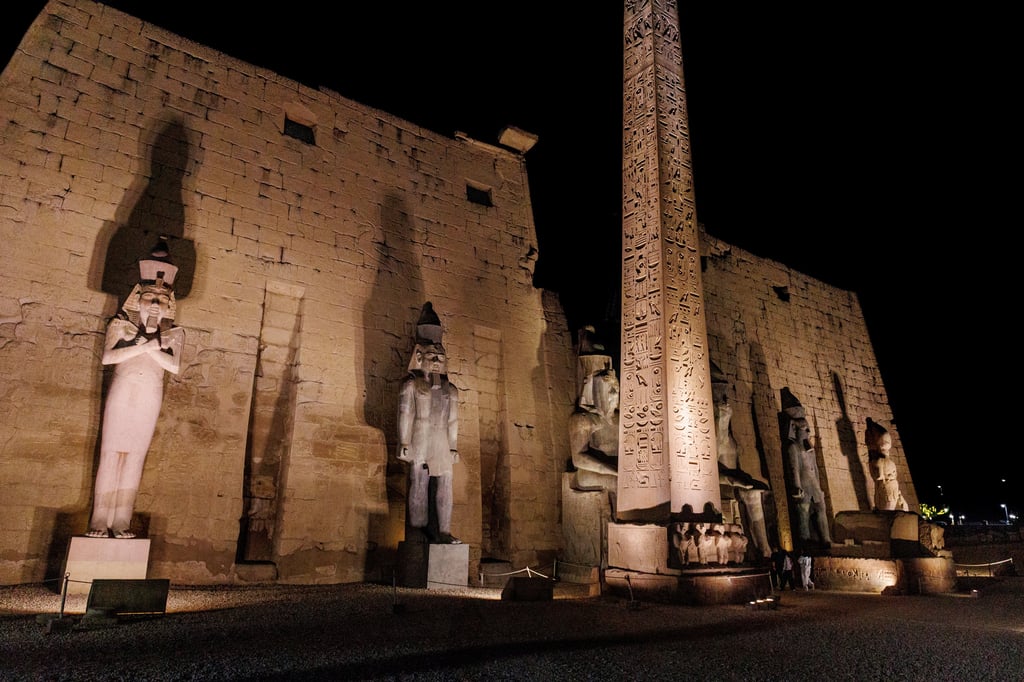
Luxor Temple was just as grand as Karnak Temple, albeit much smaller and condensed in scale. There were large statues, oblisks, and courtyards beautifully preserved and maintained, all amplified by the contrast of light and dark.
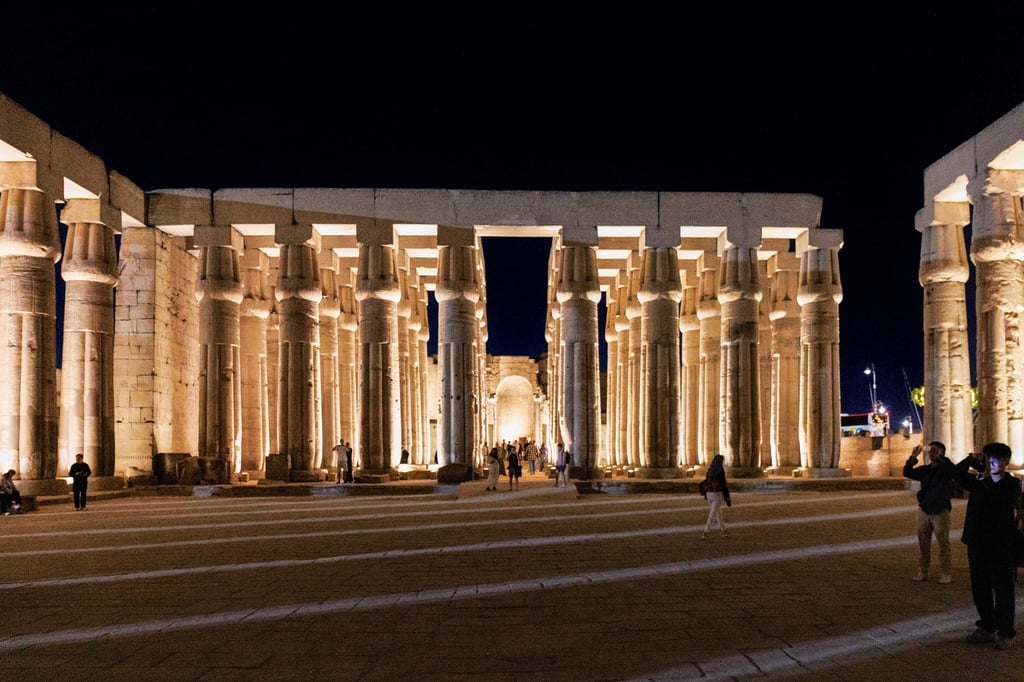
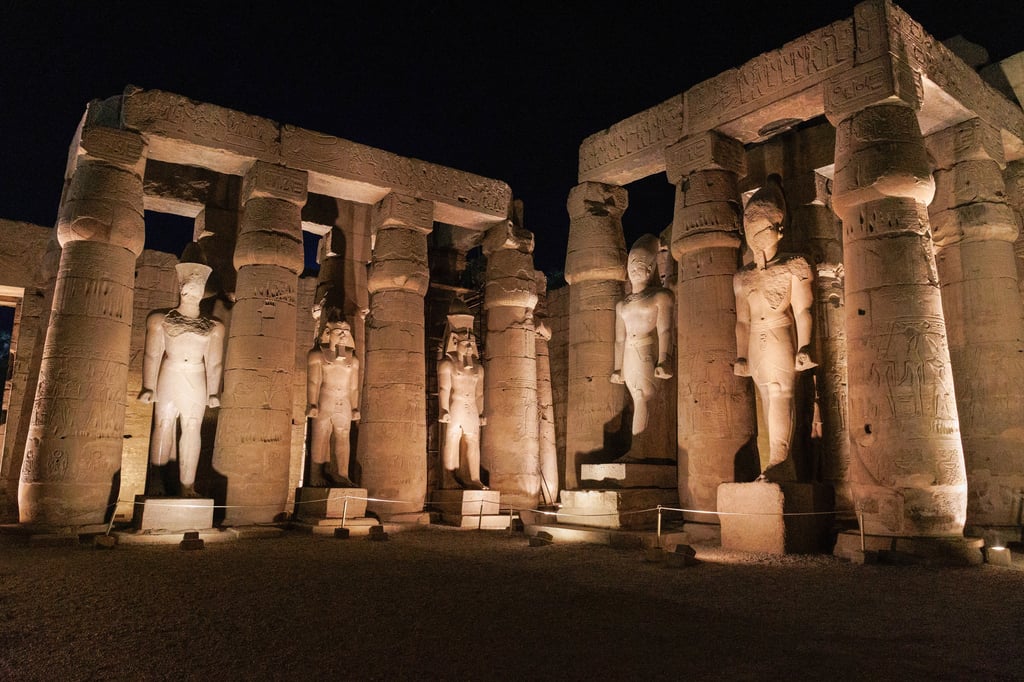
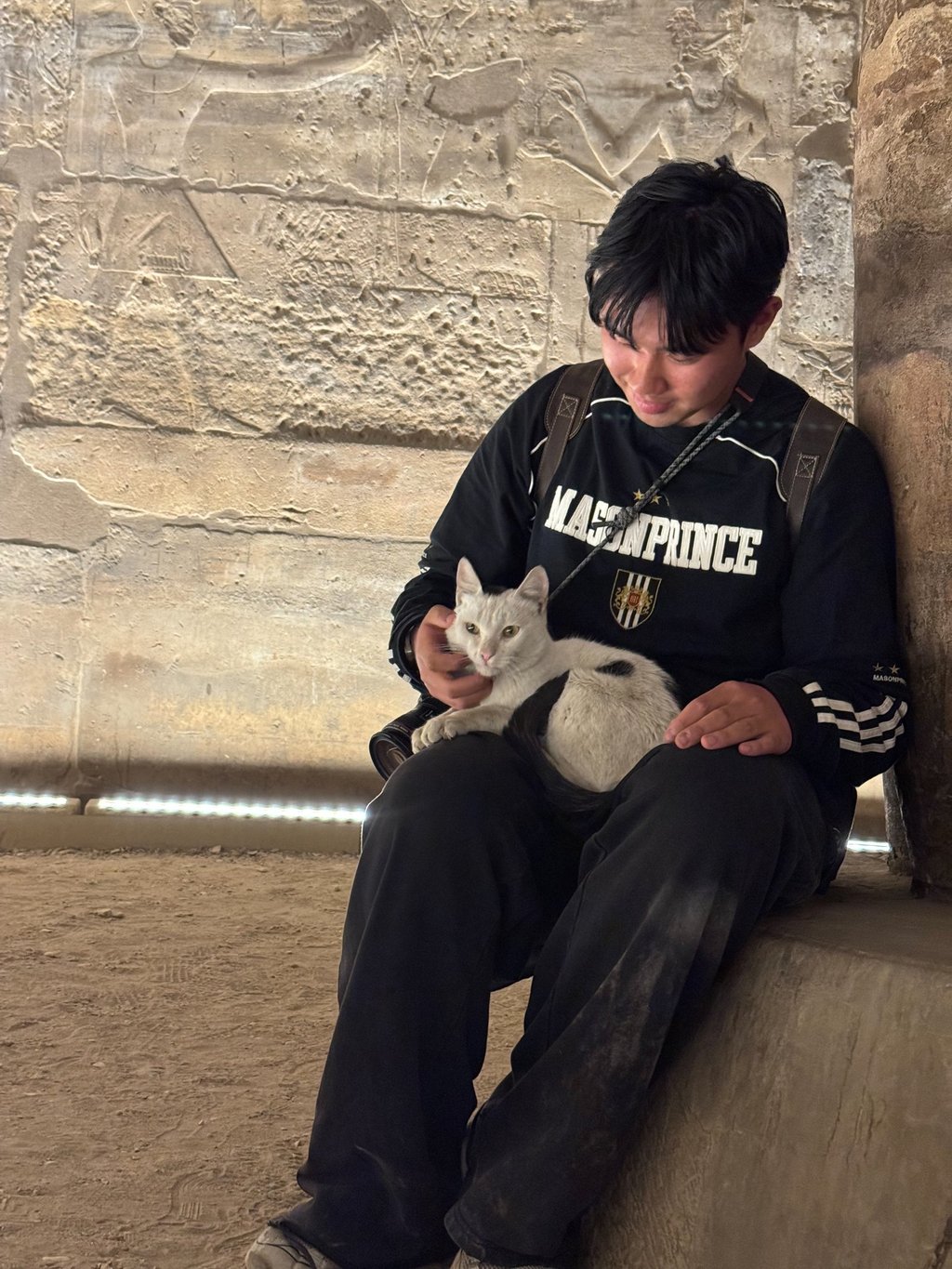
While the visuals of this temple were the reasons I came, the highlight of the day and perhaps my entire trip to Egypt was my interactions with a temple cat. While walking through the complex, I spotted a black and white cat that seemed playfully interested in me. I decided to sit down when the cat decided to jump into my lap, a surreal experience.
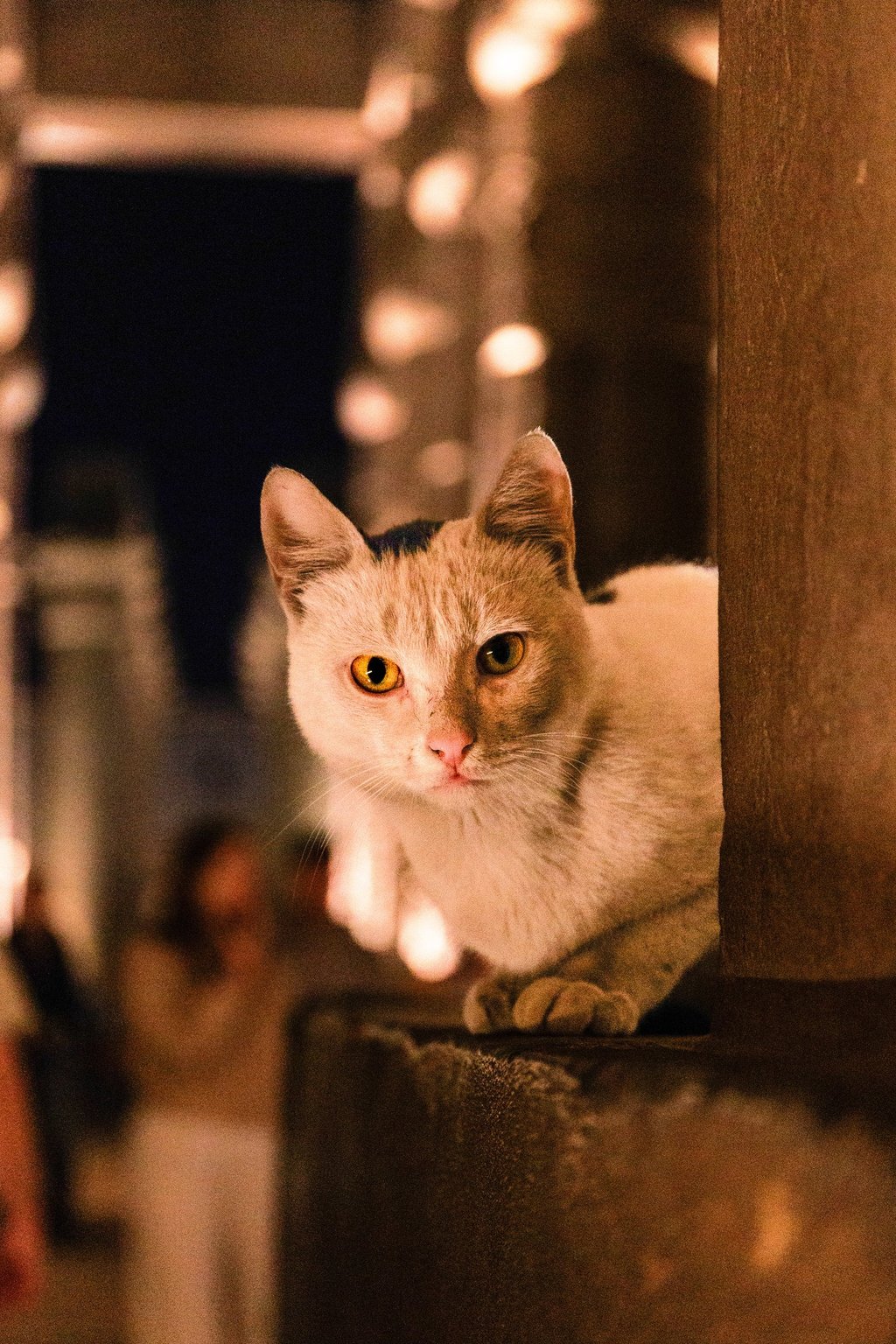
Egyptians value cats highly, sacred animals revered for traits such as protection, justice, and power. To be in a millennia-old temple at night accompanied by a temple cat; truly an ethereal moment.
Final Thoughts: