The Unseen West of the East: A Traveler's Kashgar Guide
How to get there, best places to see, & more
The Unseen West of the East: A Traveler's Kashgar Guide
How to get there, best places to see, & more


By Raphael M., a travel photographer and writer based out of New York City
Last Updated on June 20th, 2026
On the western edge of China, Kashgar is a city filled with living history, grand mountain landscapes, and immense cultural experiences. Few places in the world match Kashgar's ability to create lasting impressions upon visitors, my favorite city in the entire country.
It's located about 20 minutes from downtown Kashgar, and I don't think there was any public transport bringing you into the city (although I could be wrong). I booked a guide for the first week, so they picked me up right from the airport.
There are multiple places to stay in Kashgar, each depending on what your main objective is. Located on the eastern side of the Old City (which is the center of the city) is a bunch of hotels, which is where my tour guide booked me. This is a convenient location to the Old City, and right next to Kashi Tower. While this was a nice place to stay for a few nights, I moved to the western side, as there were a few more restaurants and was closer to some of the local markets.
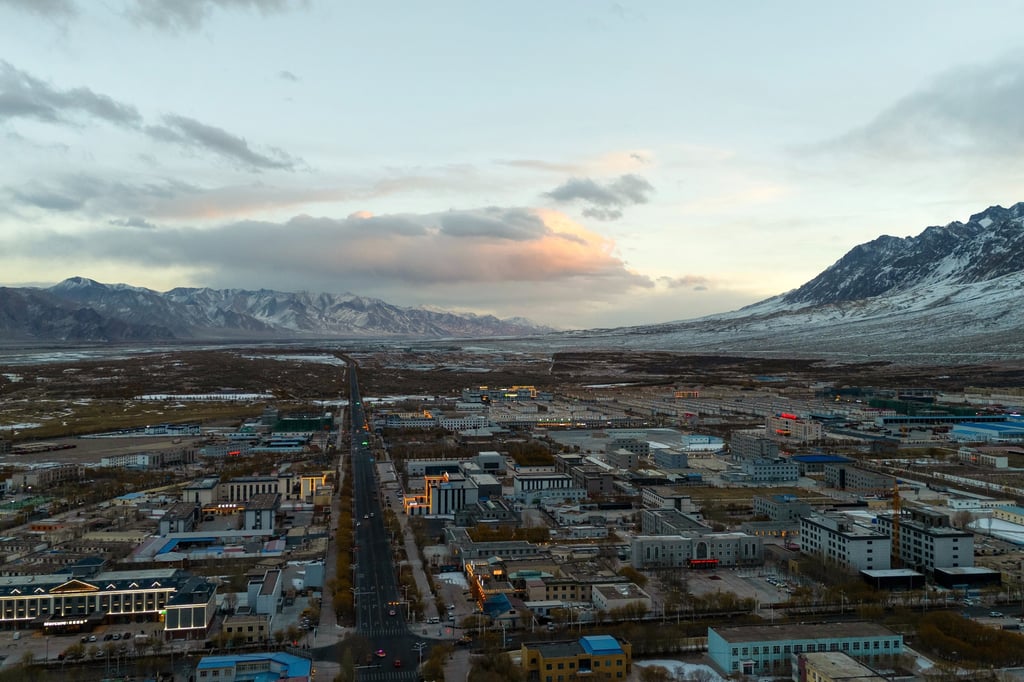
I would stay on the western side of the Old City, as it opens you up to a larger part of the metro-area compared to the east, where you're a bit cutoff from the rest of the city. I did visit Tashkurgan, which is the official western-most city in China. There isn't much selection in town, so I don't have any specific recommendations.
Outside of these three, I would recommend the Id Kah Mosque, Kashgar Museum, and the Farmer's Market (Niuyangrou Hall on Google Maps).
I could spend hours talking about what to do in Kashgar, but I think the main attractions can be condensed to 3 points: Old City, Karakoram Highway, and the Sunday Market and Animal Bazaar.
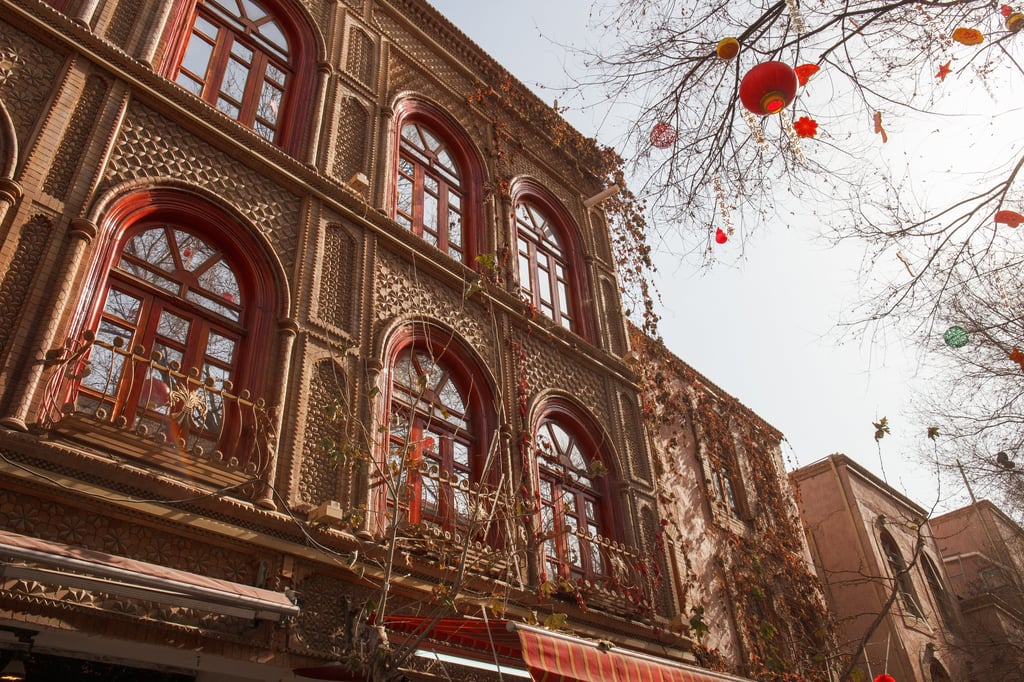
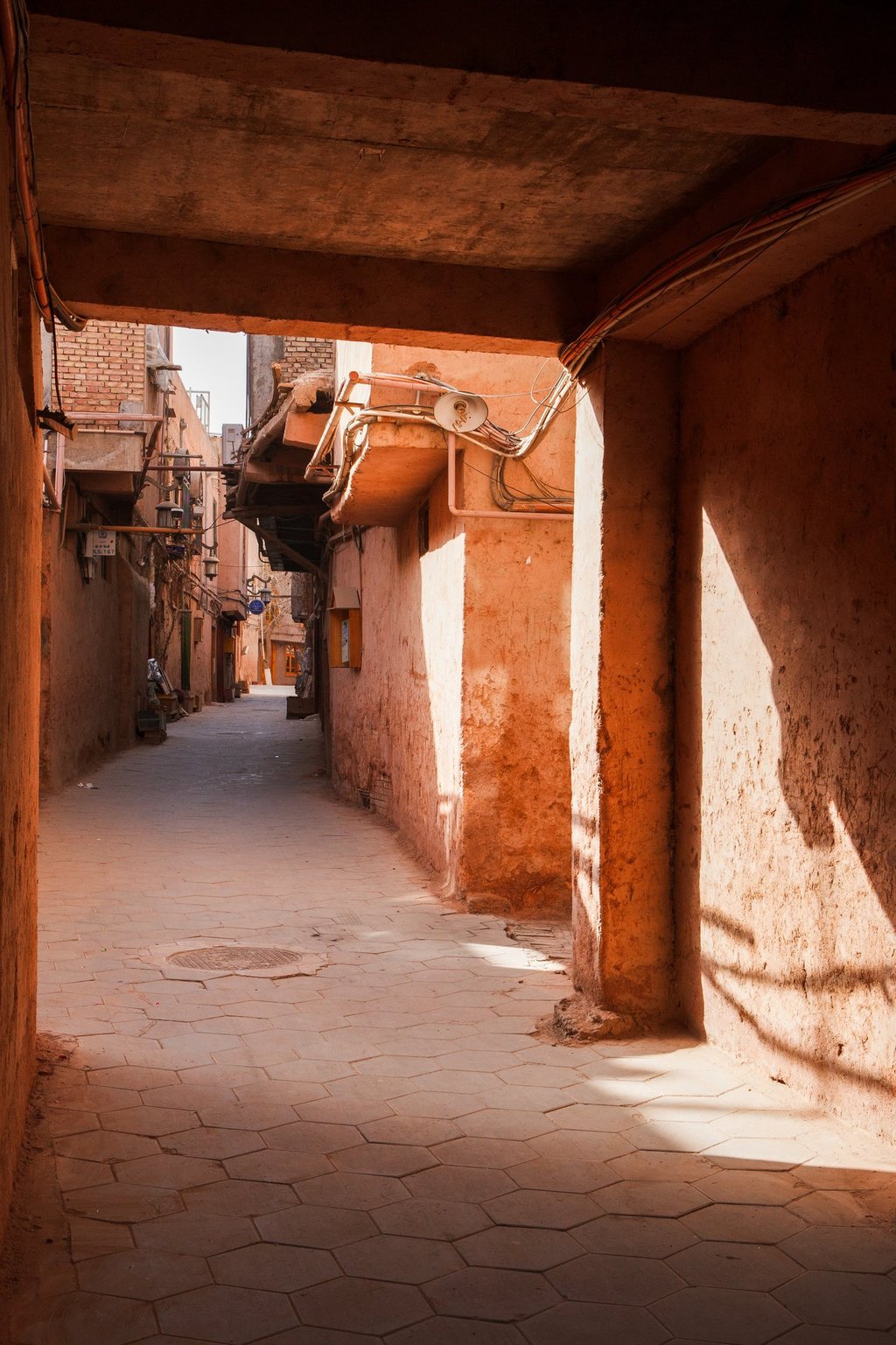
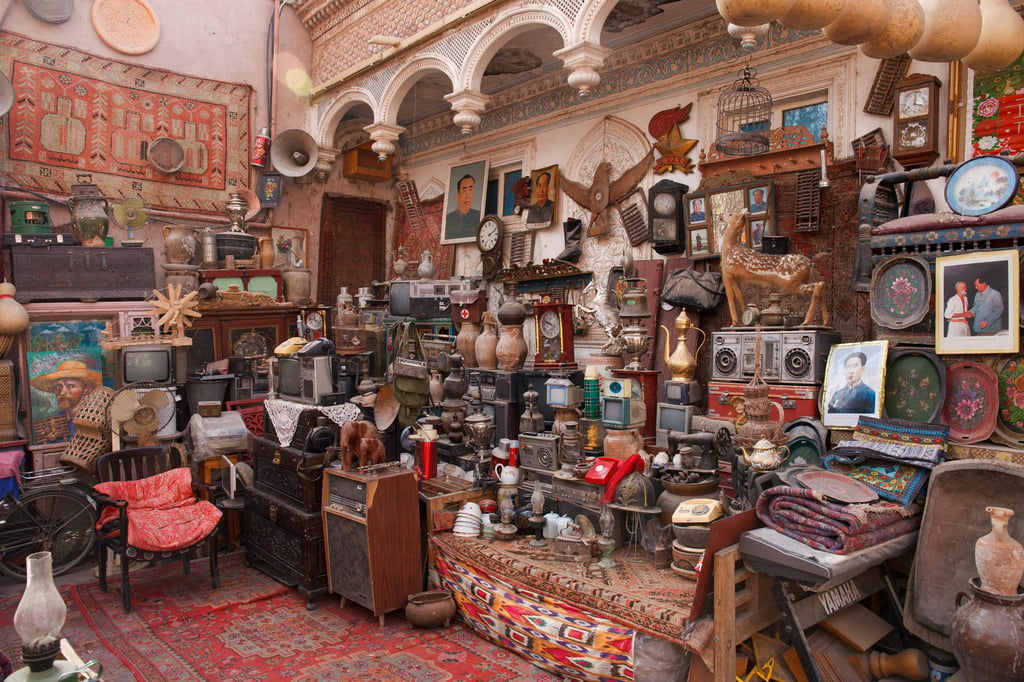
The Old City is a labyrinth of mud houses, teahouses, and Uyghur architecture. My first walkthrough of the city truly had me in awe. The people, the food, the buildings - it was like a completely different country. The Old City dates back over 2,000 years, as it was a major stop on the Silk Road, and the last stop before leaving the modern-day China.
Something I discovered was that the Old City was actually renovated due to earthquake concerns back in 2009. The Chinese government said this was a 'modernization' of the Old City, and ultimately for the wellbeing of the local populace.
On the western alley on the eastern section of the Old City were vendors lined with fur coats, hats, and more. From animals such as lamb, mink, and fox, you could find native Uyghurs selling exotic furs for cheap, much cheaper than anything you would find in the States. They were extremely warm and helpful in explaining the features of each fur, the process to make the garments, and sizing. I purchased the signature Uyghur Mink Hat, which can be found on pretty much every uncle in town.
There is also a plethora of teahouses across the city. Some offer a show, some are on a rooftop, and others offer specialized tea for specific health concerns. I would stop at any place that catches your eye, as you really can't go wrong.
I booked with a guide from Trip.com, where I spoke with a local travel agency over WeChat to iron out the details and to make a custom plan for my trip. Her name was Veronica, and she speaks perfect english so communication isn't a problem (or translators have gotten really good haha). Her WeChat ID is rongaaa8, and I'll have a photo of her WeChat code below. She was super helpful with creating an itinerary with all the places I wanted to visit, and worked with the budget I had available. I did visit Kashgar in late December, so it was the offseason in the region, but with enough time I think they can organize whatever trip you desire.
The main spots on the highway that I wanted to see were Baisha Lake, Muztagh Glacier, Karakul Lake, Oytagh Canyon, and Tashkurgan. Fortunately, there isn't much of a navigational problem, as they were all along the same stretch of road.
The Karakoram Highway:
If you are going to be driving the Karakoram Highway, which leads into Tajikistan and Pakistan, you will need to book a guide to get the correct permitting and access to these roads. I have seen people bike along this road, but I imagine you would still need to get permits and maybe special access. The best way to get a permit is to visit a local police station, give them your passport, and they'll give you a red slip that has your information and grants you access to this road. Most people registered at the police station in the Old City, but my guide drove to an outpost a bit out from the city to avoid lines. I'll give more details about the permits later on.
On the main road of the eastern section of the city, there were a bunch of food stalls each highlighting a specific Uyghur speciality. From Shawarmas, lamb stews the size of a hot tub, to special eggs that were absolutely massive, this street shows you the foods of the Uyghur people. Pilaf, a rice dish braised in meat broth, contains carrots, onions, and raisins, often paired with a large piece of lamb. This is a popular Eurasian dish, and across each country is a different version.
Every 20-30 miles was a police checkpoint, each manned with several officers checking permits, counting the people in the cars, and examining the back trunk of our car. These are standard checks similar to border crossings, and I had no issues. They did make me exit the car and walk into the building to hand in my permit to be photographed, but it was quick and easy.
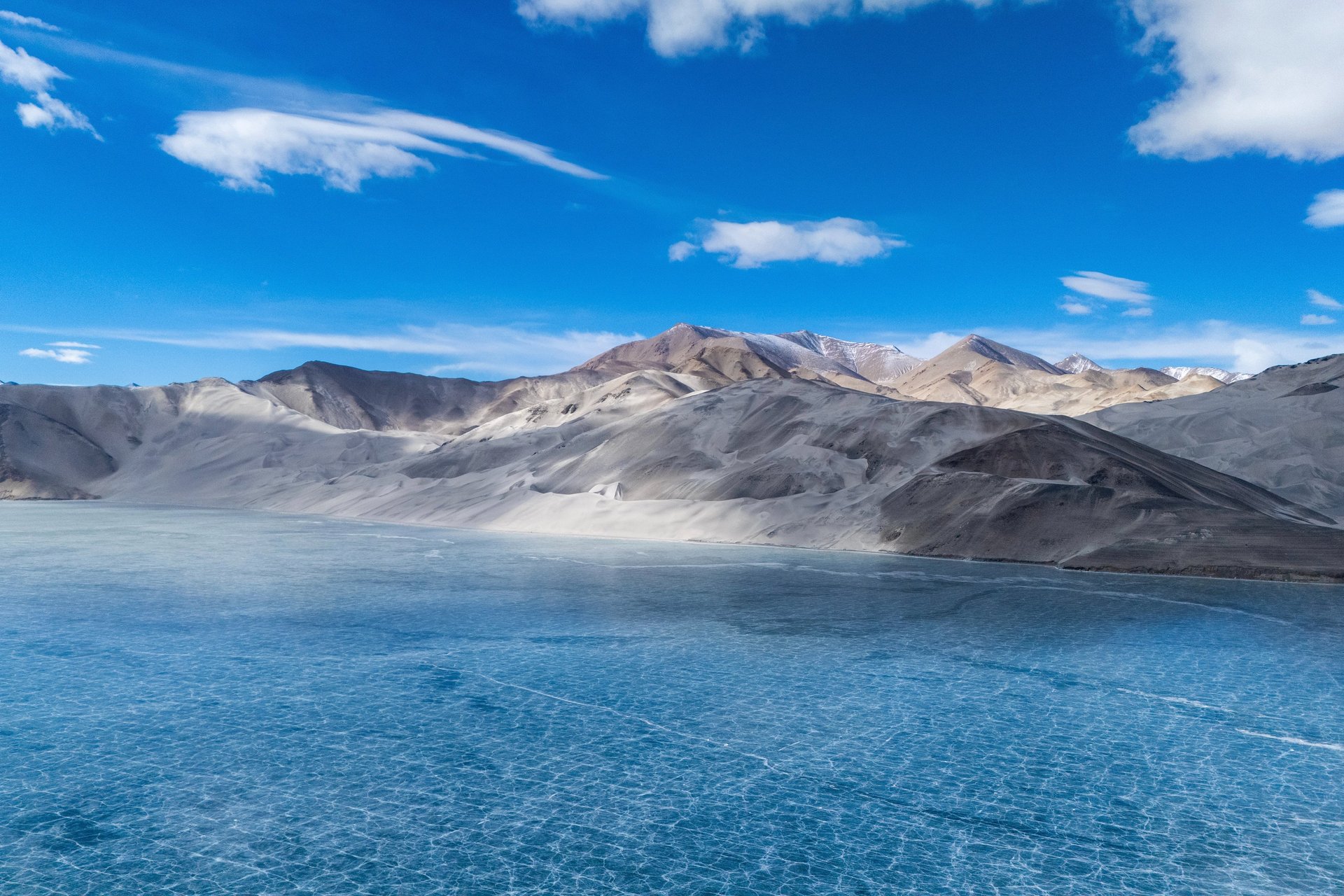
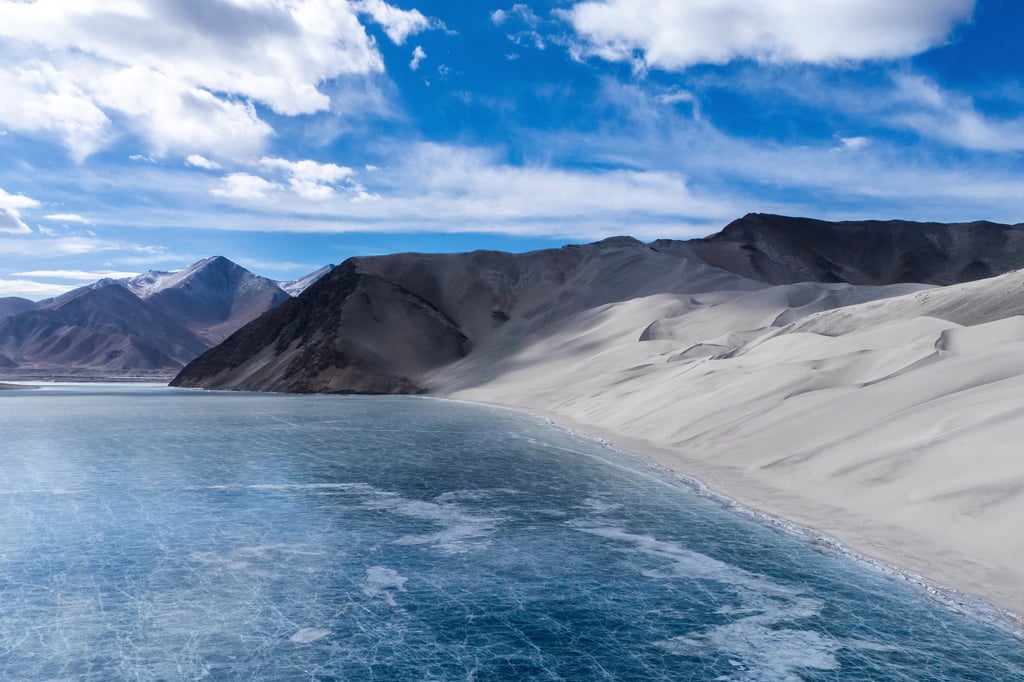
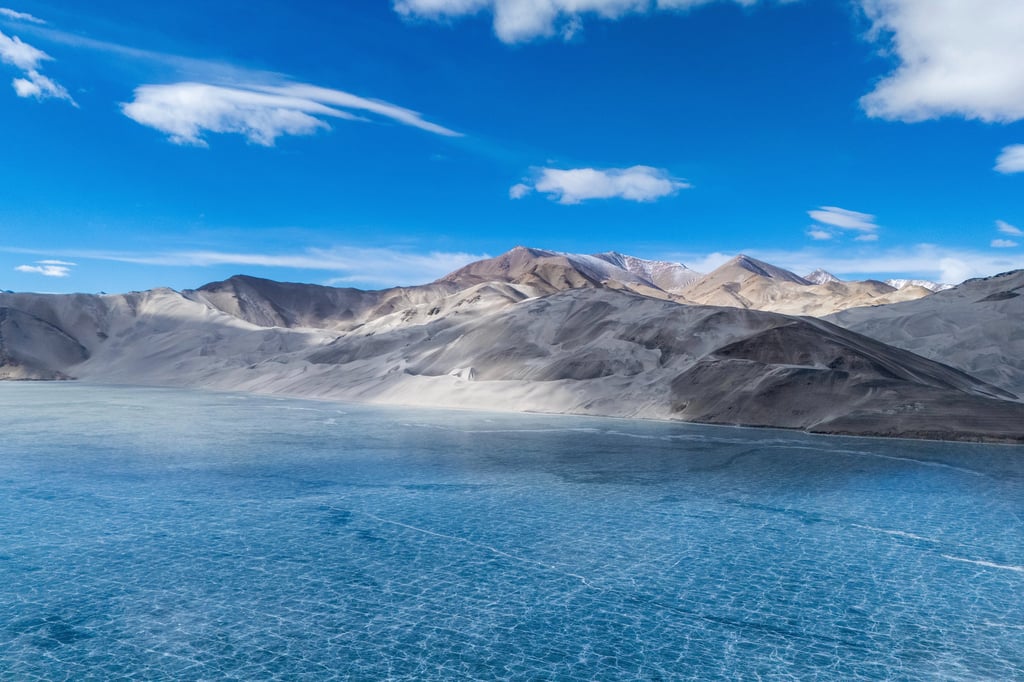
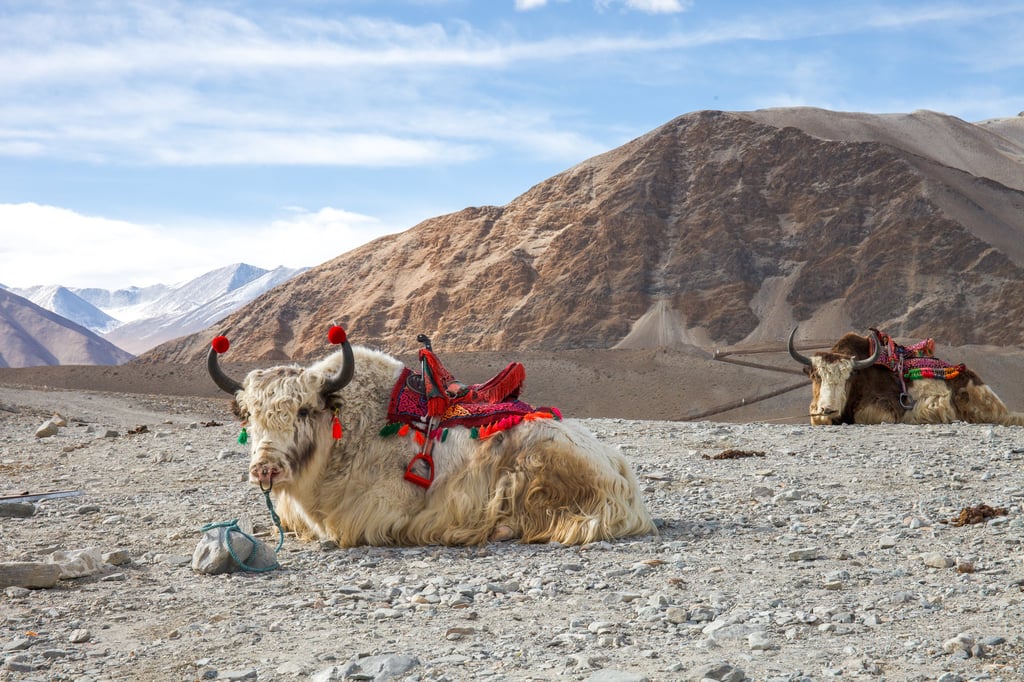
The next stop was Baisha Lake, a white sand dune located on the bank of a crystal blue lake. Because it was the peak-of-winter, the lake had largely frozen over, and with windy conditions, it was difficult to traverse around the scenic area. But with white yaks, ATV's, and amazing views, Baisha Lake did not disappoint.
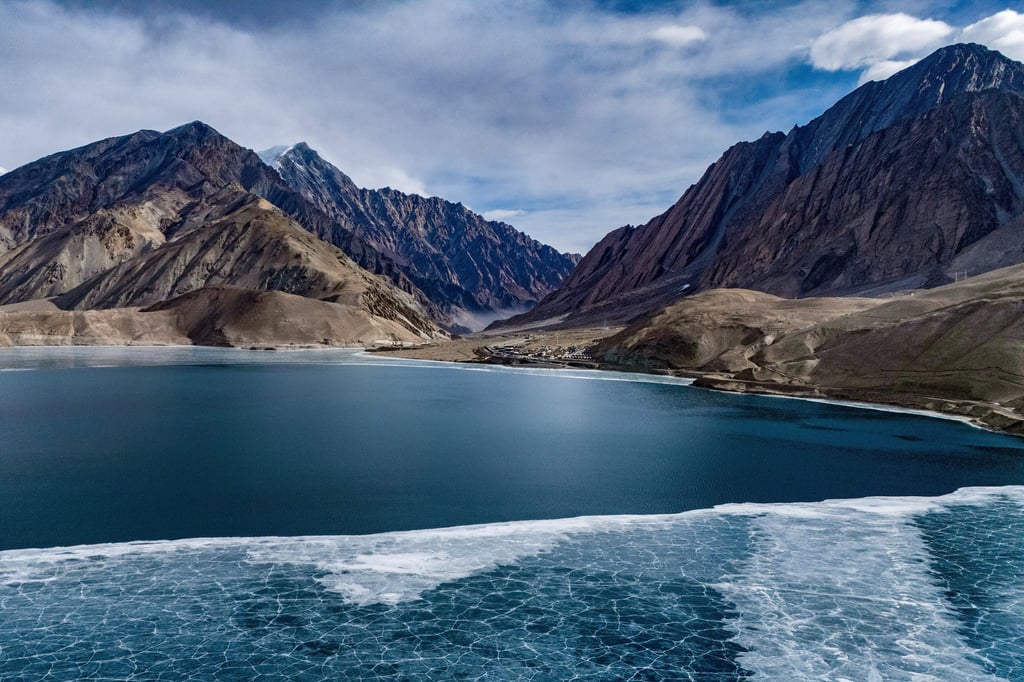
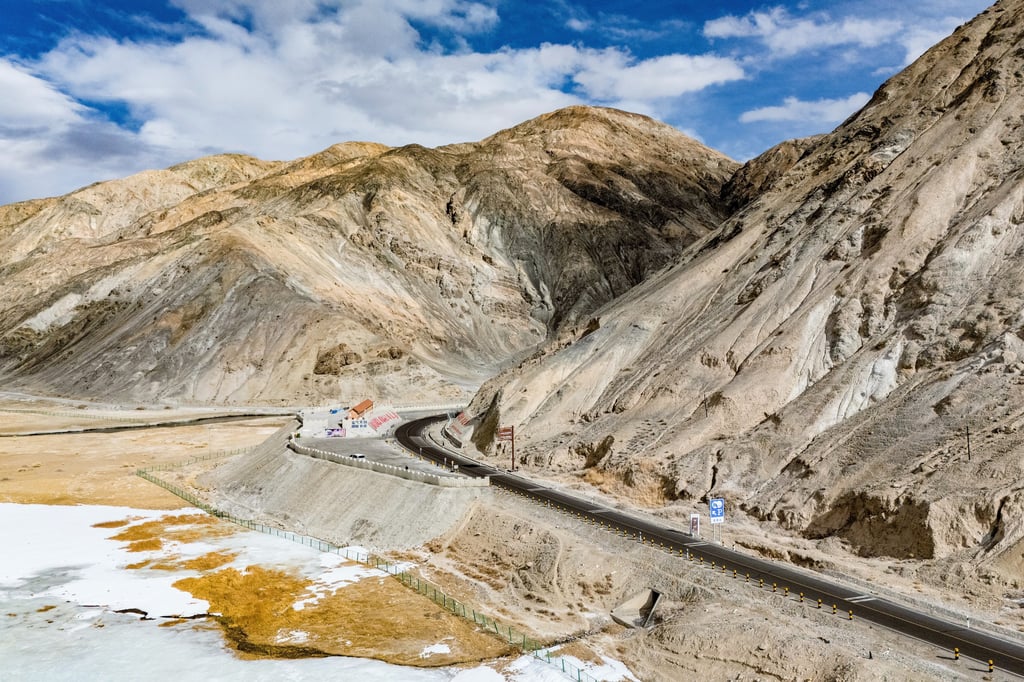
Some of the most beautiful spots on this highway were just the passing valley walls on the road. The scale of the mountains is incredible; you feel minuscule in scale compared to these large rock faces that get larger and larger the farther we went.
I spent the rest of the day walking around town. It's rare to find yourself in such an isolated town, hours from the closest major city. The people here, ethnic Tajiks, stood out the most. They looked so European, almost as if they weren't 'Chinese' at all. Speaking to them in mandarin was really fascinating, as they spoke fluent mandarin, yet you would never perceive them to. Like with all the people in Kashgar, everyone I spoke to was kind, helpful, and willing to entertain conversation through broken Chinese.

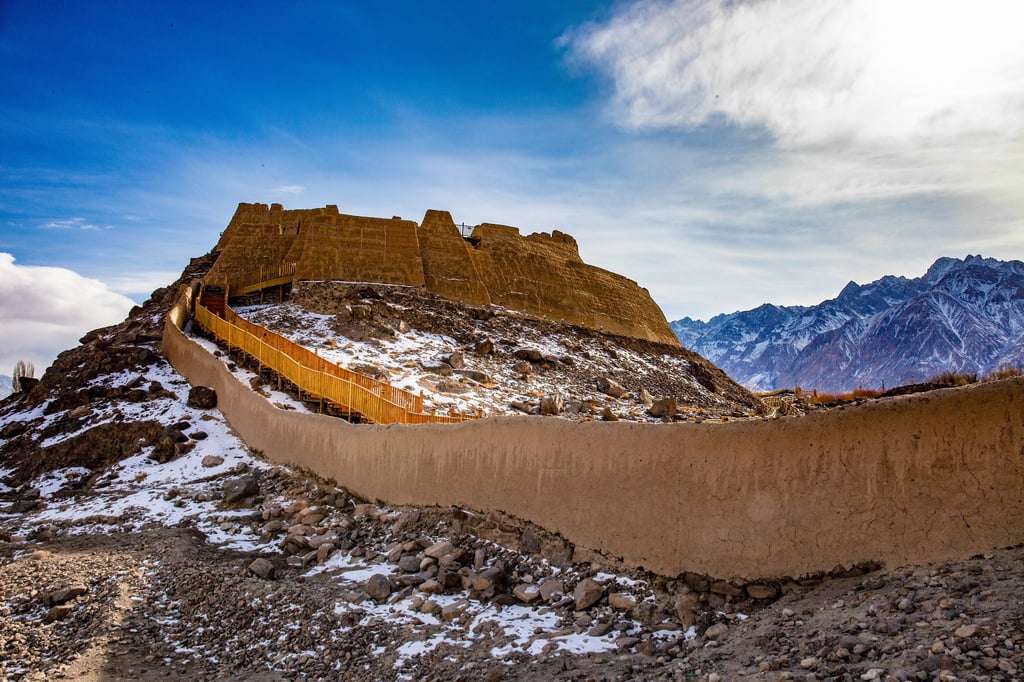
The next stop was Tashkurgan, where Wang brought me to the Ancient Stone City of Tashkurgan. It's a cool spot, where you can see the ruins of an old Stone City, and walk through a museum that showcases the history behind the formations.
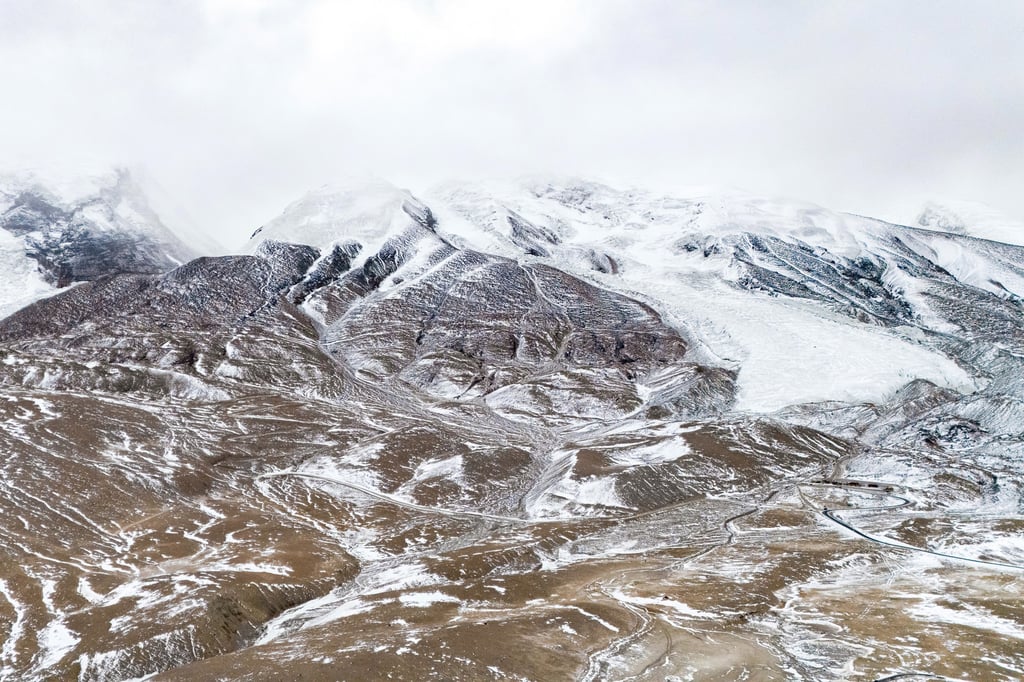
Unfortunately, it was a cloudy day, so there wasn't a ton of bright colors on the glacier. However, being that up close to a glacier, not to mention the immense altitude was a memorable experience.
Getting around Kashgar:
From the parking lot, they have a shuttle that brings you to the base of the glacier from the visitor center. They do wait until the bus is filled to drive up, as it is about 10 kilometers away.
How to get there:
The best way to get to Kashgar is by plane, flying into Kashgar Laining Airport. I flew in from Beijing, but I'm sure there are plenty of flights to Kashgar domestically; internationally might be a bit more difficult.
The next day, we started at the Muztagh Glacier, or Ice Mountain Father in Turkic Languages. It's the second highest mountain in the Tibetan Plateau at almost 25,000 feet. You can immediately feel the elevation in the parking lot, which was at around 19,000 feet. My guide handed me a can of air, which is essentially pure oxygen you can breathe to make it easier at these heights. I didn't feel the need to use mine, but if you have trouble breathing or pre-existing conditions, these can help you with the thin air.
Staying in Kashgar:
I mainly relied on walking, which is to say that Kashgar is a relatively walkable city. There were buses running throughout the city, but I didn't find a need to take the bus at all. If there was a location that was over a 20 minute walk, I used DiDi, which is the Chinese ride-share comparable to Uber or Lyft.
Main Things to Do:
The Old City:
The Old City is split in two, mainly because of the creation of a modern road that runs right through the city. Both sides offer the same stores and vibes, but I found the right-side to be more busy and filled with vendors.
While they did manage to maintain some of the original aesthetic appearance of the Old City, the modernization of the Old City shifted its identity and its true culture. They widened alleys to accommodate more tourists, and cut down on housing to make way for store vendors and restaurants. Commercialized stores were now nestled in an ancient town, with metal detectors at every entry point. While the restoration of the town may have had valid reasons, its reconstruction changed the energy of what this place was, and the lives of those who lived and worked in it.
The Karakoram Highway, often cited as the world's most dangerous highway, is a 1300km long road that connects Pakistan to China. It cuts through the Karakoram mountains, and is one of the highest paved roads in the world, home to the highest border crossing in the world, the Khunjerab Pass. The route I opted for was from Kashgar to Tashkurgan, the further point you can travel to without crossing into Pakistan.
I will preface this to say that this journey is not cheap. If you are a solo traveler, this is quite the expenditure for a 3 day trip, and isn't the most cost-effective thing to do by yourself. I booked a 4-day 3-night travel plan that included 3 4-star hotel stays, a private driver, and covered admission fees to all tourist attractions. It cost 5000RMB (700USD), and was the most affordable option I could find for me. I couldn't find a bus/communal trip out to Tashkurgan (although I am confident they have them) and personally prefer to move at my own pace. If you are with a group, this is much more affordable, and I would urge you to book a longer tour, like a 10-12 day tour that brings you into either Pakistan, or explores the Taklamakan Desert.
The journey starts early, around 7:00am. Because of the one time-zone across China, the sun rises much later in the day in Kashgar, so the sun didn't fully rise until 8:30am. My driver's name was Wang, and he was from Urumqi, another city in Xinjiang about 13 hours west of Kashgar by car. You'd need to cross the Taklamakan Desert to get there, and shows the scale of how large this region really is.
It's important to know the rules of the road on the Karakoram Highway. In my guide's car was a machine that tracked the speed limit, distance traveled, and how long the car had been on during the day. In order to restrict the number of accidents on this remote road, I'm assuming the government puts these trackers in to force drivers to take breaks, only cover a certain amount of mileage a day, and keep a safe passage through the remote mountains. We were forced to stop about 2 times across the journey, but it didn't bother me, and I think safety precautions are necessary in these conditions.
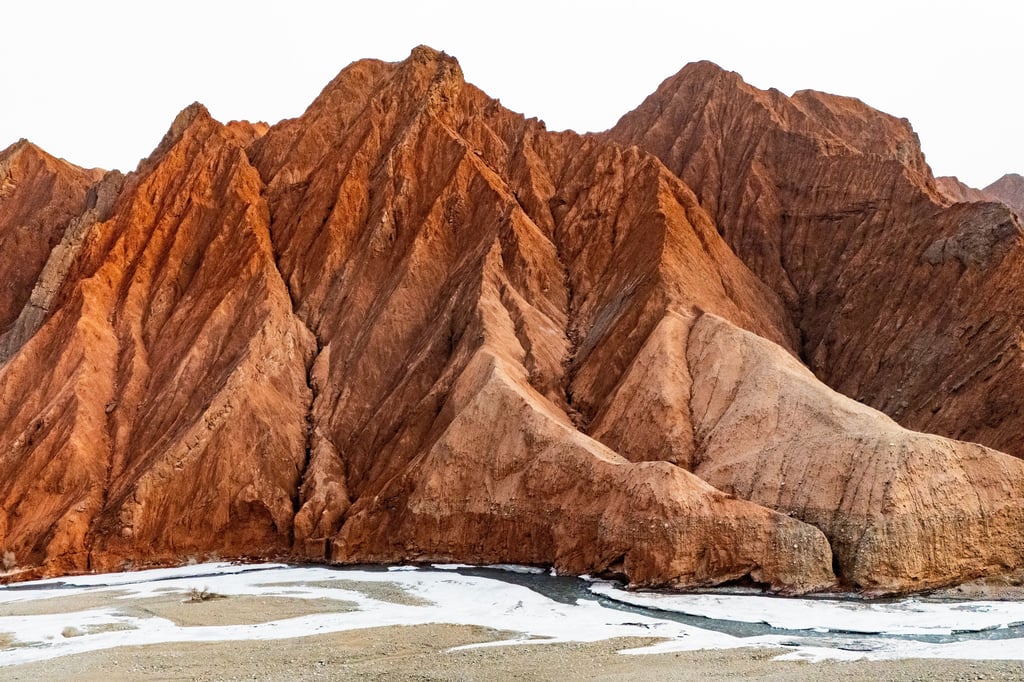
The first stop was Oytagh Canyon, which is a red-rock valley carved by a glacier blue stream running below. It was a great first stop, and a nice place to get the drone in the sky.
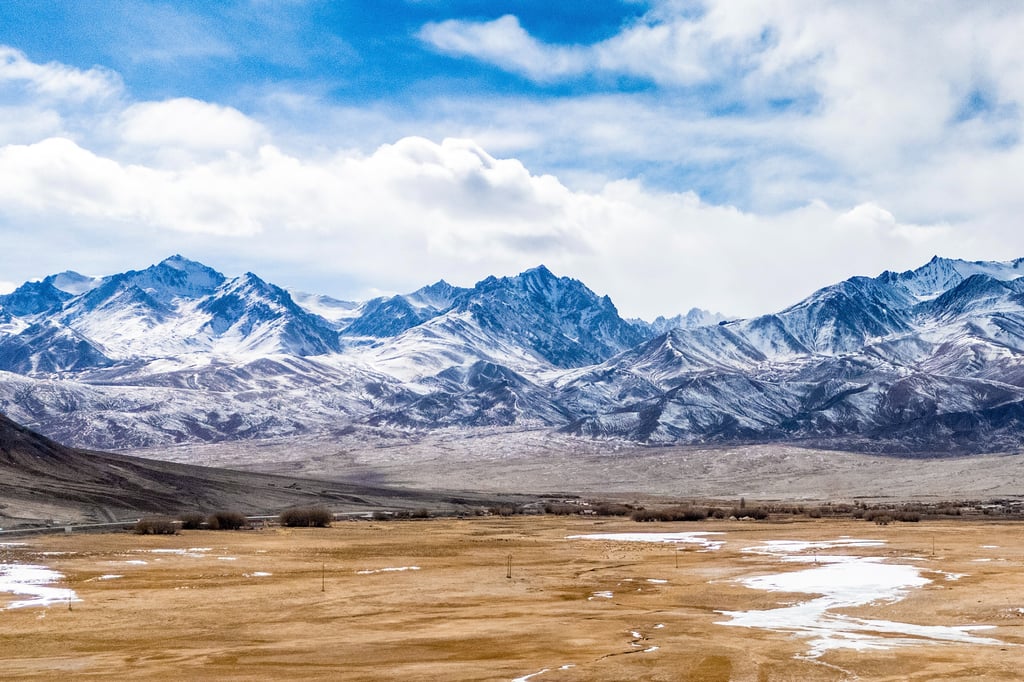
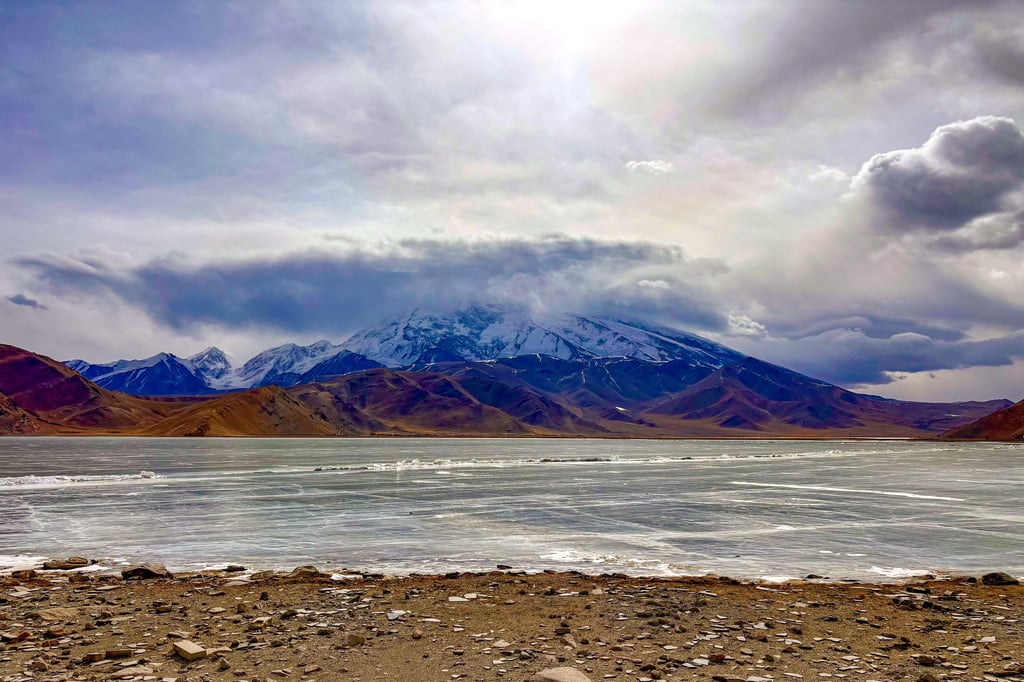
After the glacier we made our way to Karakul Lake, the crown jewel of the Chinese section of the Karakoram Highway. As my luck would have it, my camera's shutter stopped working right as we drove by the lake, where the last frames of my trusty camera would capture the beauty of this amazing lake. I hope to come back here with a working camera, and with a bit more sunshine and clearer skies next time.
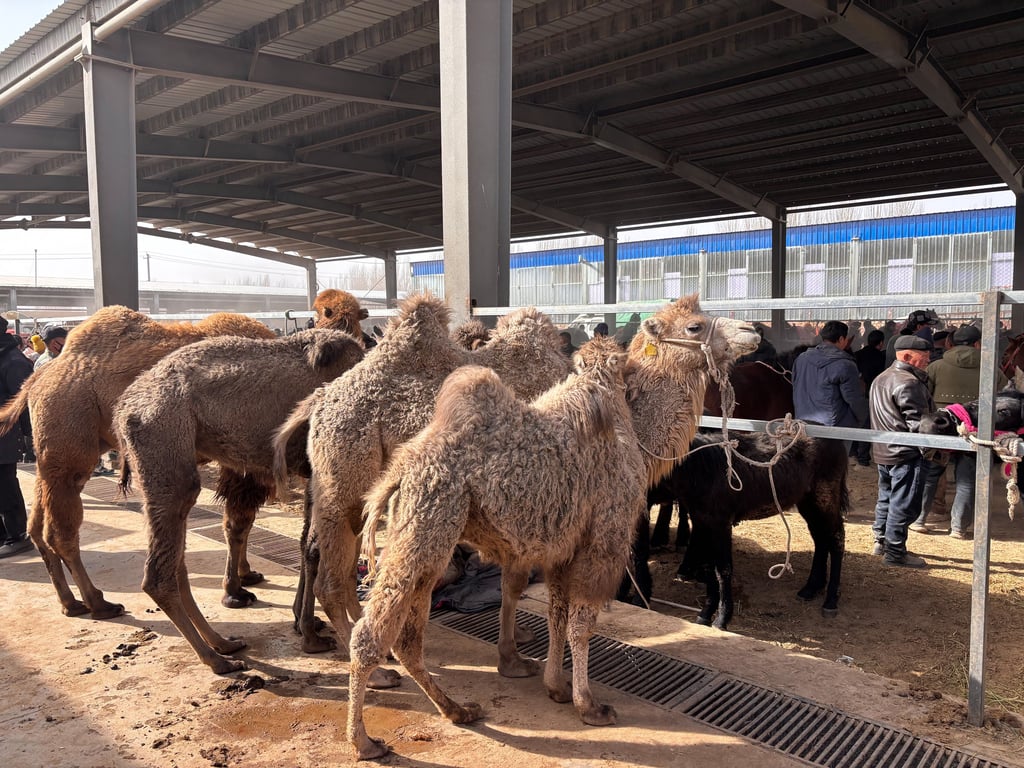
Every Sunday about 30 minutes from downtown Kashgar is the Sunday Market and Animal Bazaar, a marketplace for livestock, spices, and clothing. This very market used to be located next to the Old Town in downtown Kashgar, but was moved by the Chinese government because of 'sanitary' concerns and the smell of animals. Although removed from the main city, the bazaar was still as lively as could be, with thousands of locals coming to sell and barter livestock, or eat at the plethora of restaurants serving fresh meat.
The Sunday Market and Animal Bazaar:
This was the end of my journey on the Karakoram Highway. If you have the ability to take this roadtrip, DO IT. This is a once-in-a-lifetime drive on an impossibly constructed highway, offering some of the greatest mountain views in the world. And, because of its accessibility, pretty much anyone can do this journey, with the only real difficulty being getting out to this part of China and finding a tour group. Like I mentioned before, I would recommend a longer journey than mind time permitting, but if not, this 3-day excursion provides plenty.
Unfortunately, because my camera broke on the last journey, I only have iPhone photos. I definitely want to return to do this place justice.
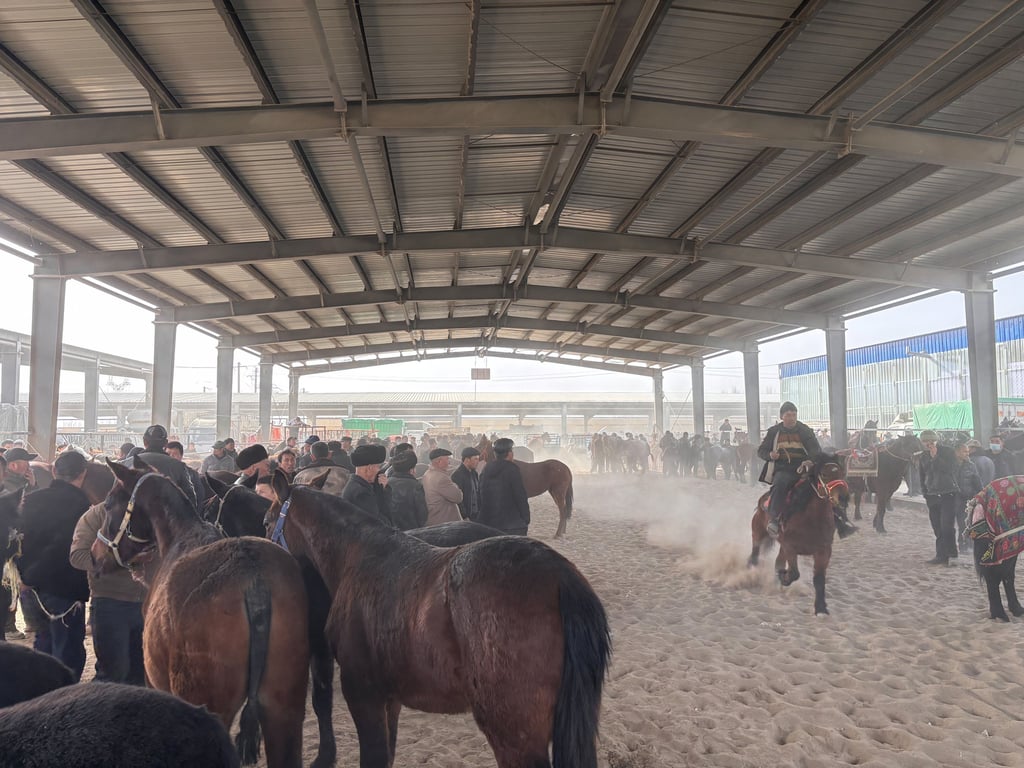
The Market area is on the left side of the complex, home to the clothing, vegetable, and prepared food vendors. The right side of the complex is where the livestock get sold and distributed. Under large metal awnings, hundreds of sellers and buyers group together, negotiating, inspecting, and closing deals all in one place. This place was the definition of controlled chaos - it seemed like no one knew what was happening, but under control at the same time.
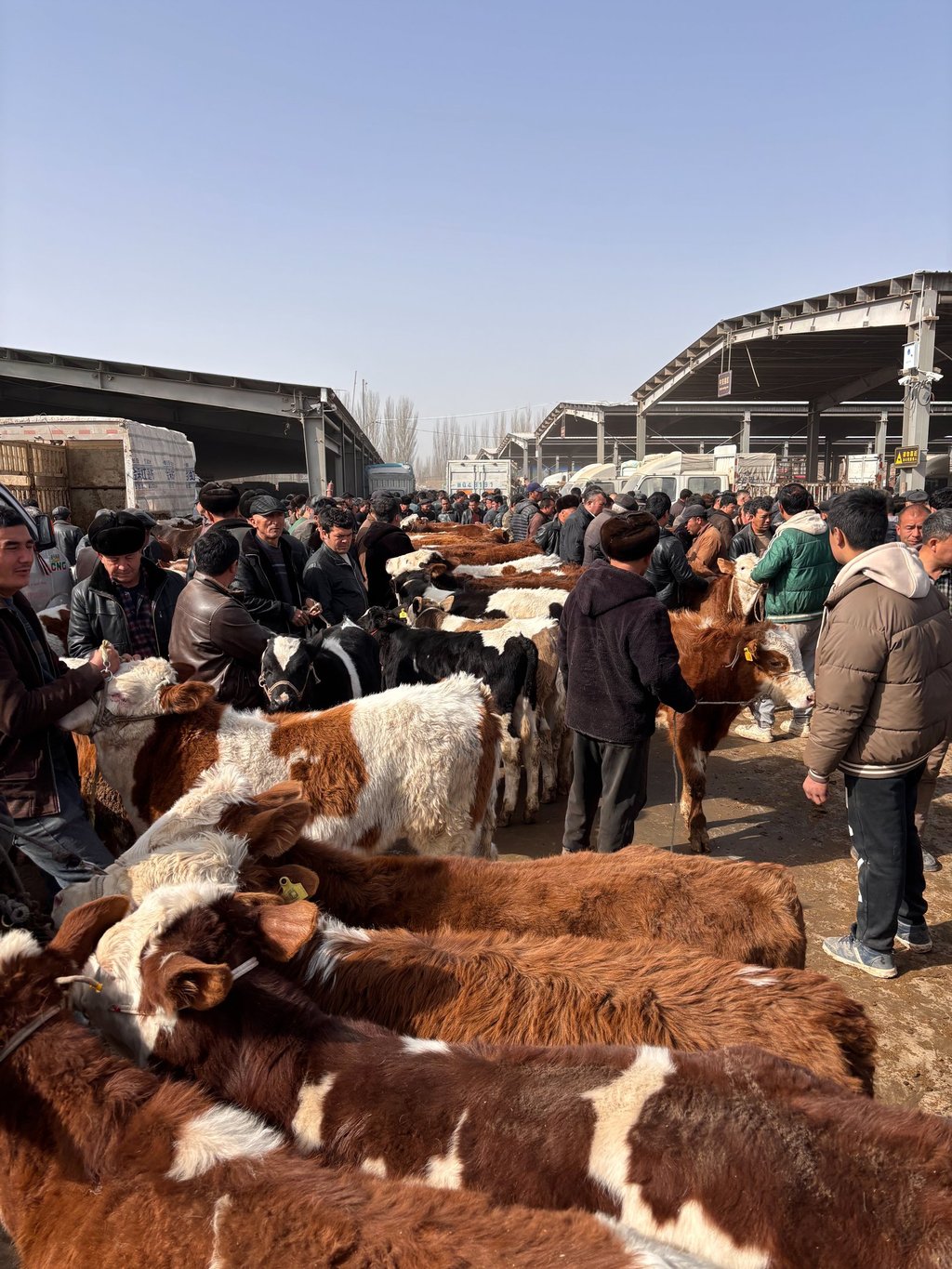
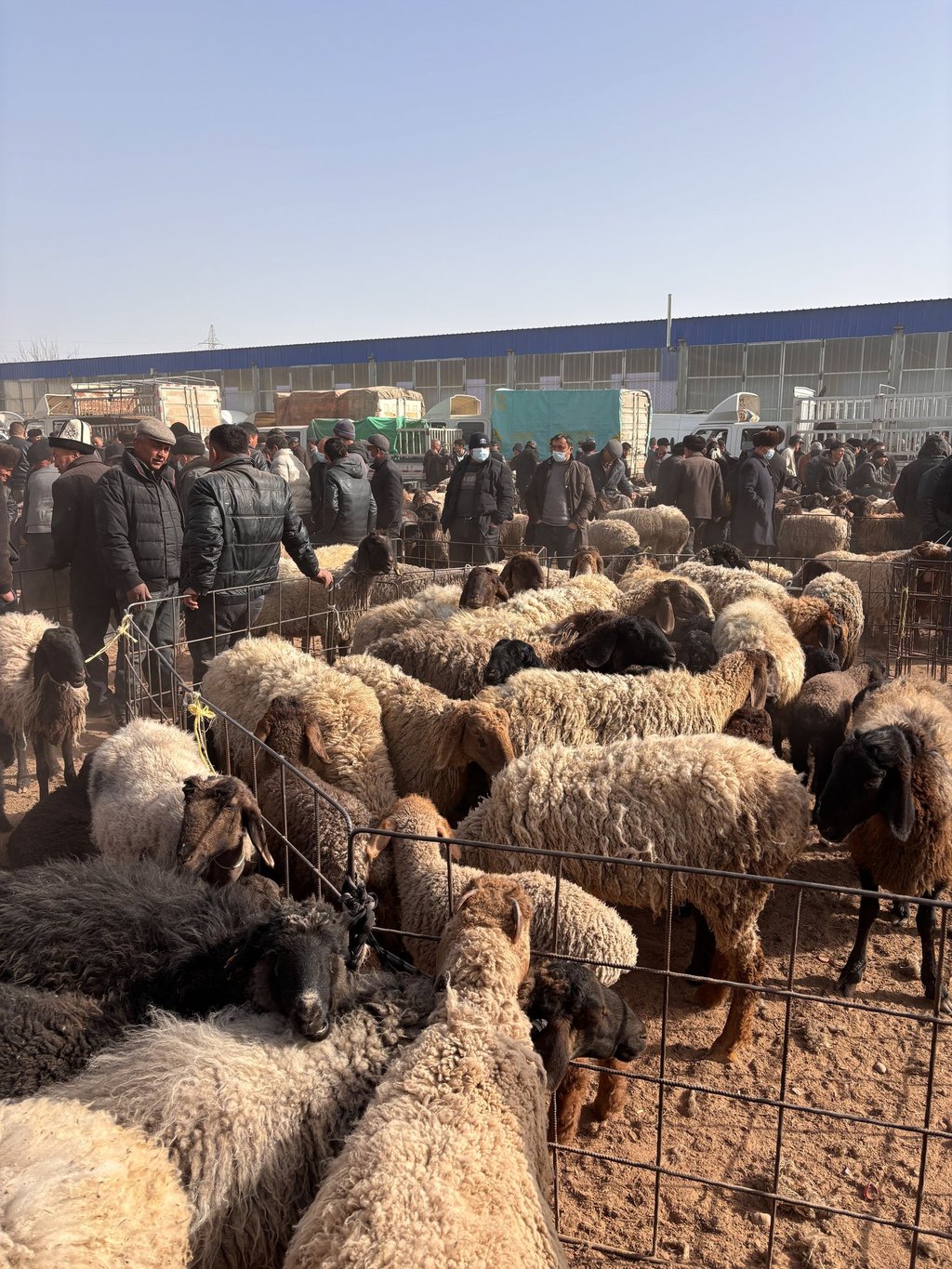
Sellers would keep sheep on ropes attached to their faces, with each seller holding 5-10 sheep at the same time. Cows and bulls were also kept on rope, but attached to metal railings underneath the large metal awnings. Lambs were kept in large pens, with 20-50 lamb in each section.
I've never seen so many animals so up close and personal. I was pushing my way through cows and sheep, narrowing avoiding the disgruntled bull pushing through the crowds, or the hundreds of Uyghurs aggressively negotiating for animals. This was one of the best moments of the trip, as it truly felt like a local experience that was kept for thousands of years, a marketplace that looks the same as it did during the prime of the Silk Road.
There were also camel and horses at the market, but I don't think these animals were strictly sold for meat, rather for transport or farm work. There was a horse pen where local Uyghurs would sprint the horses up and down the pen, showcasing their speed and athleticism.
Seeing animals being sold and traded this way may seem brutal, but it seemed much more ethical compared to traditional industrial farming. Compared to being stuck in an industrial feedlot all day, these animals seemed healthy and energized. This market bridges the gap that many of us have between our food and where it comes from. It made me value the life of the animals that much more, and what they provide for us.
While walking through the marketplace was quite dirty, as it is impossible to navigate without getting animal waste all over your shoes, this is a extremely unique experience, reflective of traditions that have stood the test of time. Many of the tourist didn't walk through the animal section like I did, and stuck to the just the market place. I recommend bringing a set of clothes and shoes JUST for this marketplace and disposing of them afterwards.
Other Things to Do:
Those three are the must-sees in Kashgar. If you have more time, you can visit the Id Kah Mosque. It is the largest mosque in all of China. It did seem well maintained, but access to the mosque was limited, and there wasn't much to see. It is located between the two sections of the Old City.
The Farmer's Market that was across from my hotel (Niuyangrou Hall on Google Maps) was really interesting, as it was a true local market. There was a wholesale market and consumer market - both had everything you'd want or need. Something I discovered here was Kashgar's version of Naan, a large disk of bread roasted in a fire oven then basted in butter. I'm going to link a website here that details the process and history behind this naan; its a great read.
I didn't get a chance to go the Kashgar Museum, but I imagine it gives you a bit more background knowledge of the region.
Final Thoughts: