Boulders, Trees, and Sunsets: A Traveler's Joshua Tree Guide
How to get there, best places to see, & more

Boulders, Trees, and Stargazing: A Traveler's Joshua Tree Guide
How to get there, best places to see, & more


By Raphael M., a travel photographer and writer based out of New York City
Last Updated on July 3rd, 2026
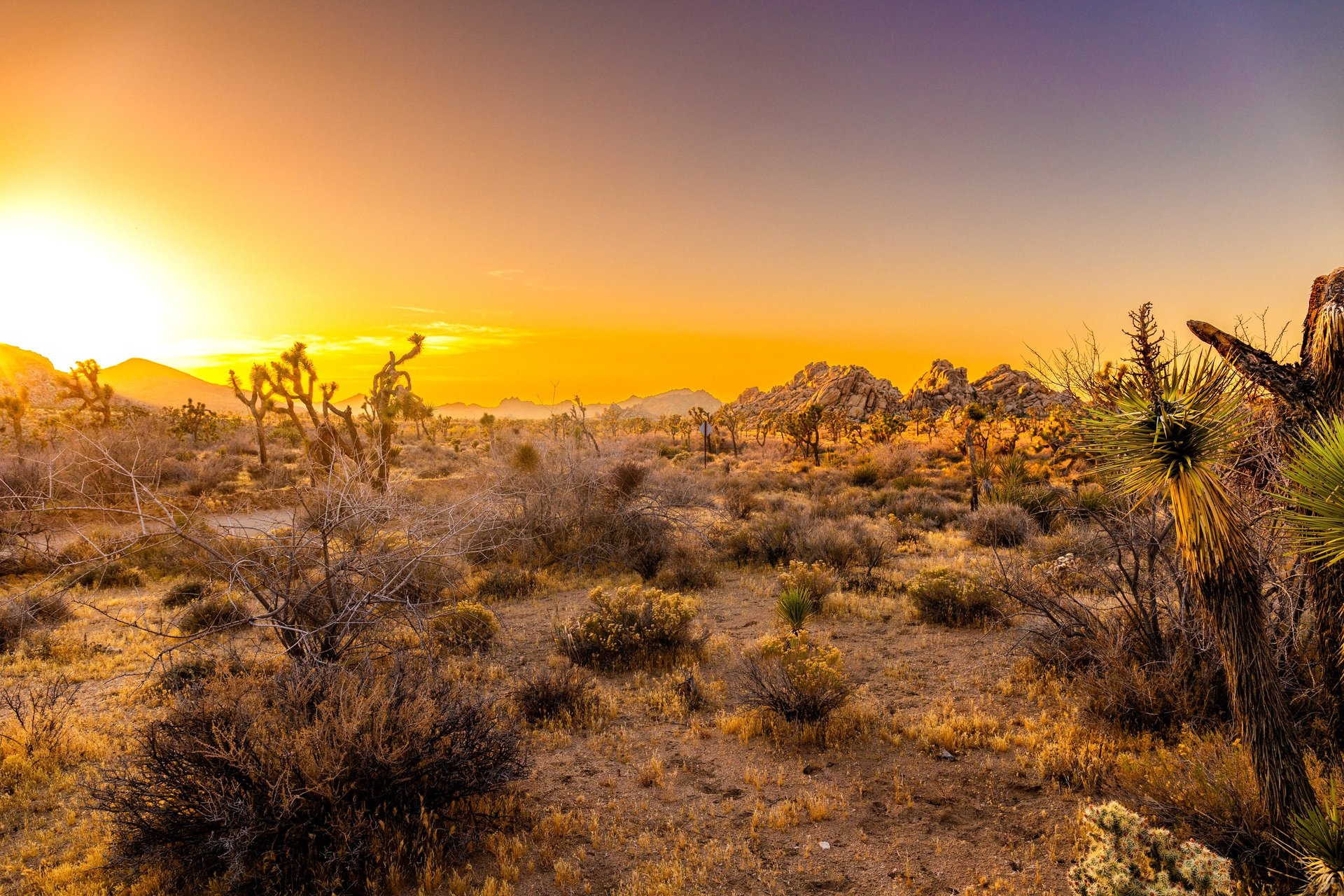
Covered in yucca-trees and desert mountains, Joshua Tree National Park offers some of the most picturesque views in the continental United States.
Joshua Tree is roughly 3 hours from downtown Los Angeles, only accessible by car. As with most National Parks in the US, having a car is a necessity, as there is no transit system within the park or official services to get you to the entrance.
There are multiple entrances to the park, with the most popular being the West Entrance Station. While it is the most convenient, expect long lines and extended waiting periods, especially during busier seasons and weekends. I would recommend the North Entrance Station, as it's only another 20 minutes but is sure to have shorter lines to get into the park.
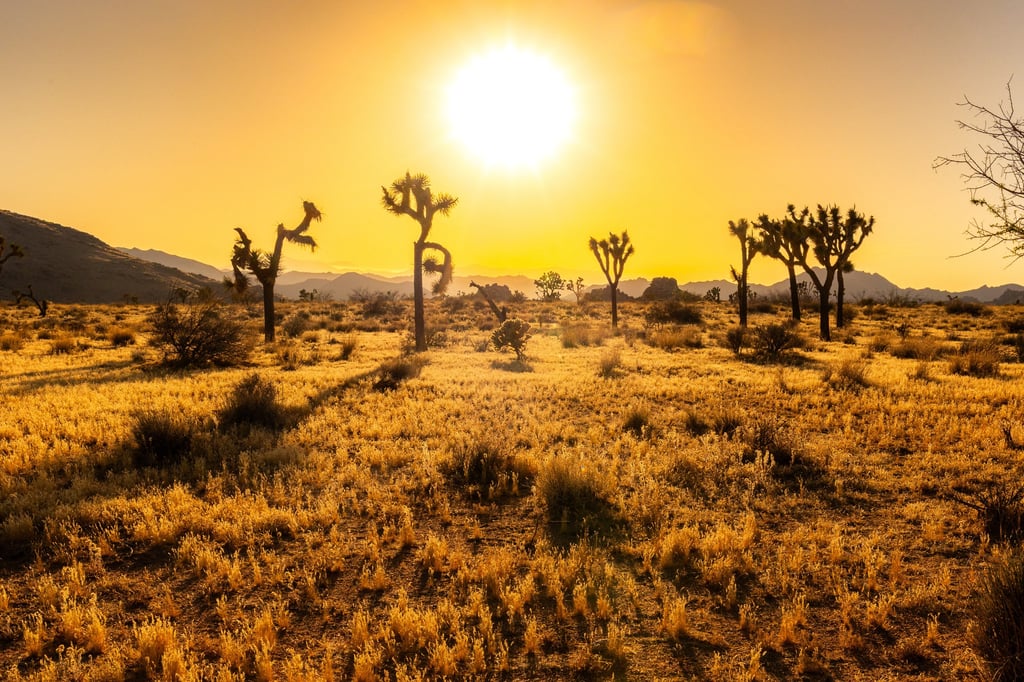
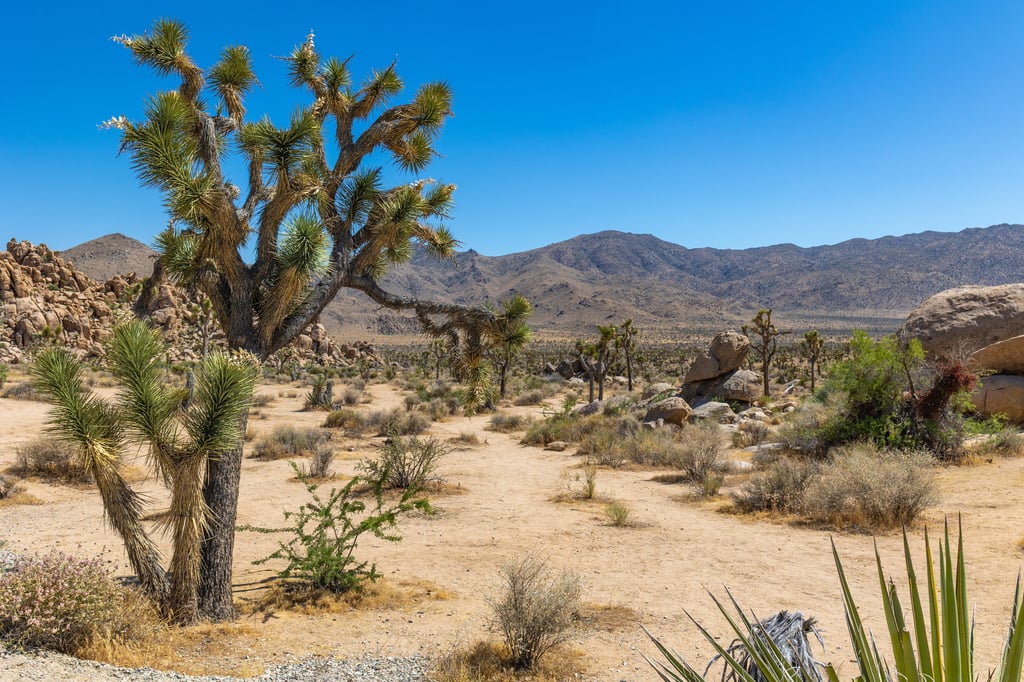
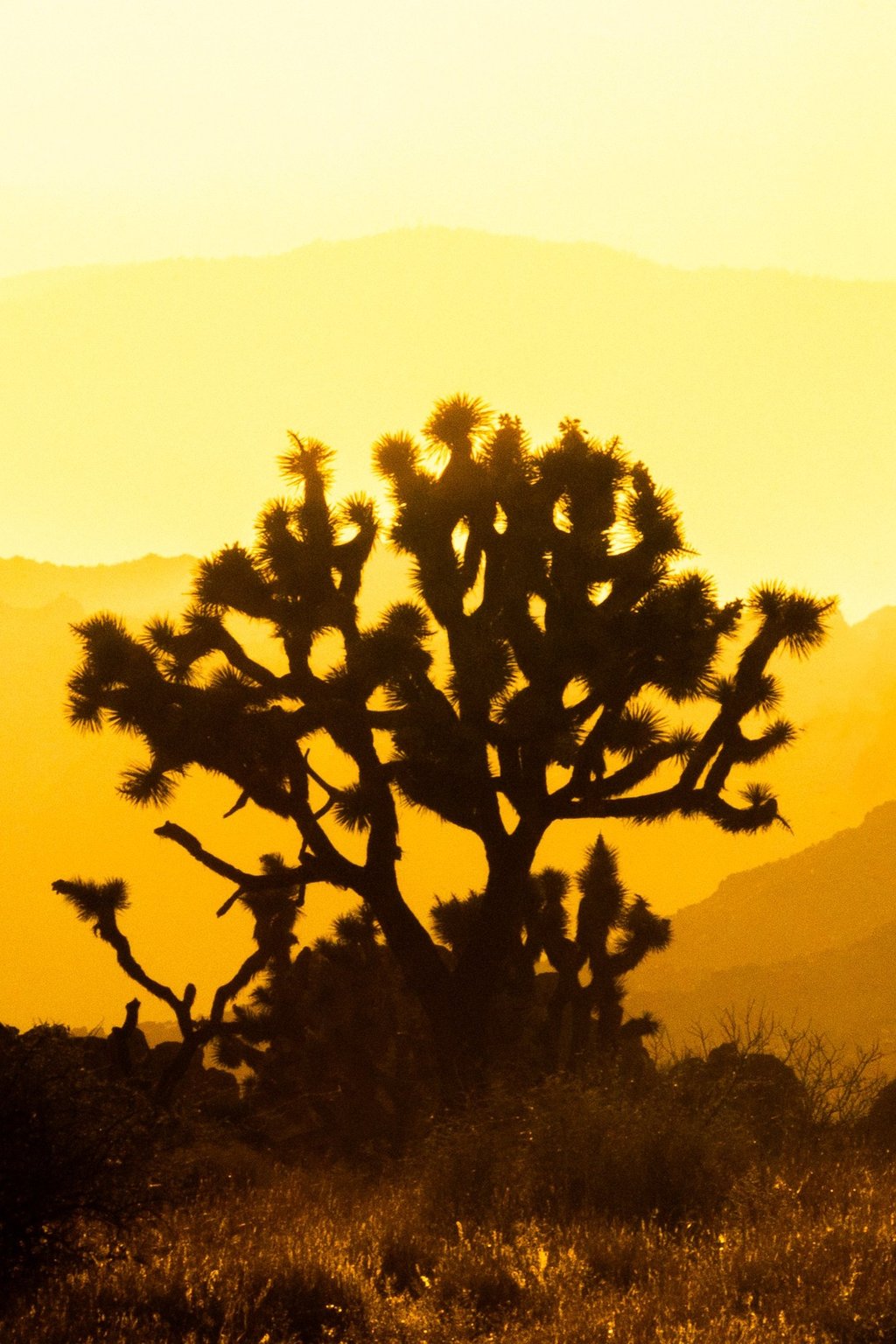
Joshua Tree National Park is home to the Yucca brevifolia, the alien-like trees Joshua Tree is known for. The species is only found within the Southwest of the US and Mexico, and are actually succulents, not trees. They received their name from a group of Mormons traveling through the desert using the trees to guide them, giving them the name Joshua after a story in the bible.
There are few places in the world where you can find such dense, large groups of vegetation in such a harsh landscape, a contrast that is perfectly exemplified in this National Park. Combined with its accessibility from DTLA and dark skies, it's the ideal escape from the hustle of the city.
There are 9 campgrounds within the park, booked mainly through a reservation system. There are first-come first-serve sites, but they are limited in nature. I would recommend the Cottonwood Springs campground, as they offer the darkest night skies in the park, and is closer to the prime sunrise spot in the park, Cholla Cactus Gardens.
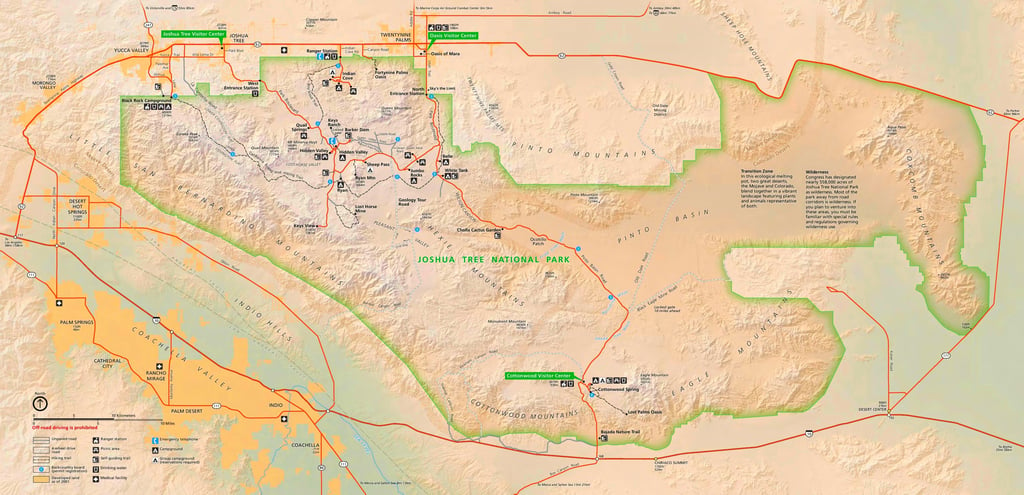
If you aren't camping in the park, there are plenty of options in the neighboring towns and localities, primarily in Coachella Valley. This is where we stayed, and was about 30-45 minutes from the Southern Entrance of the park. If your main goal is to catch sunrise, sunset, and night views, I would try and stay in the park, as it cuts the commute-time, and makes those early mornings a bit more bearable.
In my opinion, Joshua Tree is a perfect 2-day National Park, but could also be done in 1. The park itself isn't immensely conducive for hiking/treks, as the desert heat can be immensely dangerous if you are underprepared.
My biggest recommendation would be to stop alongside the road, wherever you see a large concentration of the yucca-plant trees. Some of my favorite photos I took in the park were stops along the road, not specific sites. Make sure to adequately pull over in an appropriate pull-off and to have your hazard lights on.
Stargazing is also a major attraction at this park, as it is designated a Bortle 2 site with some of the darkest skies in the US.
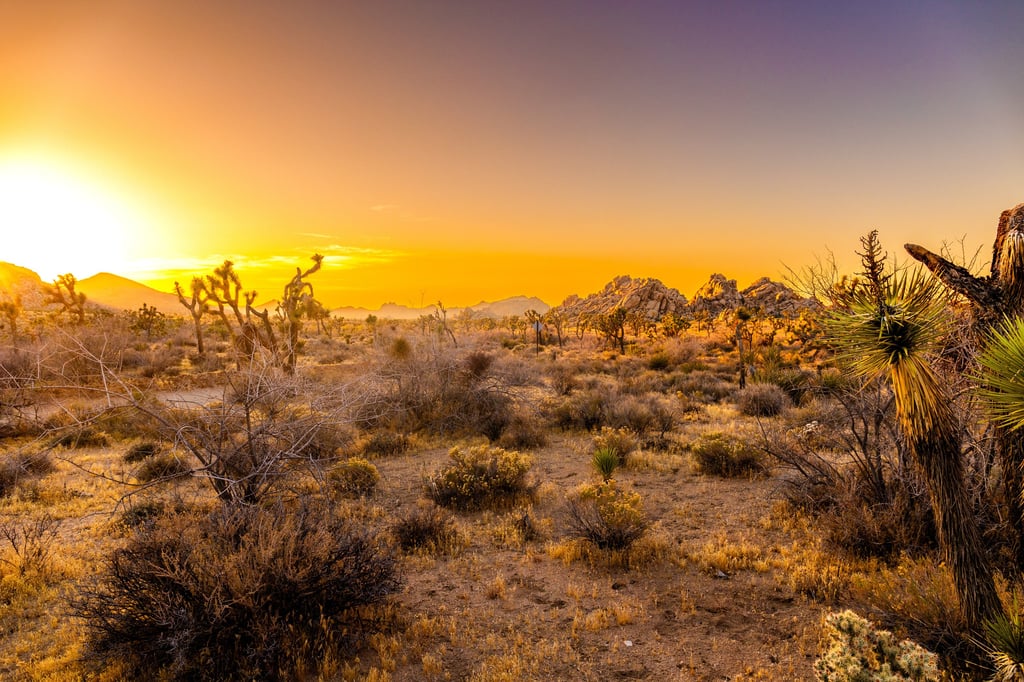
About 25 minutes from the North Entrance is Arch Rock, a rock that looks exactly as it sounds. When I arrived, there were a ton of people at the arch, so it wasn't the most photogenic.
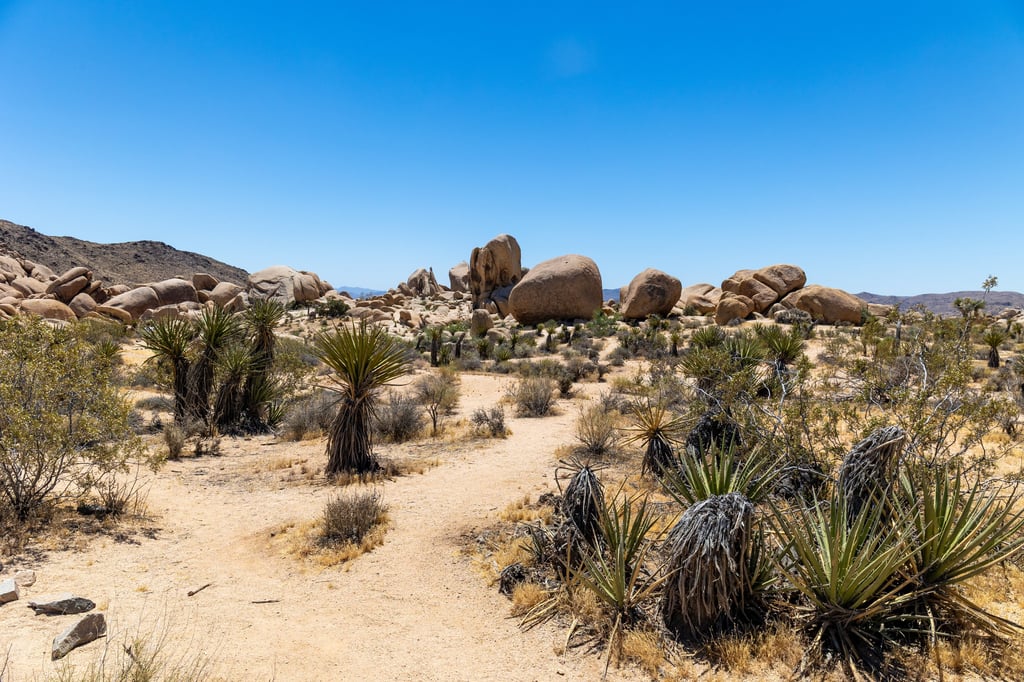
But the surrounding boulders and rocks were stunning, especially with the bright desert sun beaming on them. It was only a short 15 minute hike into the site.
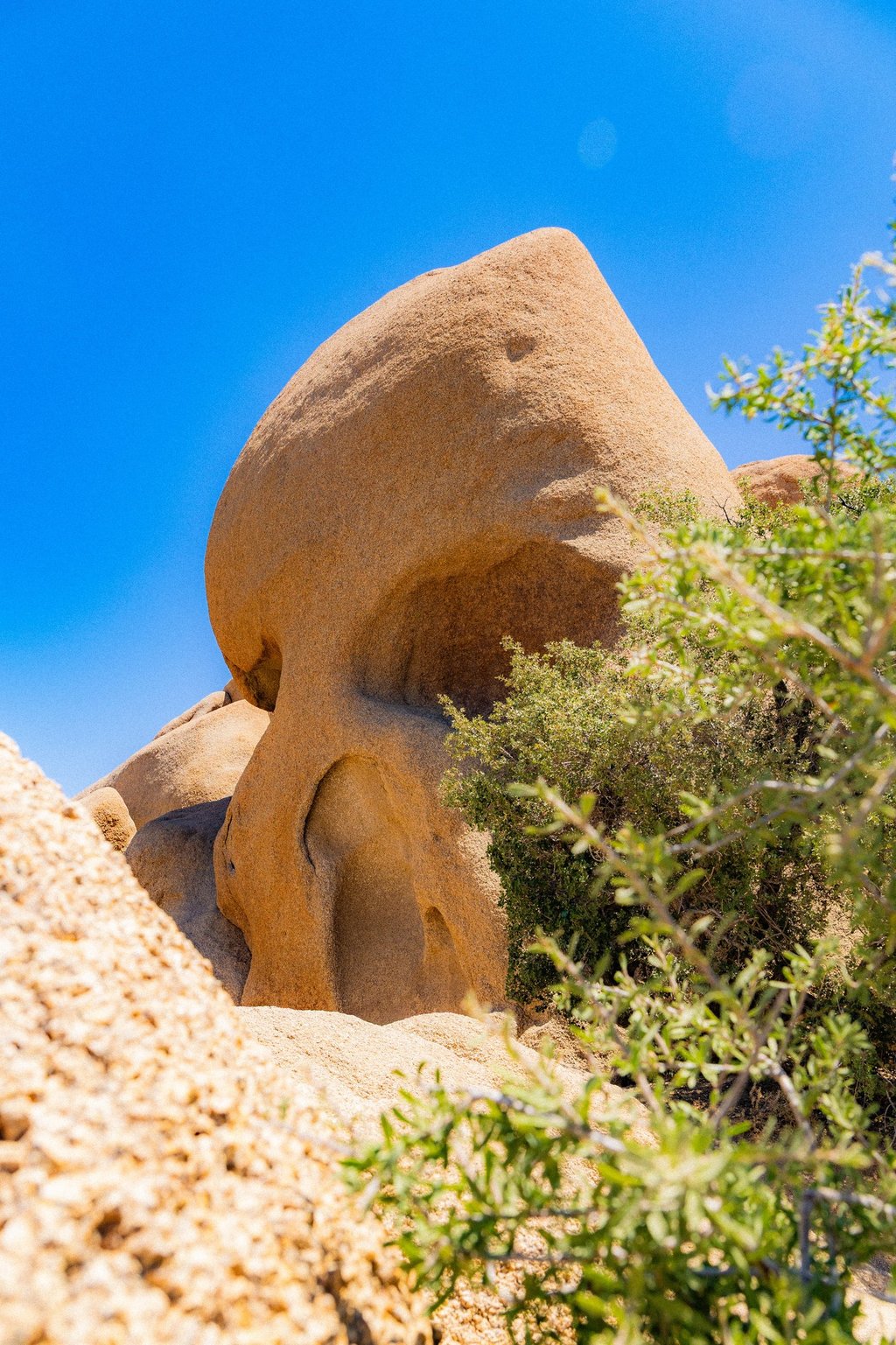
Located right off the road is Skull Rock, again a pretty self-explanatory spot. This one was super convenient and a nice stop for a quick photo.
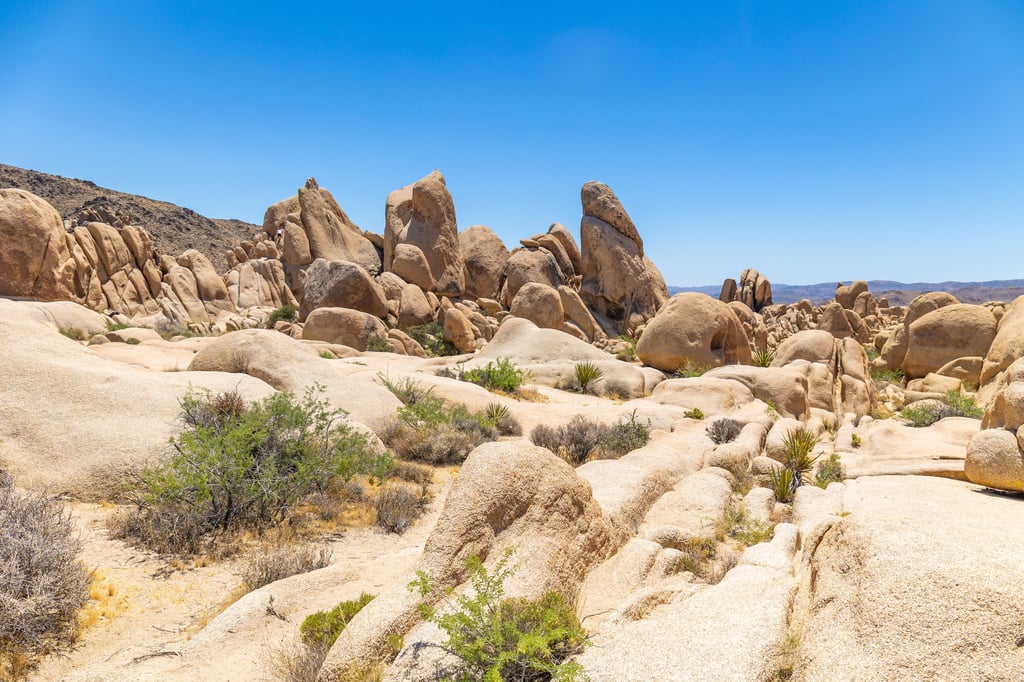
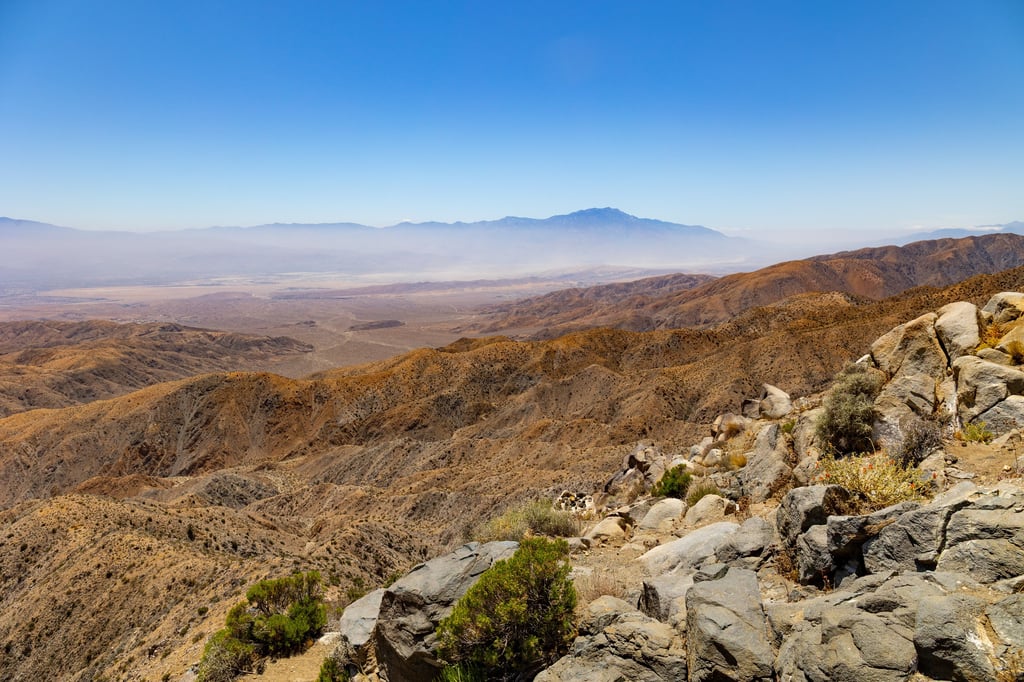
During the day, the sun is super bright and creates this light haze over the valley, but I'd imagine sunset and softer lighting would really make this one of the most scenic spots in the entire park.
Keys view offers vast views of Coachella Valley, and is also the highest point in the park.
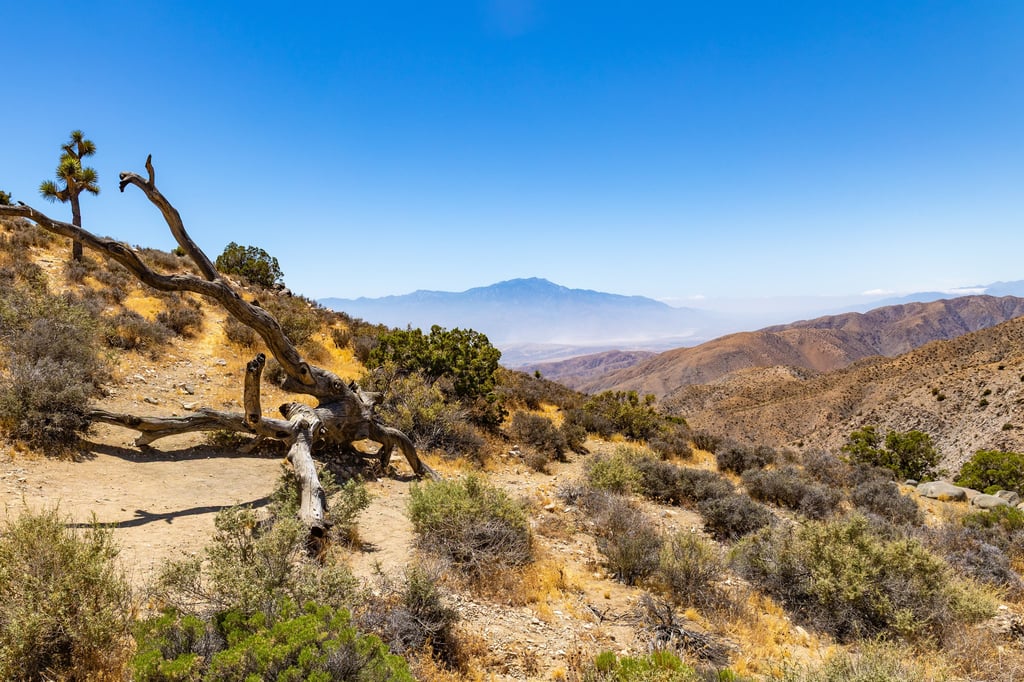
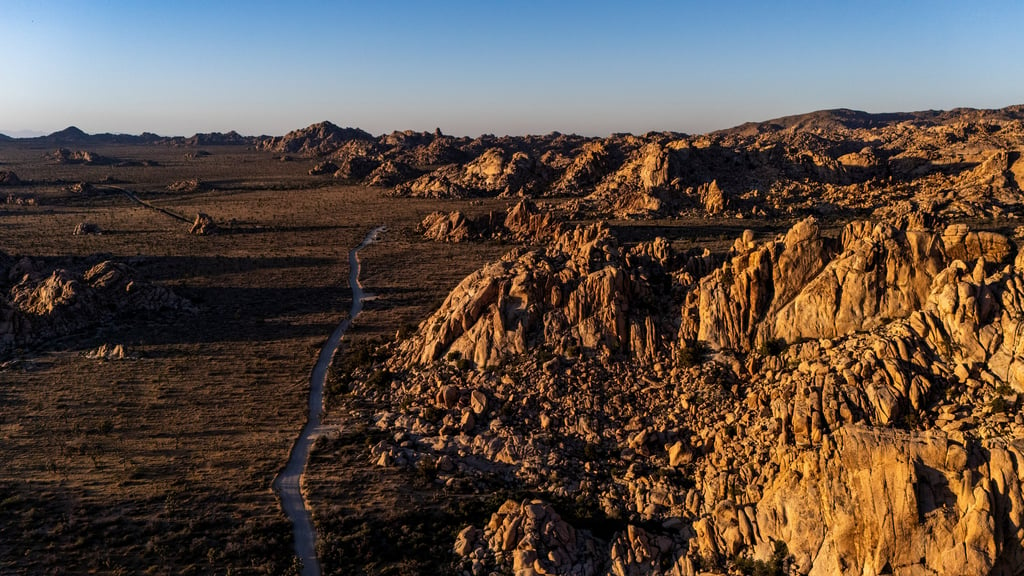
This is probably the most beautiful part of the park, offering the most concentrated and largest boulders yet. During sunset, the light hits the granite peaks with the most golden color I've ever seen, and offers some of the most dynamic photos I've ever taken.
How to Get There:
Why Joshua Tree?
Staying in Joshua Tree:
Main things to do:
Keys View:
Hidden Valley:
There are 5 main stops you need to make in Joshua Tree, and some are especially beautiful at different times of the day. The order I would recommend would be Arch Rock, Skull Rock, Keys View, Hidden Valley, and Cholla Cactus Garden.
Arch Rock:
Skull Rock:
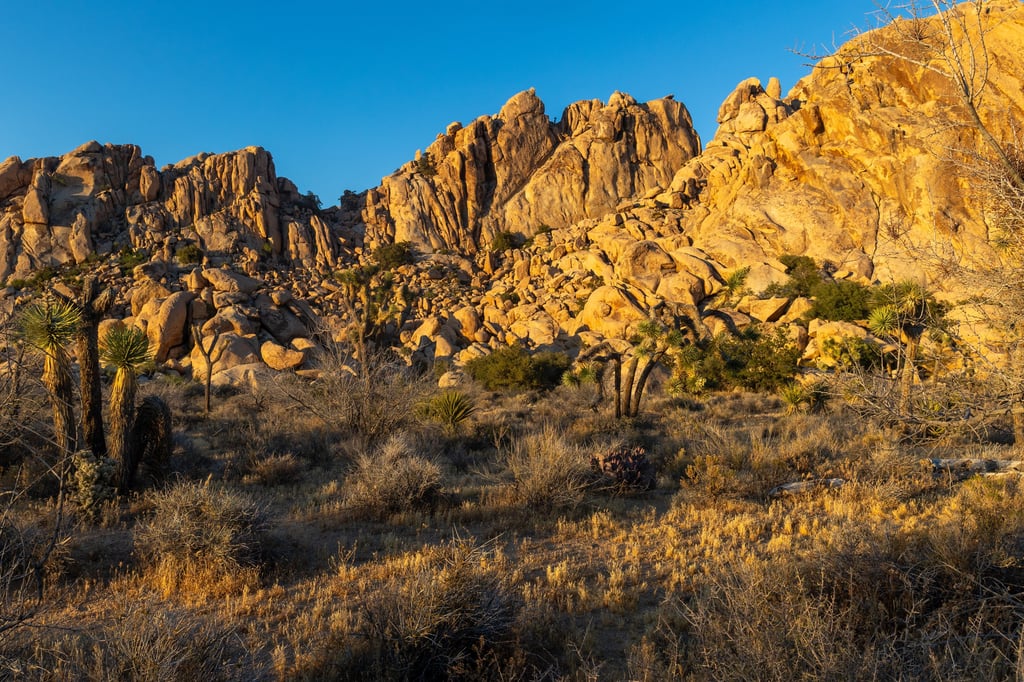
This is definitely a place you have to see, and also the best sunset spot in the entire park.
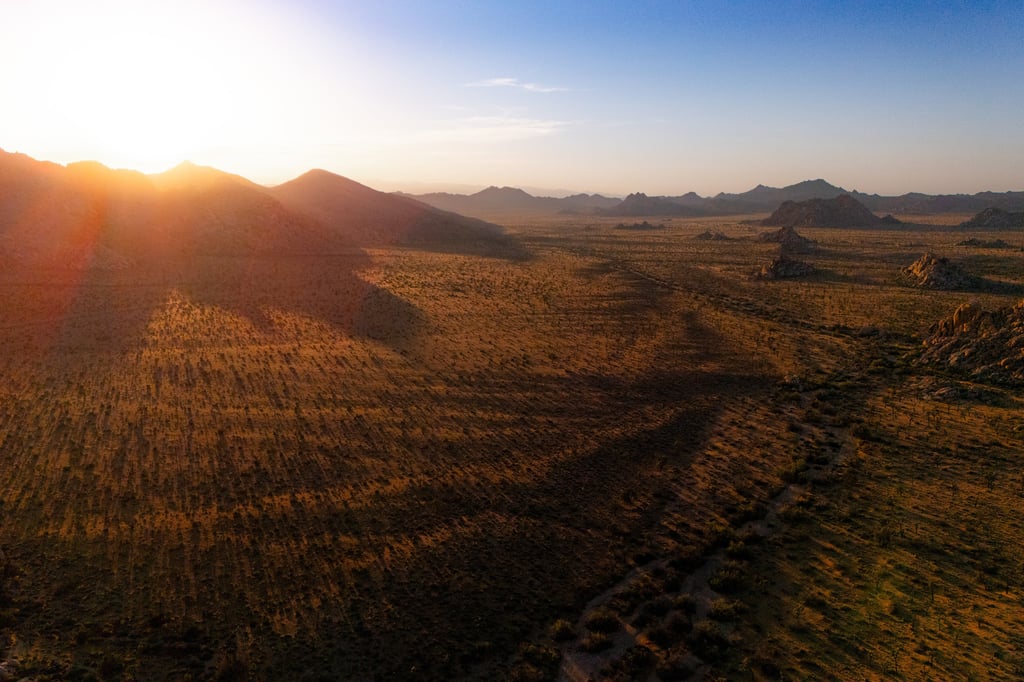
The trees in this section of the park are also some of the largest, and they offer incredible compositions facing westward. I saw multiple photography groups that were scouting this area, so if that's your focus, Hidden Valley is the place to be.
Cholla Cactus Garden:
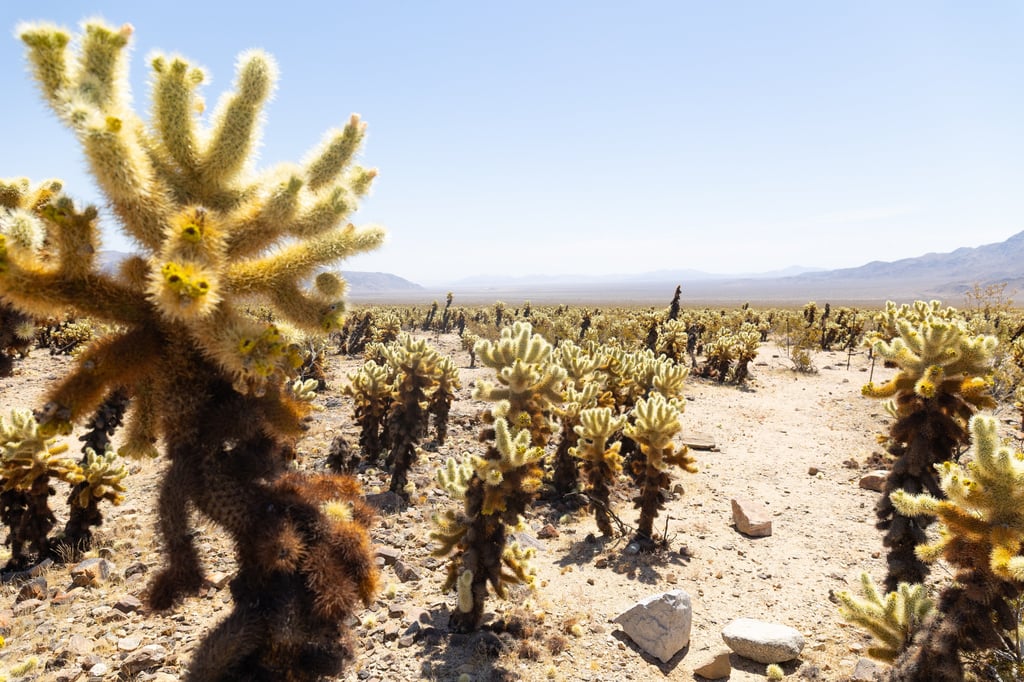
The Cholla Cactus Garden is pretty far from the rest of the park, about 40 minutes south of the Hidden Valley area. This distance actually reflects a complete shift in agriculture and fauna, as the signature yucca-trees are nowhere to be found, replaced by prickly lightly shaded cactus for as far as the eye can see.
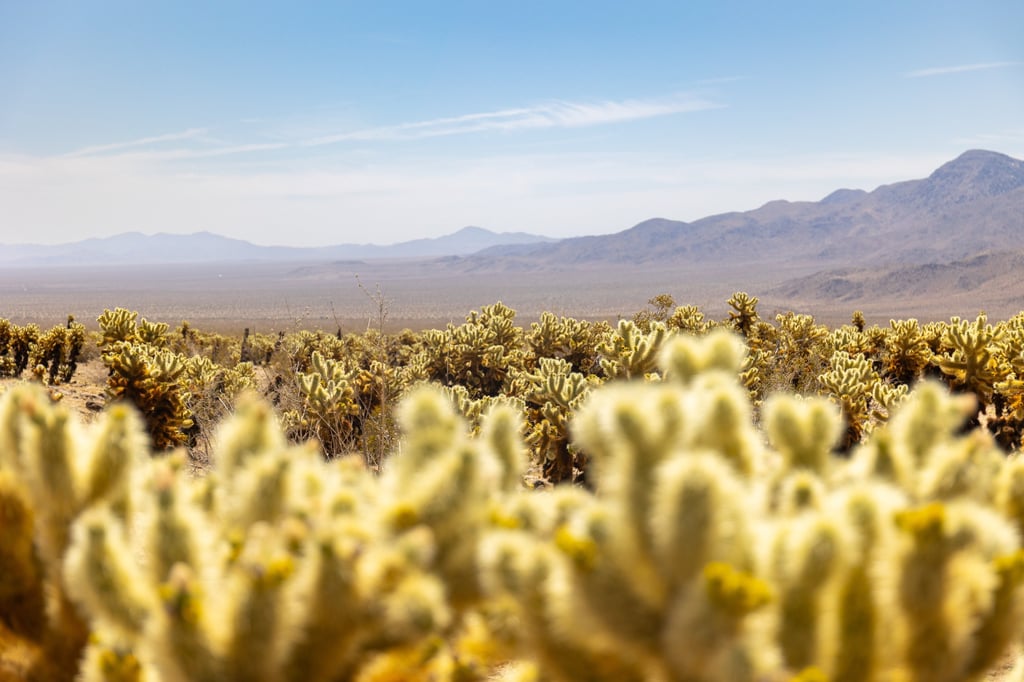
I was stargazing the night before, so I wasn't able to wake up to see this place at sunrise. However, the park rangers said this was the best spot, since the glow of the sunrise would reflect upon the cactus, highlighting the colors of the Cholla.
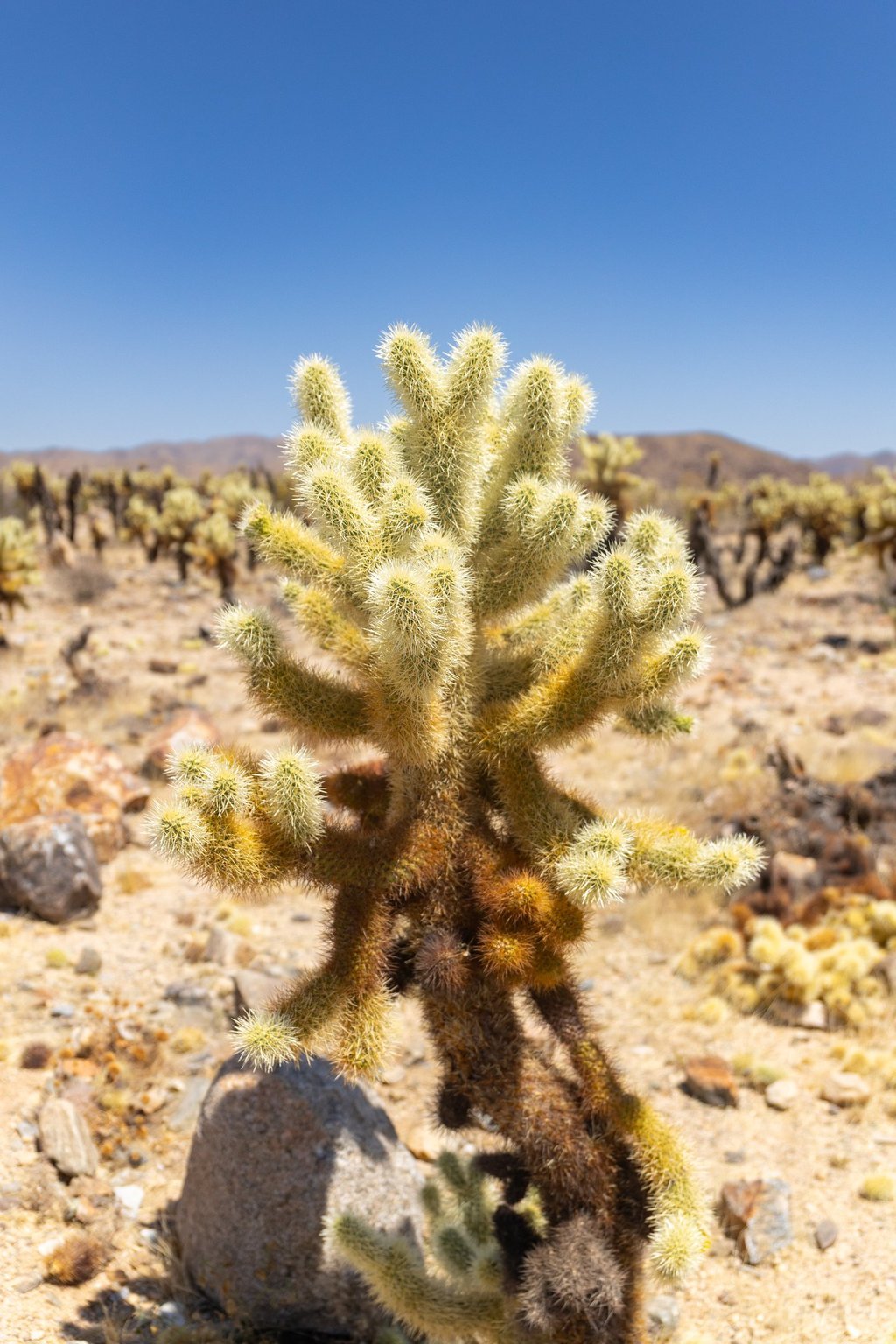
Make sure to watch your step, as these cactuses are unsuspecting and prolific at the tourist site.
Stargazing:
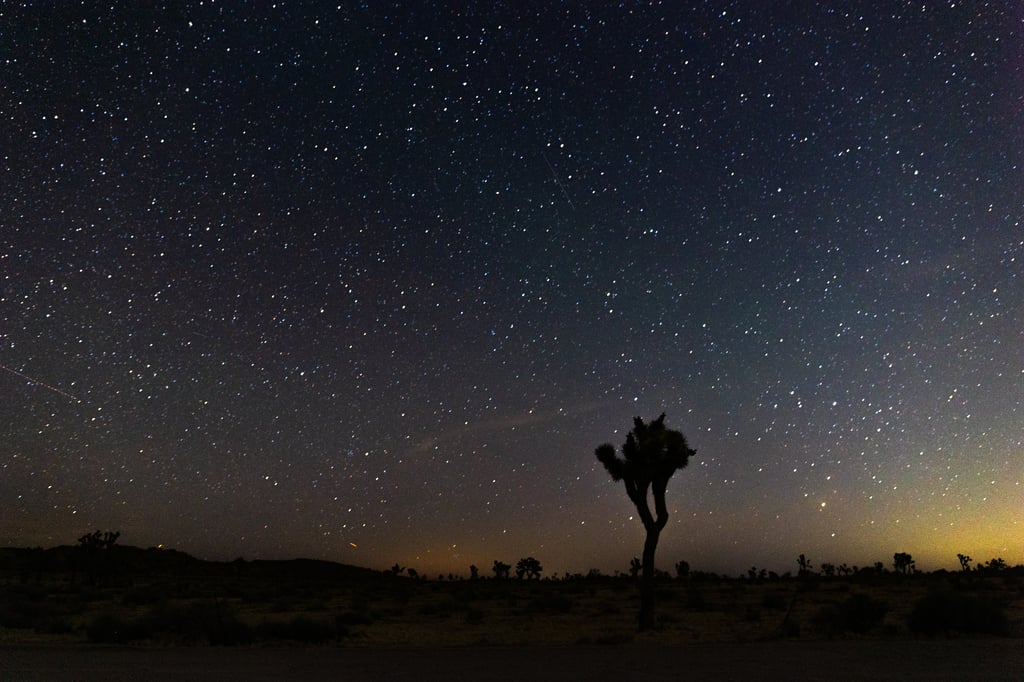
I went to two spots to stargaze, one close to the Hidden Valley site and another on the way down towards the Southern Entrance. The Hidden Valley area is a bit more effected by light pollution, but offers some interesting compositions with the yucca-trees in the foreground.
The darker, more brighter skies were found in the southern part of the park, where I was able to capture a bit more detail, while being more vivid to the naked eye.
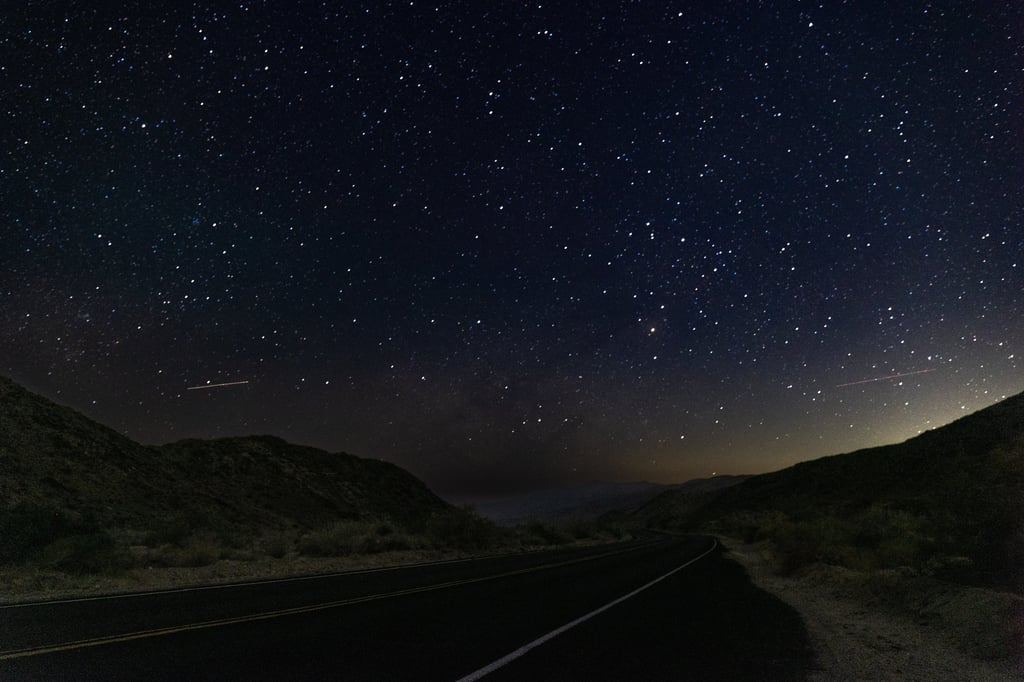
Make sure to bring a tripod or a stabilizer to capture the night sky, as it really is an unforgettable experience in the park.

Final Thoughts: