The Nation's Capital: A Traveler's Cairo Guide
How to get there, best places to see, & more

The Nation's Capital: A Traveler's Cairo Guide
How to get there, best places to see, & more


By Raphael M., a travel photographer and writer based out of New York City
Last Updated on July 16th, 2026
Amidst the chaos, Cairo is filled with honking cars, thousands of mosques, and streets filled with vendors. Cairo leaves a mark on all its visitors, a true travelers experience.
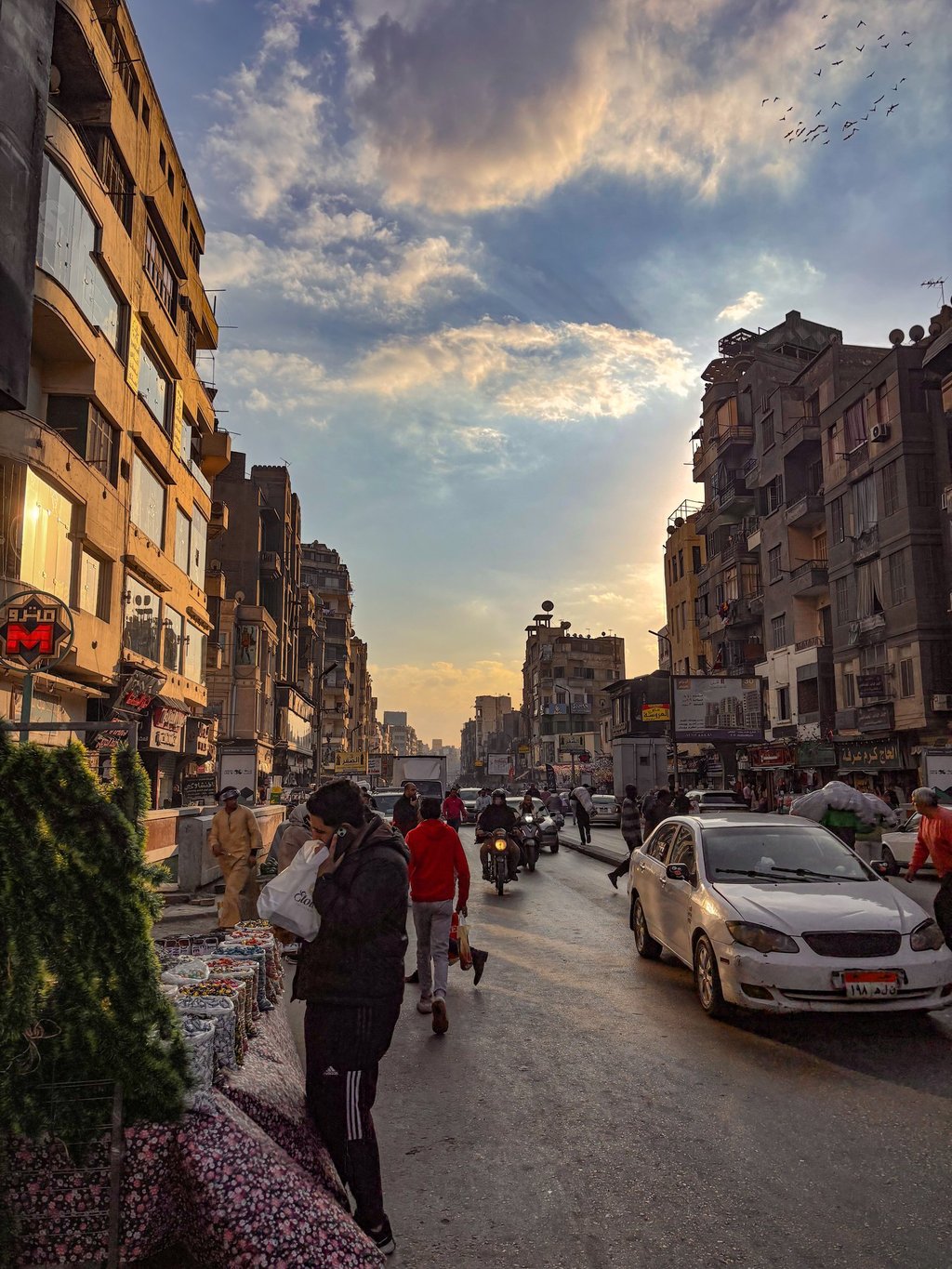
Cairo is one of the largest and densest cities in the world. 25 million people call Cairo home, with its densest sections holding almost 52,000 people within 6 square kilometers. The cars, street vendors, and community truly create an environment and pace unmatched to any place I've been, and as a visitor, it definitely hits you right out the airport.
Cairo International Airport is the only airport located within the city, about 15 kilometers from the center. I connected to Egypt from Dubai, where they were running direct flights. I do think Egypt has direct flights from most major cities, especially European ones. If not, you're most likely going to get a transfer in either Dubai or another African nation, like Morocco or Ethiopia.
A tip about getting from the airport to the city center: I chose to take an official airport taxi, which cost me around 30 USD. Everyone in Egypt prefers to take USD over Egyptian Pound because of the volatility of local currency, so cash really is king. While there are 'official' options like Careem or Uber, none of the drivers for these apps actually drive you for that price, extorting you for more when you get into the car, or refusing to drive you.
I would recommend staying within the heavily touristy areas to ensure adequate stores, shops, and people are around. Make sure to book a decent hotel with good reviews, as the standards of hotels is not as high as other countries I've visited. I stayed in Downtown Cairo, and while it wasn't the best experience, I don't think I have enough experience to recommend specific districts that would be any better.
There are also no established rideshare options in Cairo. While there are meters in the cars and apps like Careem and Uber, drivers always negotiate the rate beforehand, and often-times ask for more midway through the trip. I have heard horror stories within 3 days of traveling in the country (drivers locking the doors, pointing weaponry, etc). While I did get lucky and found a few drivers that obliged by the system and were extremely kind, many (and I mean many) were not. While this is often the last resort, just exercise caution.
I would recommend 4 main things to do in Cairo: The Great Pyramids of Giza and the Sphinx, The Grand Egyptian Museum, the Khan-El Khalili Market, and to visit a mosque.
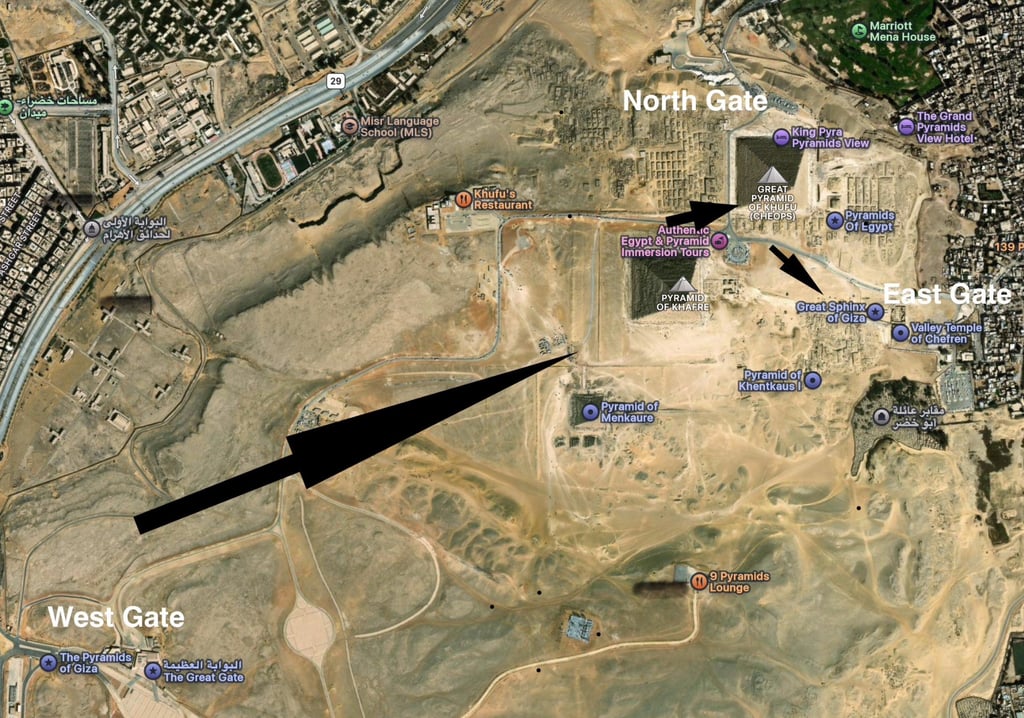
There are three entrances to the complex: The West Gate (The Great Gate), the North Gate, and the East Gate. The North Gate is the most popular due to its proximity to Cairo, but I'd advise against it because of the large crowds. The East Gate is a bit better, and is right in front of the Sphinx. I chose the West Gate, as its farther distance from the actual pyramids makes for fewer crowds and is convenient with buses running back and forth.
I personally didn't go into any of the pyramids, as the admission fees were really high, and there isn't much to see inside. Combined with the tight quarters and never-ending queues, I think the video walkthroughs offer more value than actually going in yourself.
How to get there:
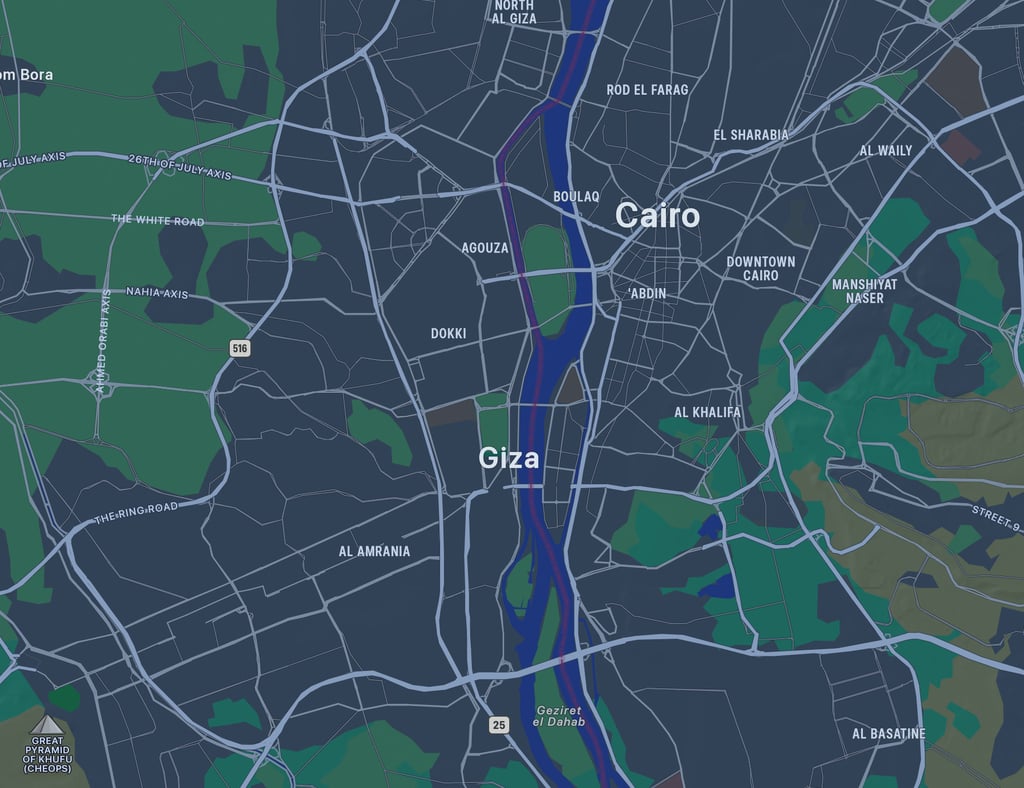
Cairo is split into two sections, divided by the Nile River. There's Cairo, which is on the right side of the Nile, and Giza, on the left. In Cairo, you are closer to more attractions in the city, and where I chose to stay. Giza is closer to the Pyramids themselves, but more distant from the other attractions.
Walkability isn't terrible in the city, as many of the attractions are all within 15-30 minutes of each other by foot. However, be cognizant that street-sellers are very intense, and if you clearly look out of place, you will be targeted.
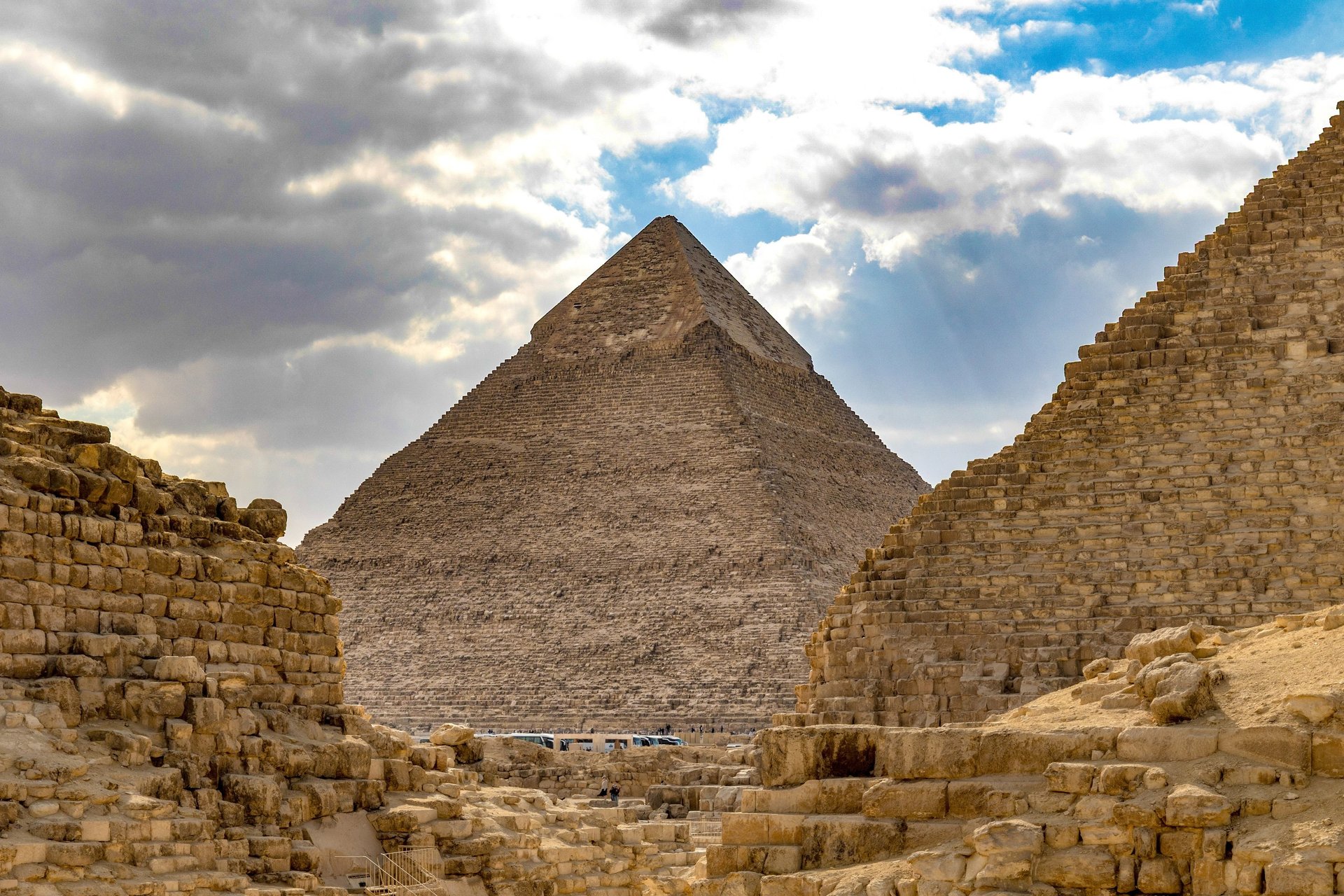
You really get to appreciate the sheer scale and engineering mastery of the Ancient Egyptians; this truly is a bucket-list spot.
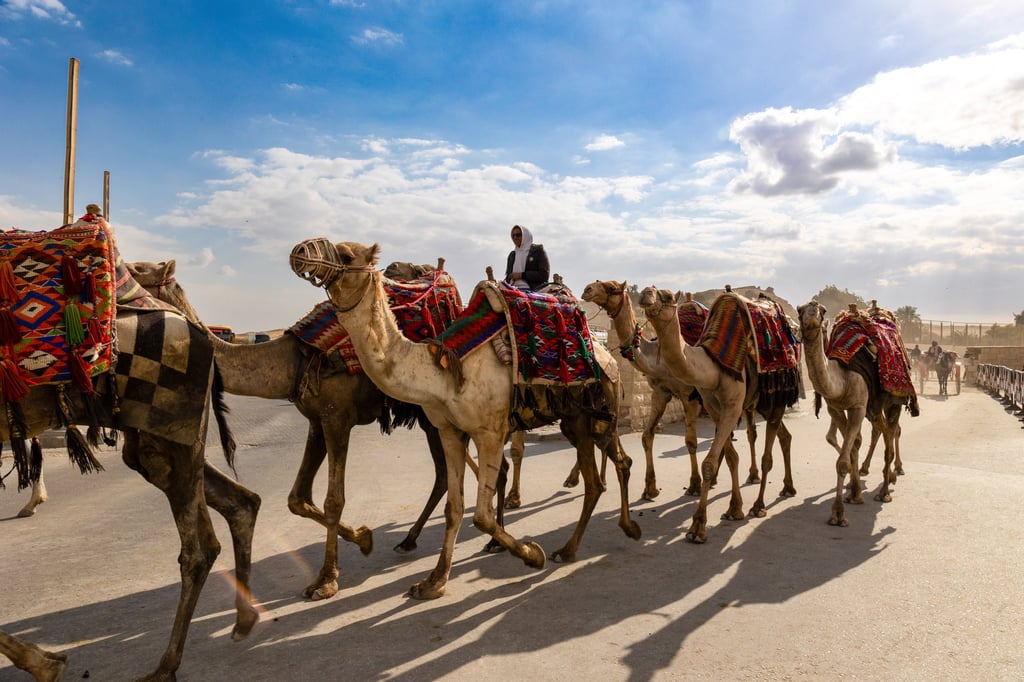
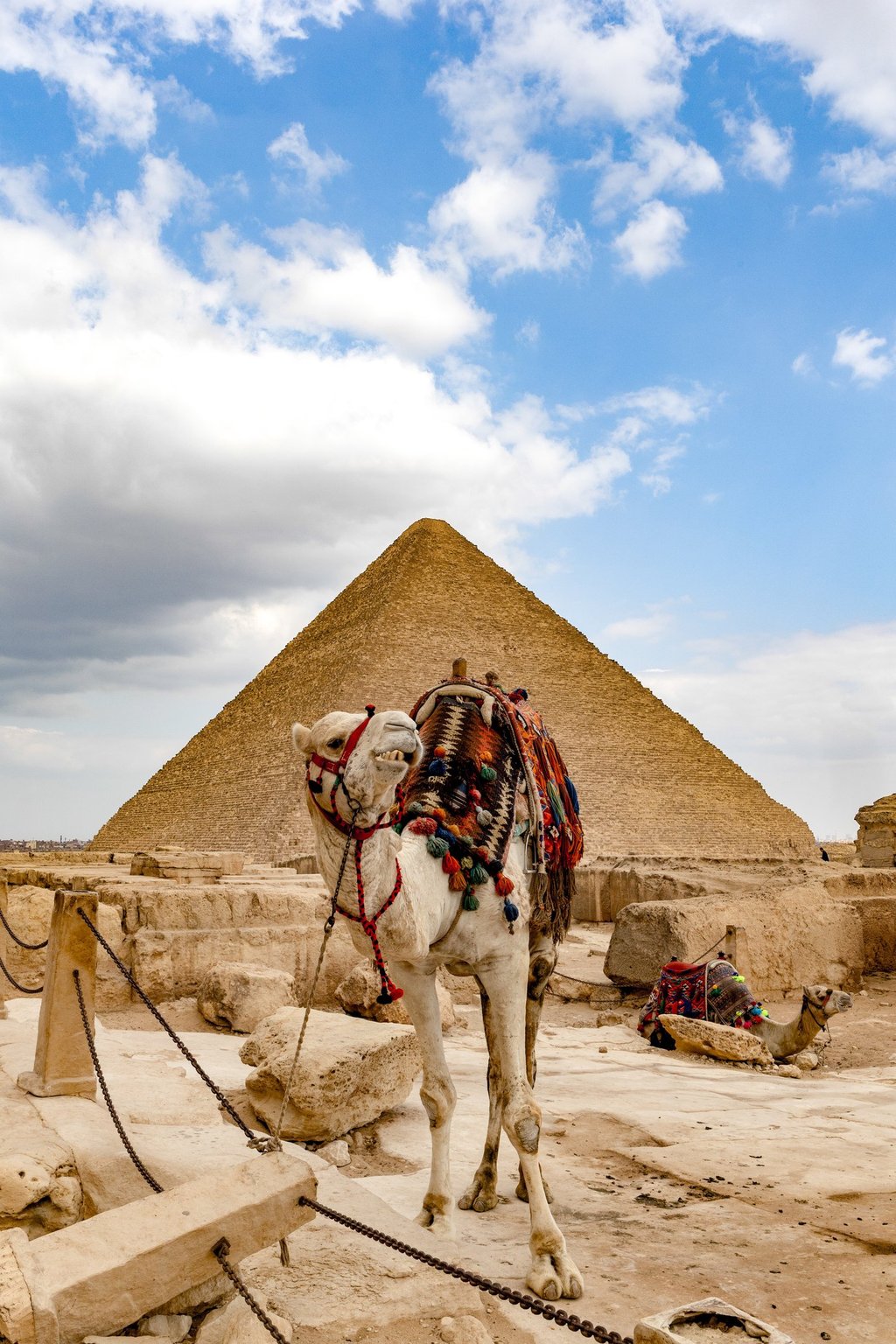
I personally didn't choose to ride a camel, but it does seem to be a much more regulated affair at the pyramids. Many past visitors were complaining of the aggressive salesman or getting scammed, but they weren't too pushy with me, and I can't give anecdotal evidence.
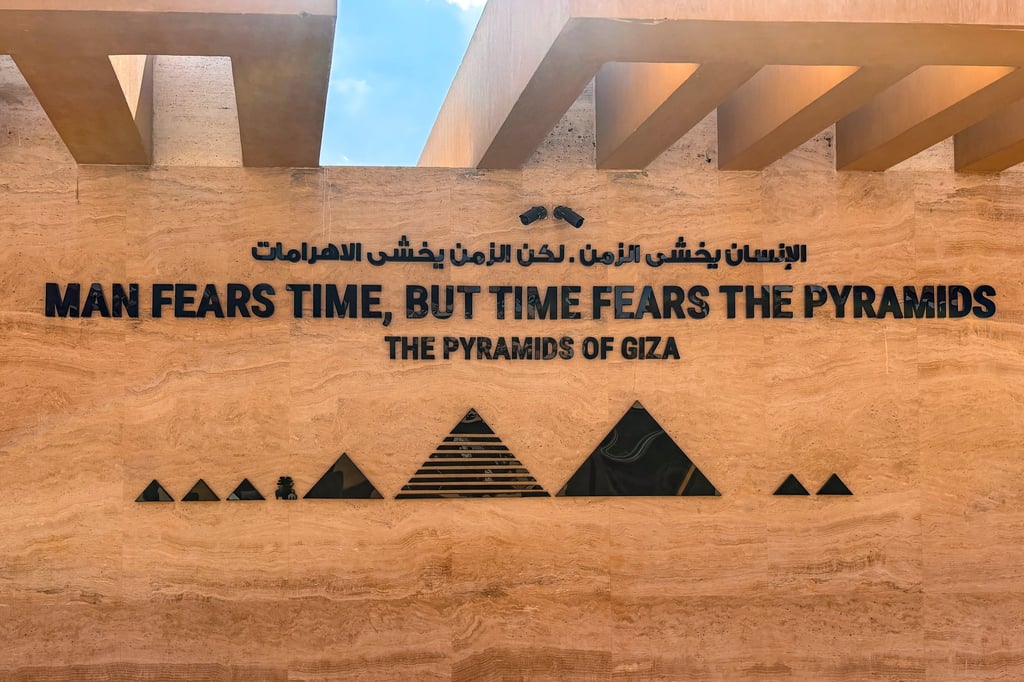
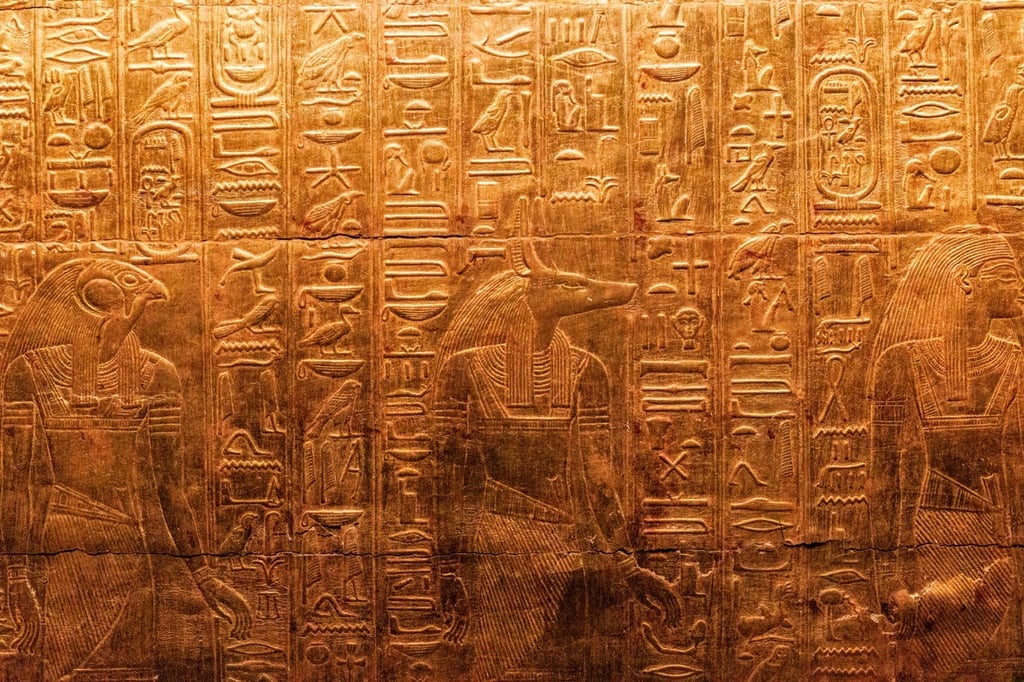
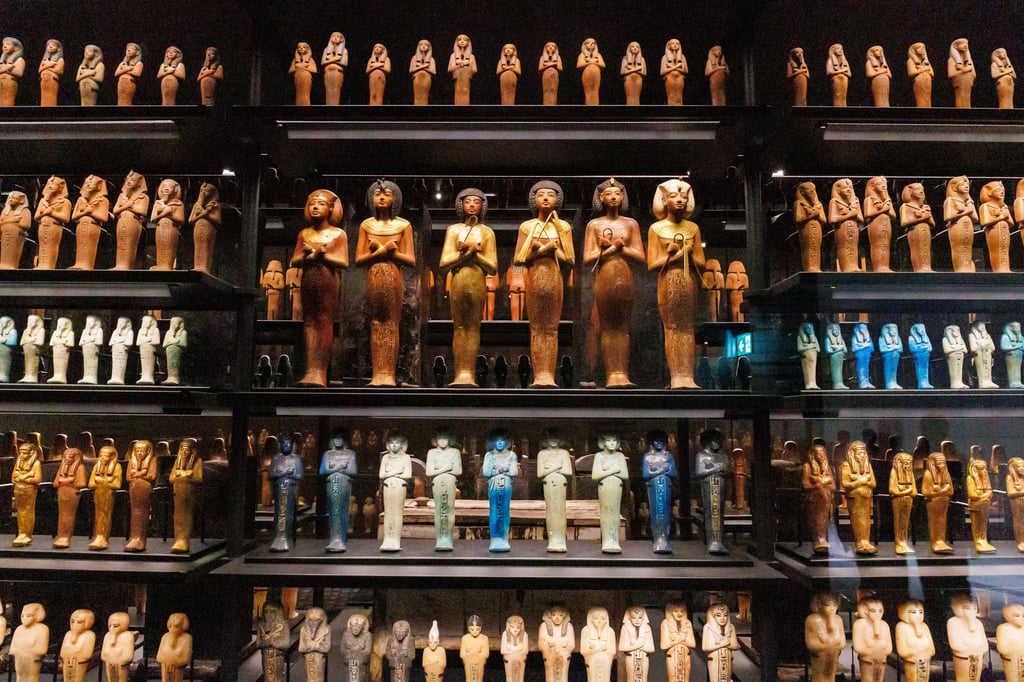
In contrast to the Pyramids, the Grand Egyptian Museum (GEM) was one of the most incredible museums and places I've ever visited. Here, you see the largest display of Egyptian artifacts from across the country, and the extensive collection of King Tutankhamun.
While the sites themselves were awe-inspiring, I personally did not have the best experience at the pyramids, and I'll add an article below further detailing my experience specifically at the pyramids. TLDR: do not give into any tips, stay with a group, and keep to yourself.
Where to stay:
The Grand Egyptian Museum (GEM):
Why Cairo?
Located on the west-side of the city is the Pyramids of Giza and the Grand Egyptian Museum, the most iconic attractions in Egypt, perhaps even in the world. Millions of visitors come each year to see these millennia-old sites for themselves, one of the oldest and greatest remnants of human history.
I'd advise against staying in Giza. I met several other solo travelers who stayed in Giza because of its closer distance, but said there wasn't as much night-life, and they felt isolated (which is something you definitely don't want in Egypt). One person I met even moved to the other side of the city because of safety concerns the night before.
Getting around Cairo:
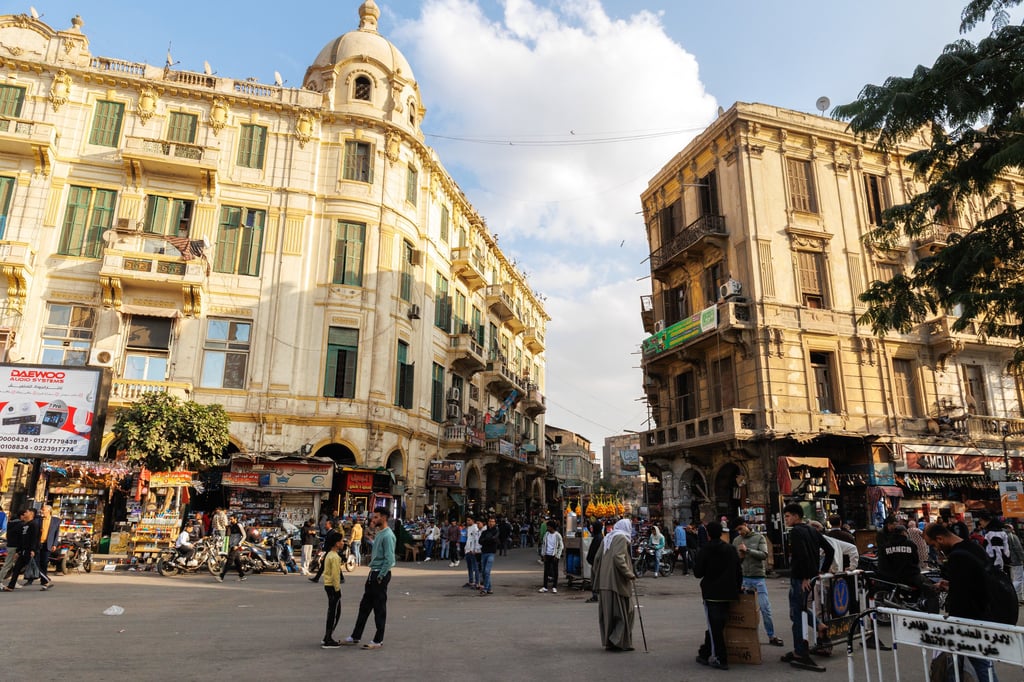
As I touched on before, getting around Cairo is quite a difficult task to navigate. Most countries have mass transit systems, established taxi/rideshare options, or are easily walkable. Cairo has absolutely none of these.
While there is a limited subway and bus system that is in Cairo, they aren't popularly used by tourists most probably because of their limited distances, chaotic organization, and in complete honesty, fear of the system. I would not feel comfortable on a packed train in Cairo with my expensive camera gear, and having had attempted robberies multiple times outside of tight transit spaces, I wouldn't push my luck. There are smaller buses that locals use, but I had no clue of their routes, costs, or if I was even allowed on.
They had listed biographies in English, had tours, and was easily accessible with elevators and escalators. This is one of the greatest museums in the world, up there with the British Museum, the MET, and the Louvre in terms of historical preservation and displays.
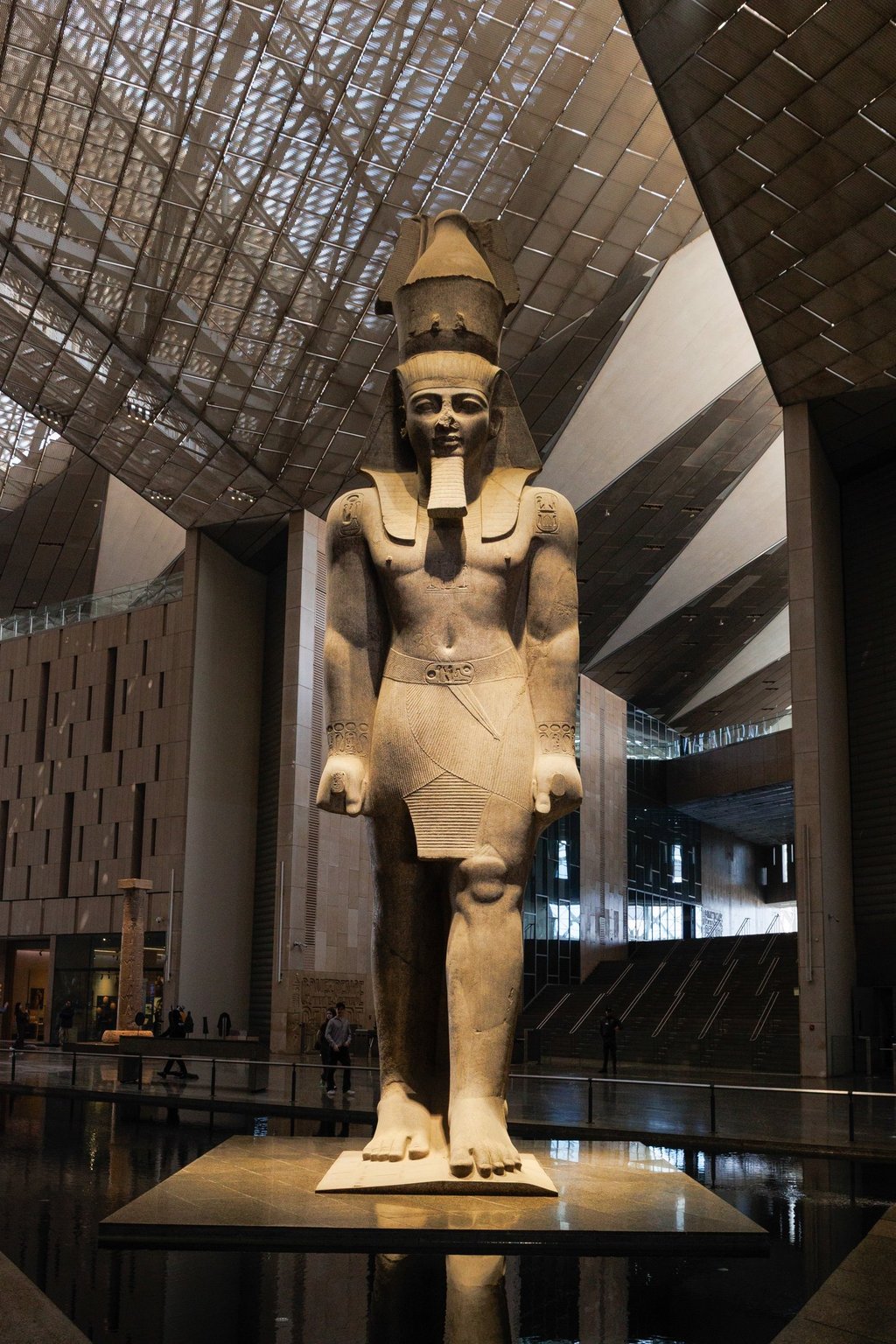
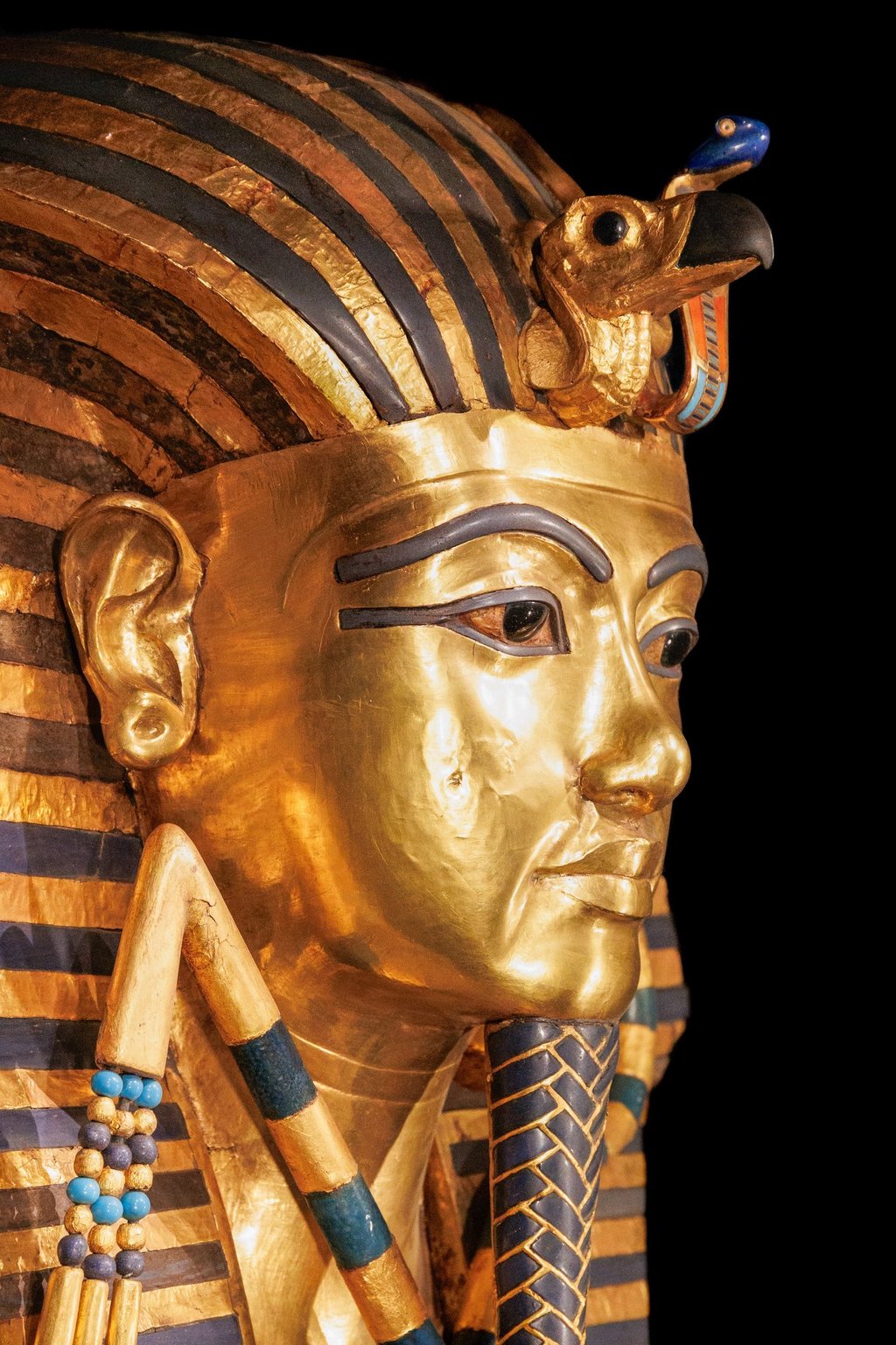
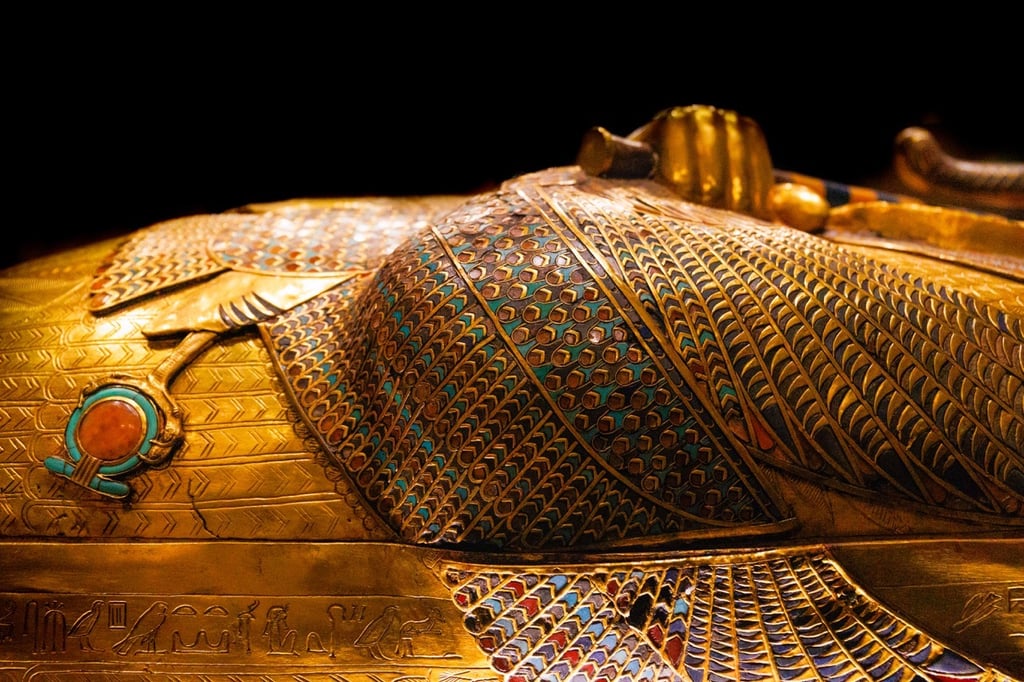
I think the most disappointing experience about the museum is that it shows you the level of tourism Egypt is capable of, one that values the experience visitors have. I truly do hope that the amazing experience the GEM has works its way into the rest of the historical sites across the country.
Khan-El Khalili Market:
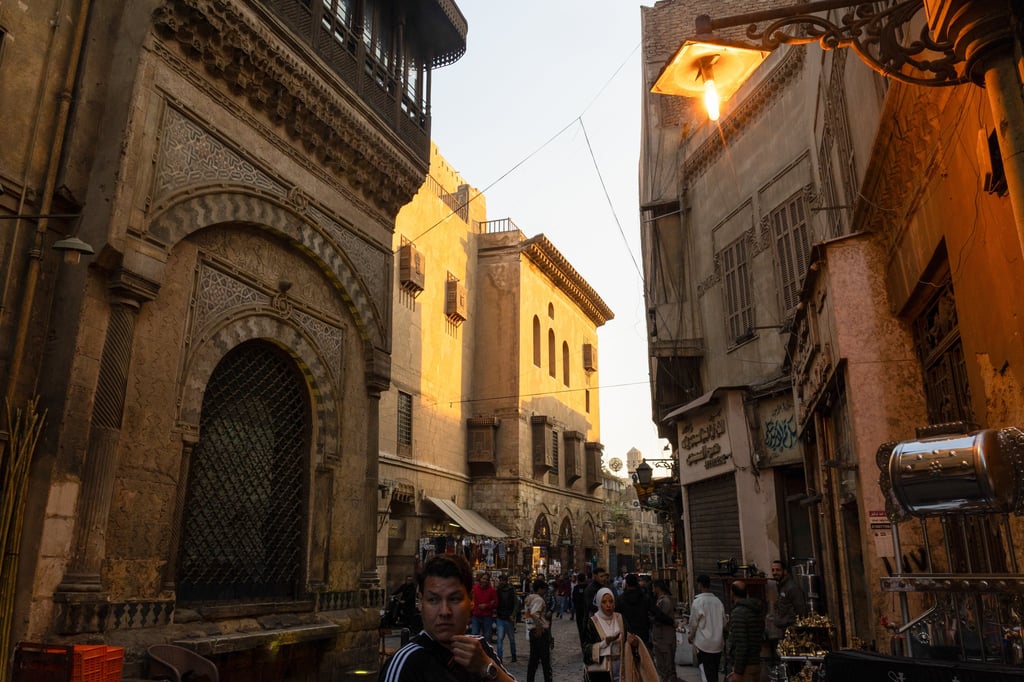
The Khan-El Khalili Market is a 637 year old marketplace that is at the center of the city. While it has turned into a tourist spot, the architecture, energy, and liveliness have not changed one bit. Surrounded by towering mosques, little stalls, and the occasional street cat, this marketplace makes you feel alive.
I visited in the afternoon, and was able to capture some of the fading light that worked beautifully in this marketplace. I was there during Ramadan, and saw the streets lined with communal meals, and was even invited to Iftar from several amazingly generous people.
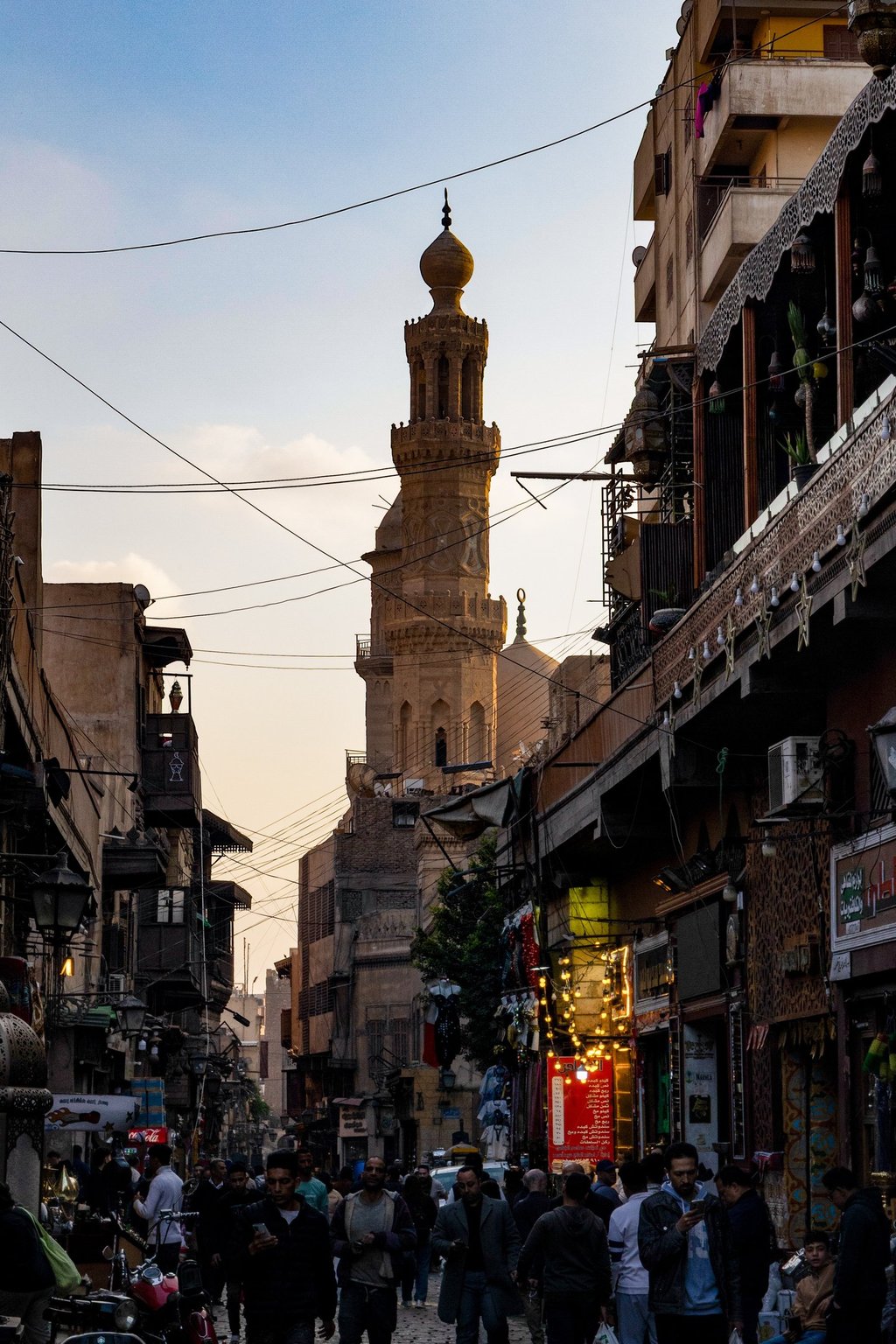
While this wasn't as authentic of a marketplace compared to others I've been to in the country, especially compared to the Souks in Aswan, it was a nice balance of history and present day culture.
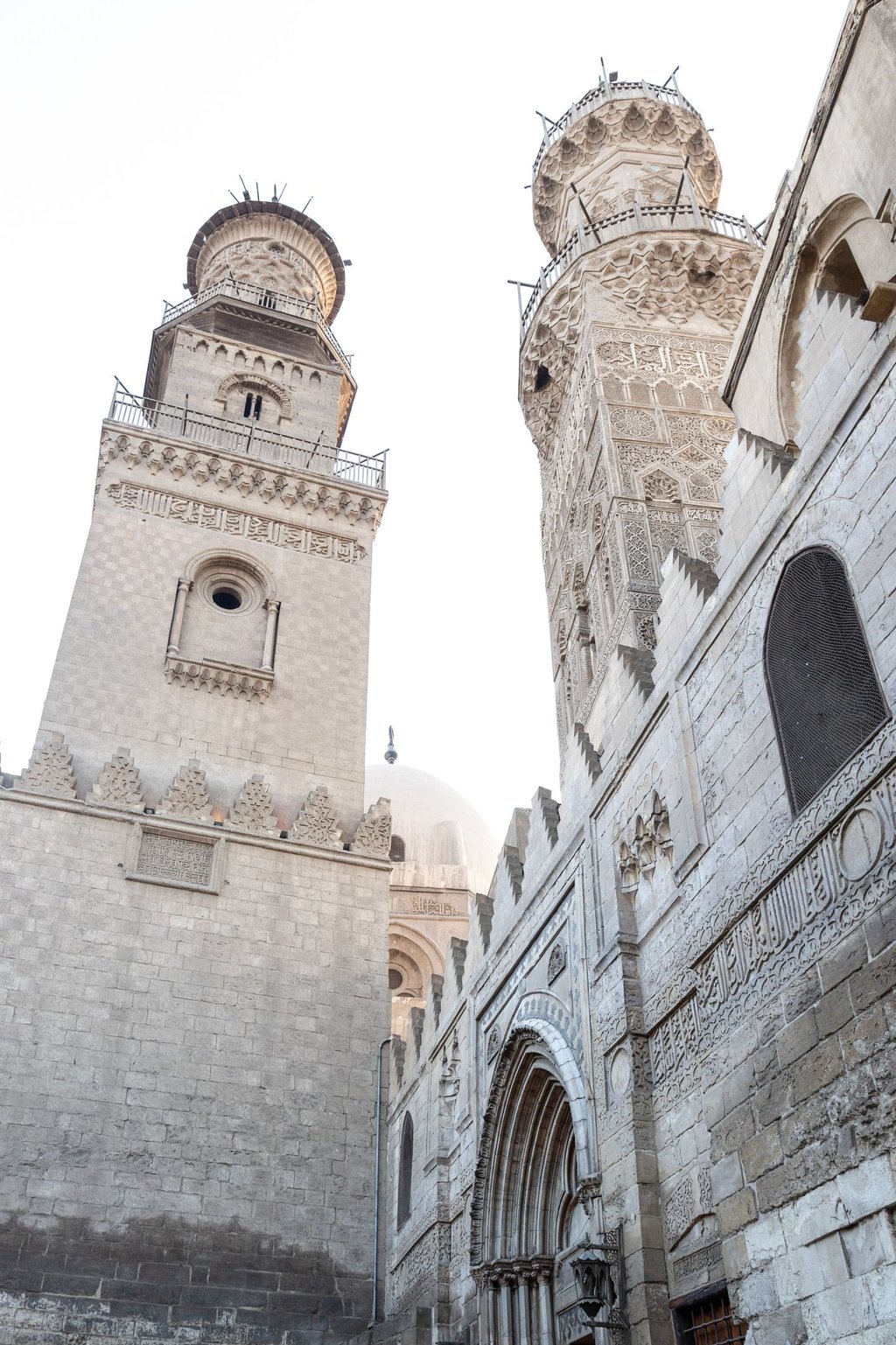
Egypt has thousands of mosques, so much so that its commonly known as the City of a Thousands Minarets (the towers built outside or adjacent to a mosque). You can feel this, especially during Ramadan where people are in a constant cycle of prayer, work, and fasting. I invite you to visit a mosque, preferably not a touristy one. There are plenty in areas like the Khan-El Khalili Market, which is where I visited my first mosque, but valued the experience of some of the smaller, more real places of worship.
Final Thoughts:
There are several factors that stop me from ever visiting Cairo or Egypt ever again, or until things change. However, in all honesty, I take this stance more easily because I have experienced it, something I've learned to value. I actually think I experienced a way, way worse experience than most others, things that don't normally happen but just so happened to me.
I will start by saying that Cairo is NOT a vacation destination. This is not a place you come to relax or decompress, and will be an experience that requires constant stress and back-and-forth. Cairo will test you, one of the best and worst qualities of the city.
My best recommendation would be to arrange a driver beforehand, preferably with a your accommodation. No matter the size of group, I've found that the overwhelming majority of taxi drivers try their best to scam you, especially if you blatantly look like a tourist.
Scams are literally all around Egypt, and it is impossible to traverse the country without paying a 'tourist tax.' My best recommendation would be to find a private driver/guide to manage your transport. I would normally not advise something like this, but I think it's the best balance of convenience and safety to allow you to fully enjoy the city and what it has to offer. I'd find this through either online platforms or your accommodation.
Things to do:
The Great Pyramids of Giza:
The Pyramids are located roughly 10 miles, but the traffic can largely influence how long it actually takes to get there. I left around 9:30am and it took about an hour to get there, as traffic was especially jammed up. I imagine if you leave closer to noon or later, it would be even worse. I'd allocate at least 45 minutes just to get there.
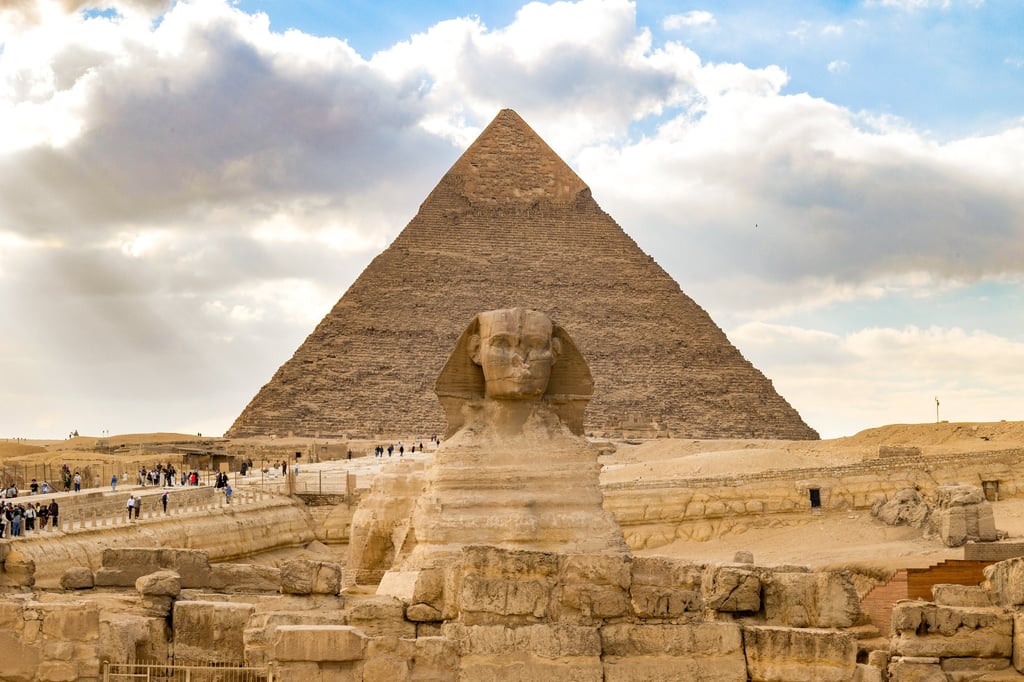
There are three main sites: The Pyramid of Khufu, the Pyramid of Khafre, and the Sphinx. There are several smaller pyramids and complexes, but they aren't as interesting and are covered in 'guards' that constantly ask for tips to enter.
I would advise you start at the Khafre, walk to Khufu, and then end at the Sphinx. There is quite literally nothing that prepares you the first time you see the pyramids in person.
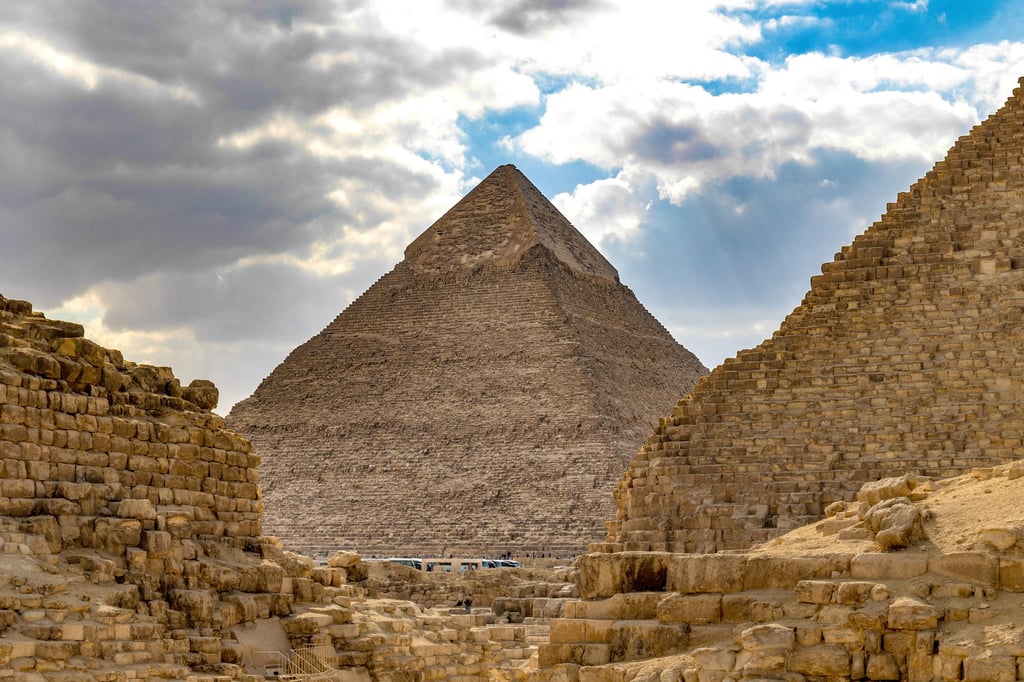
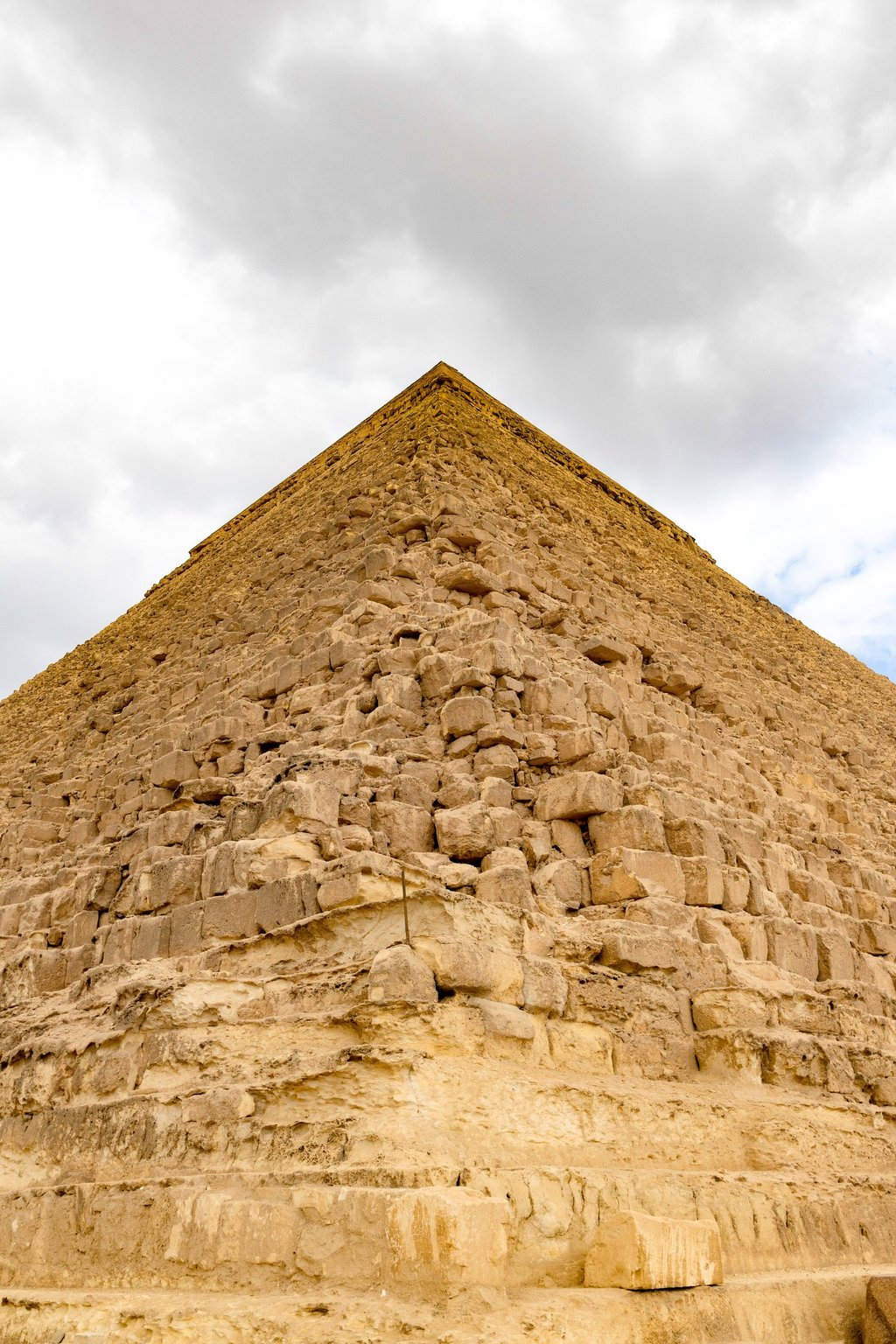
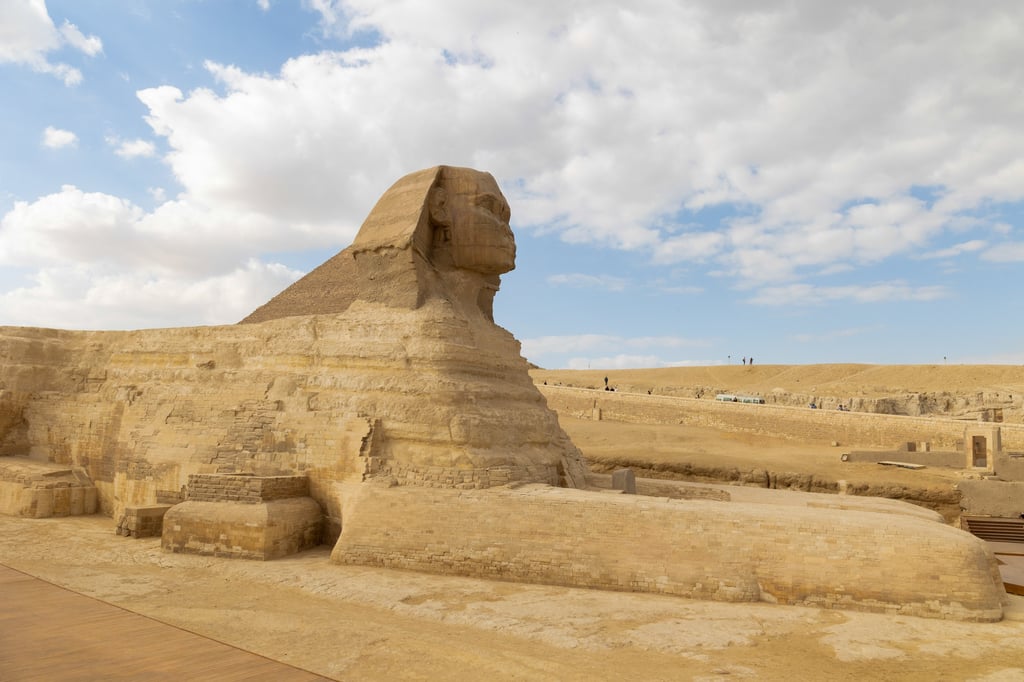
The Sphinx is also surreal to see in person. The proportions of the Sphinx are really apparent when you're there, and does make you wonder what the 'original' head may have been.
Mosques: